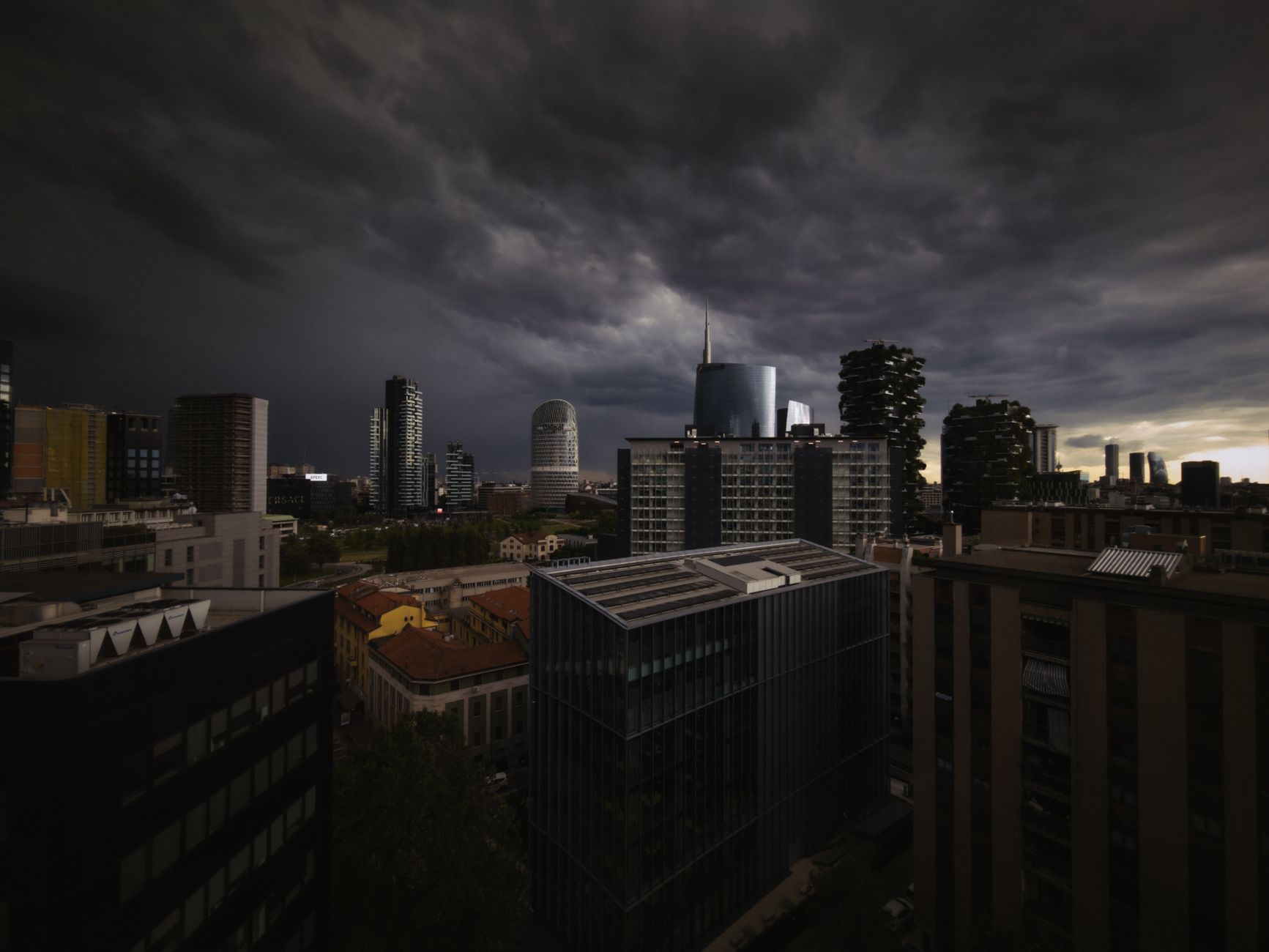
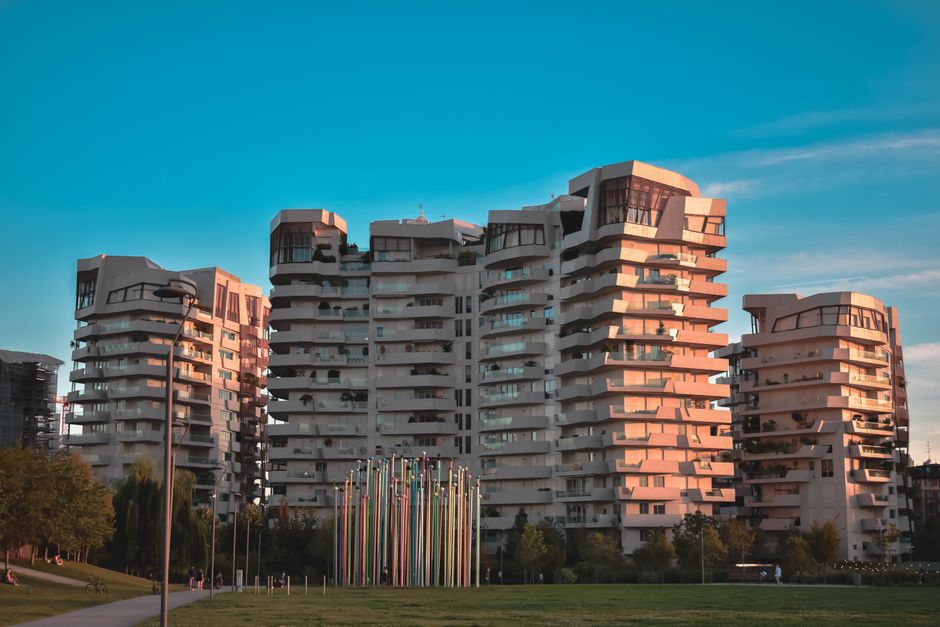
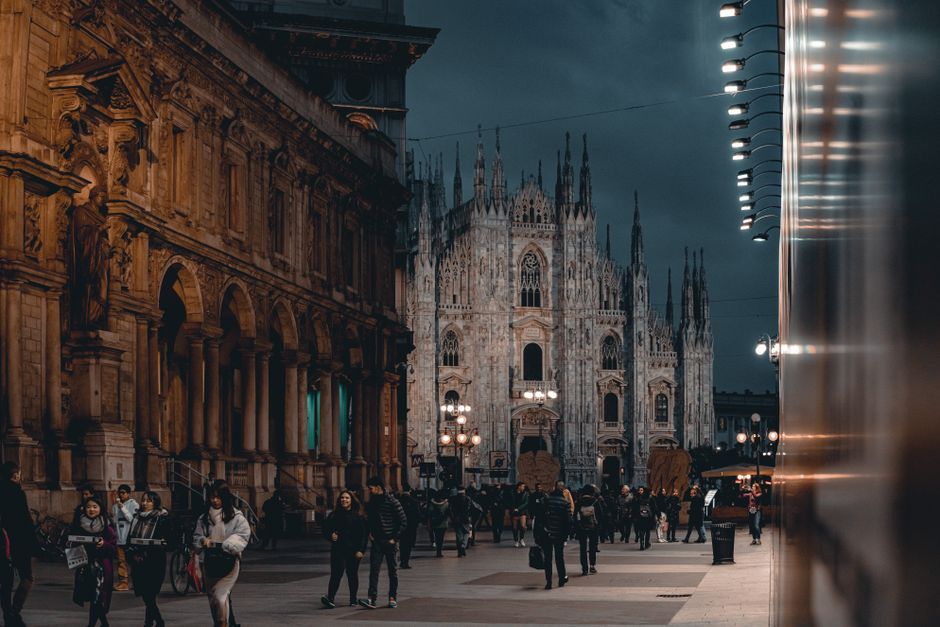
Walk through the Porta Venezia district today and you'll encounter a Milan fundamentally different from the city of the 1990s. The neighbourhood, once primarily Italian working-class, now hosts communities from across Africa, South Asia, and the Middle East. This transformation didn't happen overnight—it reflects three decades of interconnected global forces that have made Milan a barometer for European migration patterns.
The first wave arrived during Milan's industrial expansion of the 1990s and early 2000s. Manufacturing plants in the Hinterland—from furniture factories in Brianza to textile workshops in the northern suburbs—actively recruited workers from North Africa and Eastern Europe. The employment agencies clustered around Via Torino and Piazza della Repubblica processed thousands annually. By 2005, Milan's foreign-born population had reached approximately 8 per cent.
But the 2008 financial crisis marked a turning point. As Italian manufacturing contracted, migration patterns shifted from economic migrants seeking factory work to asylum seekers and displaced persons fleeing political instability. The wars in Iraq and Syria, the 2011 Libyan intervention, and subsequent regional collapse created refugee flows that reshaped Milan's role. The city's Centrale Stazione became not just a transport hub but a processing point for people in transit across Europe.
The past five years have intensified this transformation. NGOs operating from spaces like the Giambellino neighbourhood and community centres in Navigli have documented increasing arrivals from sub-Saharan Africa, many transiting through routes via Libya and across the Mediterranean. Meanwhile, geopolitical instability in Afghanistan and Pakistan—compounded by recent regional tensions—has created new migratory pressures.
Today, Milan's foreign-born population stands at roughly 19 per cent, with the largest communities from the Philippines, Egypt, China, and Peru. Housing costs in accessible neighbourhoods like Lambrate and Porta Romana—where average rents exceed €900 monthly for modest apartments—create pressure on integration infrastructure. Local social services report increasing demand for language programmes and employment training.
Understanding Milan's migration story requires understanding the forces behind it: industrial globalisation, Middle Eastern conflicts, sub-Saharan poverty and instability, and European asylum policy decisions. The city hasn't simply received migrants—it has absorbed waves shaped by international economics and geopolitics. Recent developments in Venezuela, Democratic Republic of Congo, and ongoing Middle Eastern tensions suggest this pattern will continue. Milan's streets tell a story not of isolated migration crises, but of interconnected global systems reshaping European cities in real time.
This article was compiled by AI from the sources linked above and screened before publishing. See our editorial standards.