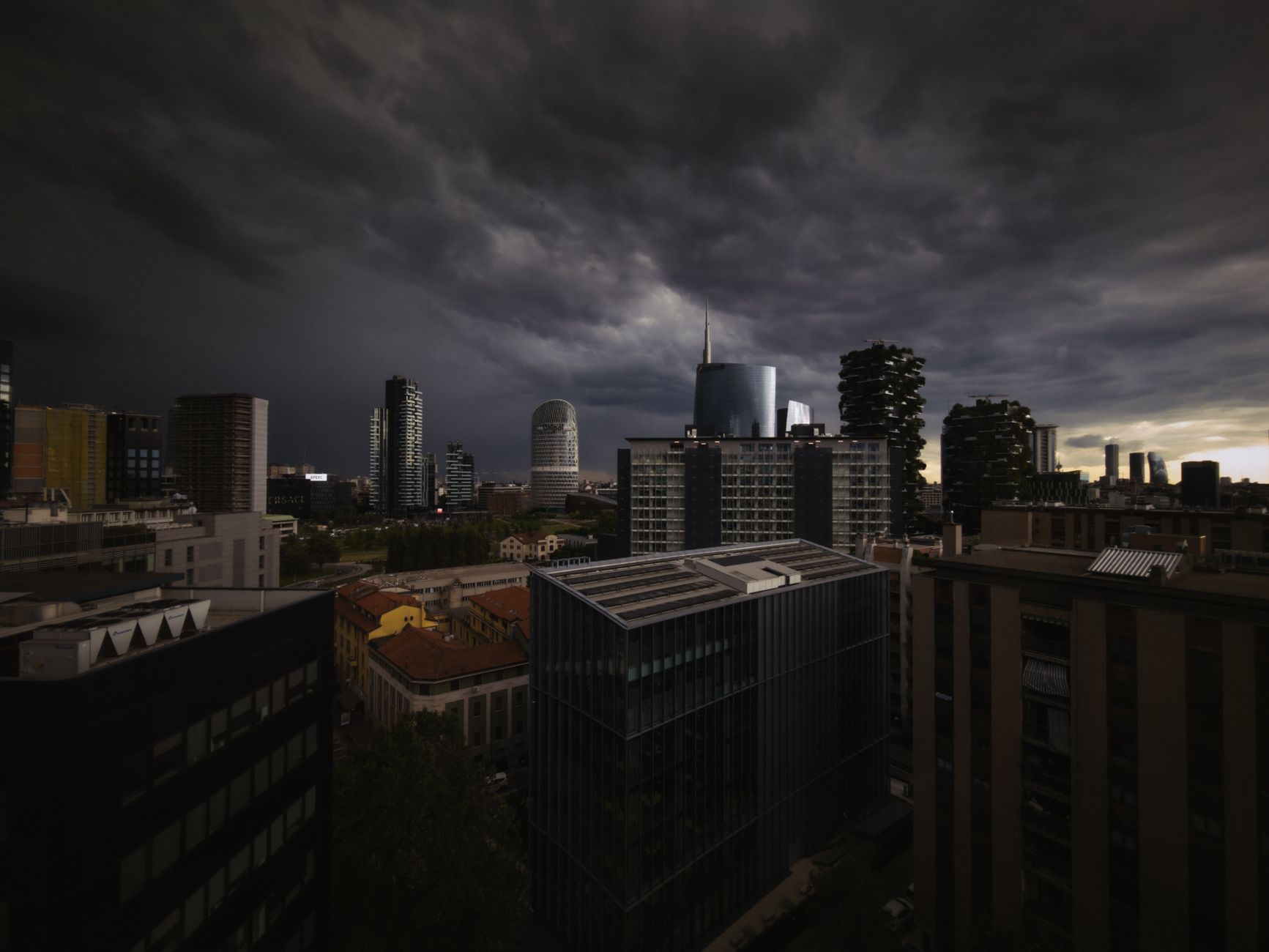
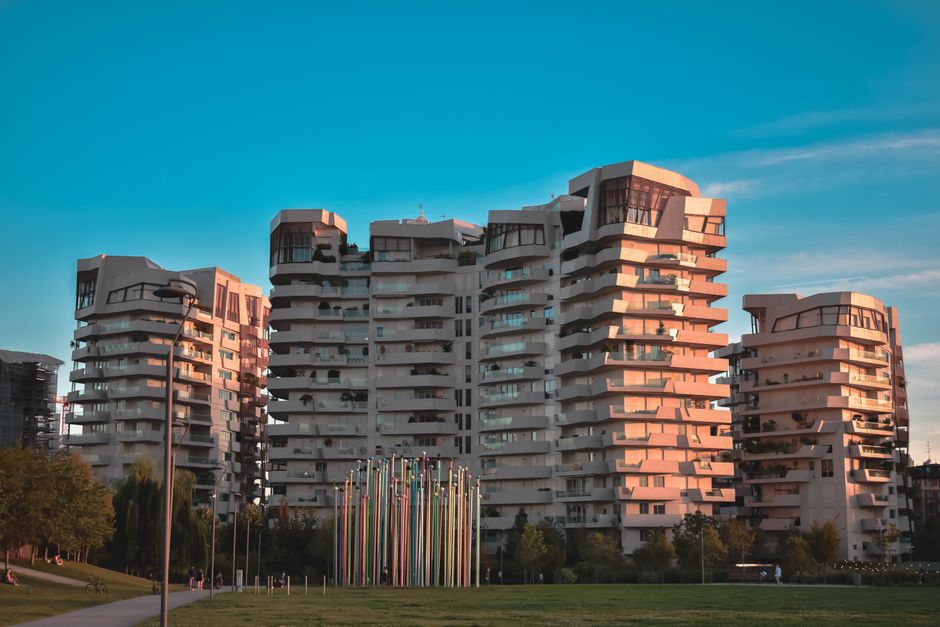
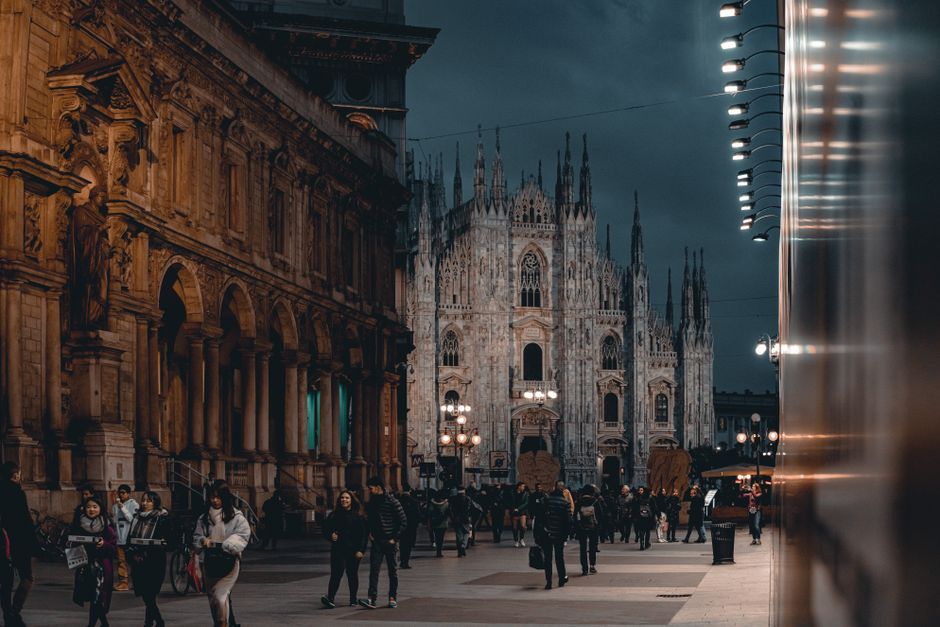
Milan's transformation into a global education hub has been neither accidental nor painless. Over the past ten years, the city's universities—particularly the Politecnico di Milano and Università degli Studi di Milano—have pursued aggressive internationalization strategies that fundamentally rewired how the institutions operate, whom they serve, and what pressures they face.
The shift began around 2016, when Milan's universities recognized a critical demographic reality: Italy's declining birth rate meant fewer domestic students. Simultaneously, global rankings became the unofficial currency of academic prestige. Universities in the Navigli district and around Città Studi began competing ferociously for international enrollment, particularly from Asia and the Middle East, where tuition revenues could offset shrinking public funding.
By 2020, enrollment at major Milan institutions had swelled by nearly 35 percent from 2010 levels, with international students comprising over 22 percent of the student body at prestigious programs. Housing near the Politecnico's main campus on Piazza Leonardo da Vinci became scarce and expensive; student accommodation prices climbed from €400-500 monthly in 2015 to €700-900 by 2024. Universities constructed new dormitories in outlying areas like Lambrate and Bovisa, fundamentally reshaping neighborhoods.
Yet this expansion created hidden costs. Public funding per student declined even as infrastructure demands grew. Library systems, laboratory equipment, and teaching staff struggled to keep pace with enrollment growth. Strike actions by precarious researchers became routine by 2023. Student mental health services, consistently underfunded, saw demand surge as competitive pressure intensified.
Simultaneously, corporate partnerships deepened. Research funding increasingly came from private industry rather than public grants, steering academic priorities toward profitable technologies and away from fundamental inquiry. By 2025, over 40 percent of research funding at the Politecnico came from industry sources—a dramatic increase from 18 percent in 2015.
The pandemic temporarily disrupted this momentum, but the underlying pressures intensified upon reopening. Universities faced simultaneous demands: maintain competitive international profiles, serve growing domestic needs, operate within austere budgets, and address climate commitments that required expensive infrastructure upgrades.
Today, Milan's educational institutions stand at a crossroads. The push for globalization and prestige has delivered genuine achievements—world-class research centers, diverse student communities, enhanced international recognition. But it has also created unsustainable pressures: inadequate funding, precarious employment for junior academics, housing crises, and persistent questions about whether universities serve public goods or market demands.
Understanding today's challenges requires recognizing this trajectory—not as inevitable progress, but as the consequence of specific choices made by administrators, policymakers, and governments seeking shortcuts to excellence.
This article was compiled by AI from the sources linked above and screened before publishing. See our editorial standards.