Milan's emergency services are facing a pivotal moment. With violent crime incidents up 12% year-on-year in central districts and response times in outlying neighbourhoods like Quarto Oggiaro and Corvetto averaging 8-10 minutes, city administrators and security chiefs must now decide how to reshape the police and fire infrastructure for the next operational cycle.
The immediate pressure points are clear. Central Station and the surrounding Greco neighbourhood have become flashpoints, with three serious assaults reported in the past month alone. Meanwhile, the Navigli district—a popular evening destination for thousands—has seen a spike in pickpocketing and aggressive panhandling that's prompting venue operators to hire private security at considerable cost.
The Milan Prefecture and Questura are currently reviewing three competing proposals. Option one: expand night-shift patrols across the city centre at an estimated €2.3 million annual cost, requiring 45 additional officers. Option two: modernise the emergency call system (currently handling roughly 180,000 calls yearly) with AI-assisted dispatch, budgeted at €1.8 million over two years. Option three: a hybrid approach focusing resources on high-risk zones while investing in community policing initiatives in residential areas.
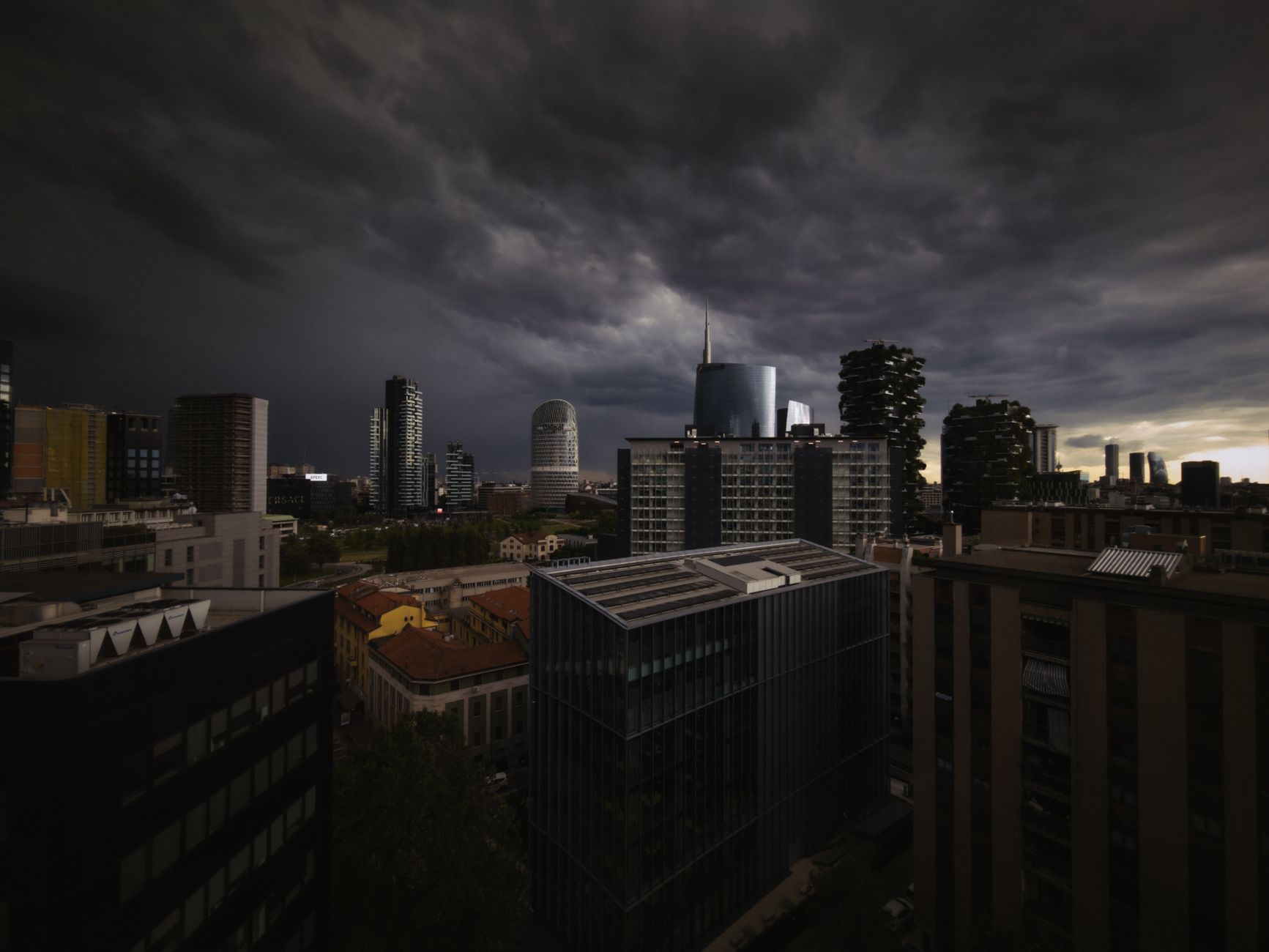
Fire Chief Marco Chieregato's department faces parallel dilemmas. Three stations—including the Porta Ticinese facility—operate below optimal staffing levels. With the city's building stock aging and construction cranes dominating skylines across Porta Nuova and Garibaldi zones, fire safety audits have flagged increased risk. The fire service must decide whether to lobby for additional permanent posts or rely on improved inter-agency coordination with Azienda Regionale Emergenza Urgenza (AREU).
Community safety groups have intensified pressure. The Associazione Commercianti Navigli and business owners along Corso Como have demanded visible police presence; residents of Niguarda and Bicocca want investment in district-level emergency response capacity rather than centralised downtown focus.
City Hall is expected to present its budget allocation framework by mid-August. The window for stakeholder input—including formal consultations with the Chamber of Commerce and district councils—closes July 15th. Public safety councillor will chair a critical meeting on July 9th where these competing priorities will be debated openly.
What's at stake extends beyond figures and budgets. These decisions will determine whether Milan's emergency response system remains reactive or becomes genuinely preventative—and whether the city's two million residents feel secure in their neighbourhoods.
This article was compiled by AI from the sources linked above and screened before publishing. See our editorial standards.