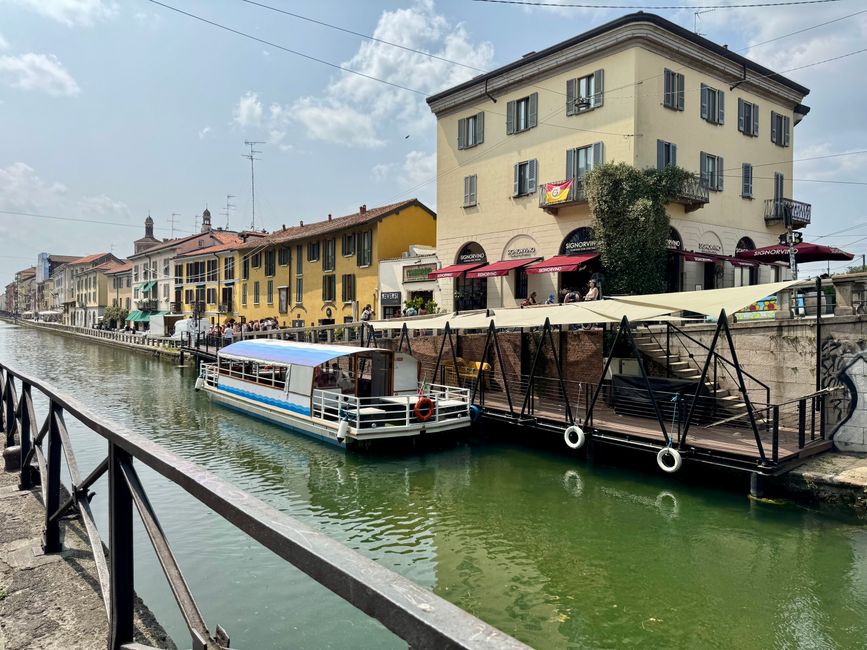
The Navigli district wasn't always the Instagram-worthy destination it is today. In the early 2000s, the network of canals that once powered Milan's medieval economy had become synonymous with decay—crumbling facades along the Naviglio Grande, abandoned warehouses, and a reputation that deterred investment and residents alike.
But the transformation didn't happen overnight, nor was it inevitable. It required sustained grassroots pressure from local residents, cultural entrepreneurs, and community organizations who refused to let the area become yet another victim of urban neglect.
"The turning point came around 2005," explains the institutional memory held by long-time Navigli residents. The neighbourhood's population had dropped to just over 8,000 people by mid-decade, down from nearly 15,000 in the 1980s. Property values had stagnated at €4,500-5,200 per square metre—roughly half the city average. Crime rates exceeded the municipal average by 23 per cent.
Yet small acts of resistance began accumulating. Artist collectives occupied empty spaces along Via Casale and Ripa di Porta Ticinese. The Associazione Navigli, formed in 2006, began organizing monthly cleaning initiatives. Independent bookshops, vintage dealers, and small galleries opened their doors, often at considerable personal risk. By 2010, roughly 60 cultural venues operated in the district—nearly all run on minimal margins by passionate locals.
The municipal government initially remained indifferent. City planning priorities favoured the Porta Nuova development and Zona Tortona's design district expansion. It wasn't until 2014—after sustained advocacy campaigns and documented evidence of the neighbourhood's cultural vitality—that city authorities began serious infrastructure investment. The first phase of canal restoration began in 2015, costing €12 million and taking three years to complete.
By 2020, the Navigli had become fashionable. Property values climbed to €9,800 per square metre. The district attracted major restaurants and concept stores. While this success brought prosperity, it also created tension: local businesses report rent increases of 40-60 per cent over five years, forcing some original independent operators to relocate.
Today's Navigli represents both triumph and cautionary tale. The district's revitalization proved that persistent community engagement can overcome institutional indifference. Yet the very success that validates the original vision threatens the democratic, grassroots character that made the revival possible.
Understanding this history matters as Milan continues evolving. Other neglected neighbourhoods—Giambellino, parts of Isola—watch the Navigli model closely. The question remains: can renewal be achieved without erasing the communities that pioneered it?
This article was compiled by AI from the sources linked above and screened before publishing. See our editorial standards.