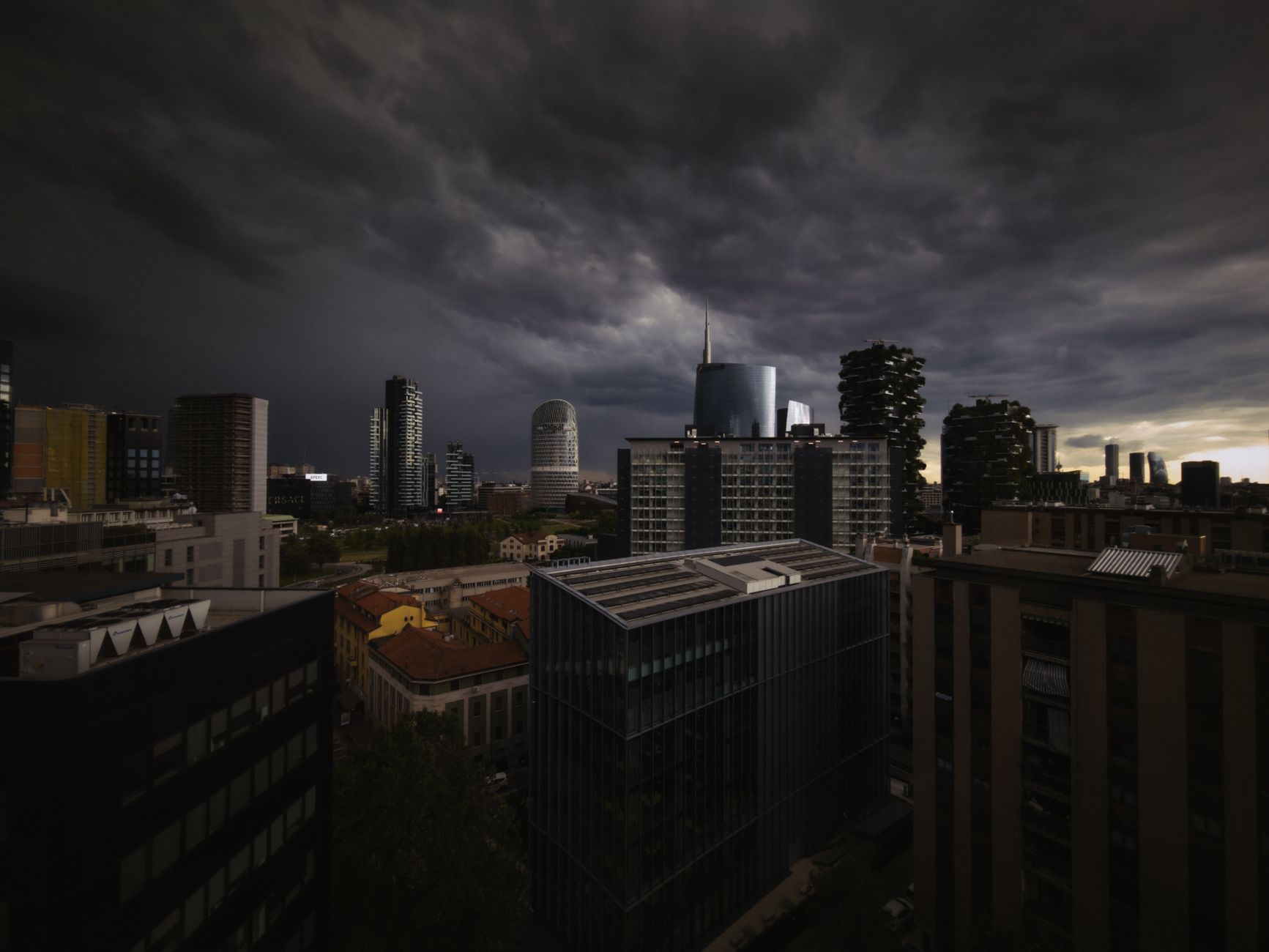
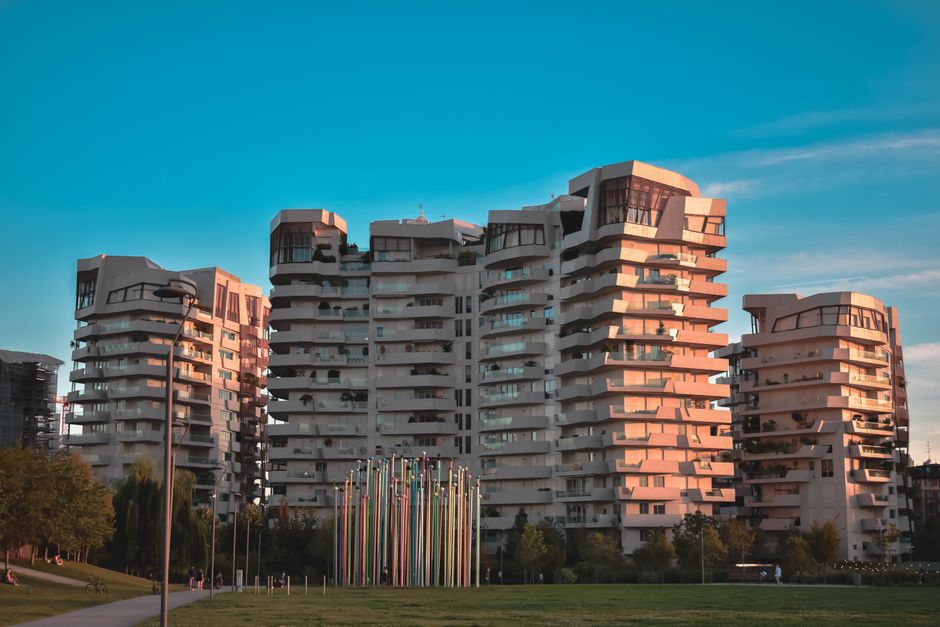
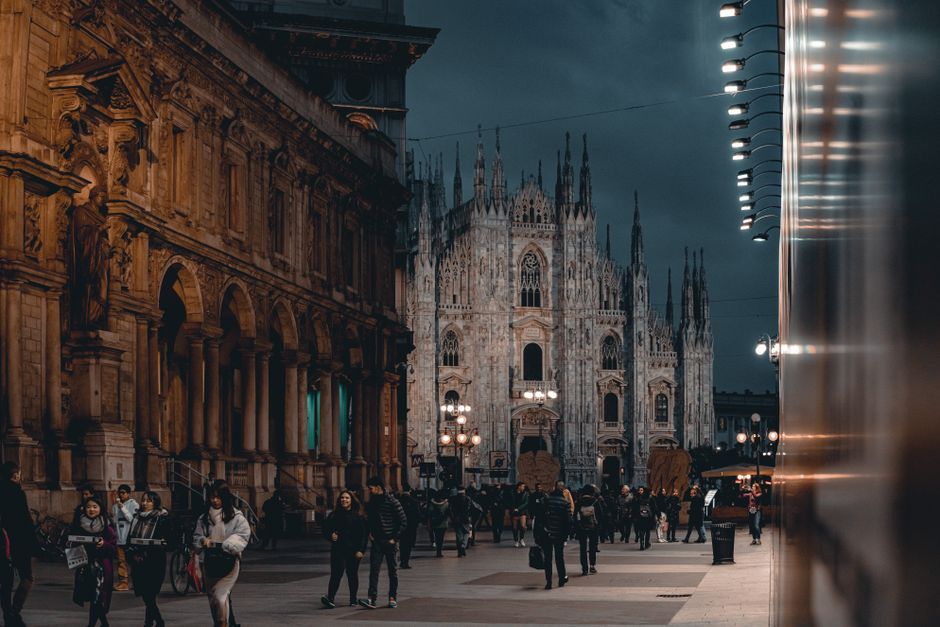
Walk through the Navigli district on a Saturday evening and you'll encounter a microcosm of modern Milan: kebab vendors next to traditional trattorias, Mandarin conversations drifting from small shops near centuries-old canals, prayer times announced from mosques blocks away from medieval basilicas. This isn't accidental; it's the cumulative result of seventy years of migration patterns, economic cycles, and policy shifts that have fundamentally altered Italy's largest industrial city.
Milan's transformation began in earnest during the 1950s and 1960s, when the postwar economic boom drew Southern Italians northward seeking factory work. By the 1980s, as manufacturing stabilised and service sectors expanded, international migration began accelerating. Today, approximately 19 percent of Milan's 1.3 million residents are foreign-born—a figure that reaches 35-40 percent in neighbourhoods like Zona 5 and along the Sarpi corridor in Brera.
The city's migration patterns followed its economic geography. Pakistani and Bangladeshi communities initially concentrated around the Central Station and Corso Buenos Aires, areas with affordable housing and proximity to transport hubs. Chinese businesses clustered in the Paolo Sarpi neighbourhood, transforming it into Europe's second-largest Chinatown by the 2000s. Meanwhile, professional migrants from Western Europe and North America settled in San Siro and Porta Romana, where rental prices exceed €800 monthly for modest one-bedroom apartments.
Official statistics reveal the acceleration: in 1991, foreign residents numbered roughly 74,000. By 2010, that had risen to 280,000. Today, the figure approaches 250,000 across Milan's metropolitan area, representing over 130 nationalities. The largest communities originate from Egypt, the Philippines, China, Sri Lanka, and Peru—each wave arriving during specific economic moments.
Yet this demographic shift has generated persistent tensions. Housing pressures in central districts like Isola and Garibaldi have intensified gentrification debates. Integration challenges in neighbourhoods like Padova, where poverty rates exceed 15 percent, have become focal points for political discourse. The 2018 election cycle saw migration policy become central to national politics, directly reflecting Milan's role as Italy's multicultural laboratory.
Understanding Milan's present requires acknowledging this trajectory. The city didn't become multicultural overnight; it arrived through labour demands, colonial legacies, geopolitical shifts, and individual decisions made across decades. Today's debates about housing, schooling, and social services are rooted in this complex history. As Milan continues evolving, that context matters—not as justification, but as foundation for substantive policy discussion.
This article was compiled by AI from the sources linked above and screened before publishing. See our editorial standards.