The Navigli district has transformed dramatically over the past decade. Once a neighbourhood where young professionals could afford studio apartments near the Darsena waterfront, it has become increasingly out of reach for ordinary workers. Average rents now exceed €1,850 per month for a one-bedroom flat—a 34% increase since 2020—forcing the city administration to confront questions about urban equity that plague metropolises worldwide.
Milan's municipal government, under Palazzo Marino's leadership, has opted for a distinctly centrist strategy: incentivising private developers to include affordable units through tax breaks rather than implementing strict rent controls or aggressive public housing programmes. This approach mirrors policies adopted in cities like Toronto and Barcelona, though with notably different intensity. Copenhagen, by contrast, has achieved lower vacancy rates through direct municipal investment in social housing, while Berlin has pursued aggressive tenant protections that would be politically unthinkable in Italy's business-friendly Lombardy region.
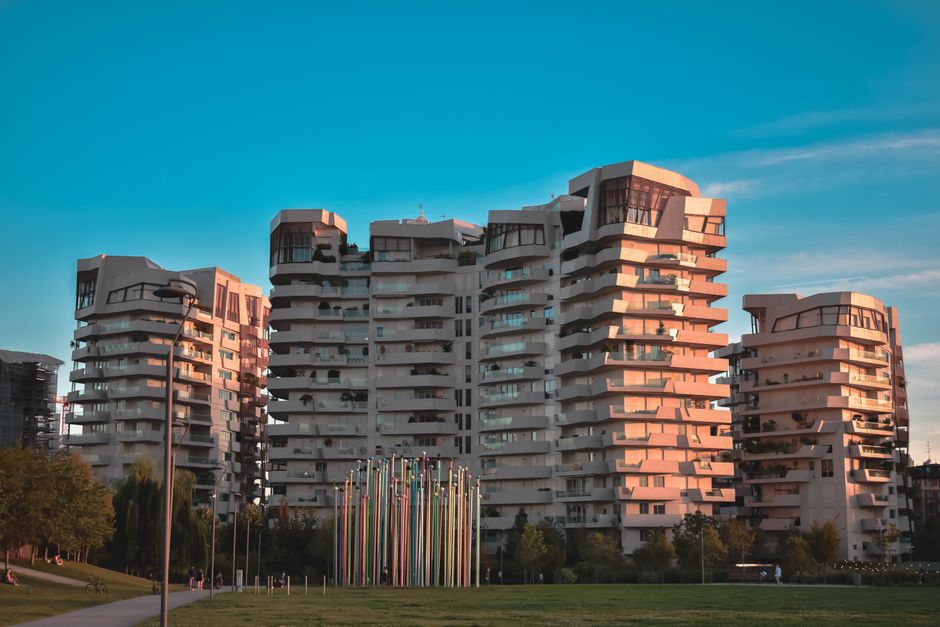
The numbers tell a revealing story. Milan now spends approximately €340 million annually on housing initiatives—modest compared to Vienna's €650 million per capita investment or London's multi-billion-pound affordable housing schemes. Yet Milanese officials point to pragmatic results: 2,847 new affordable units completed in the last three years across Porta Romana, Lambrate, and Sempione neighbourhoods, with another 1,200 units planned through 2028.
"We work within our fiscal constraints," explains the city's municipal planning office, emphasising partnerships with private constructors rather than confrontational regulation. This philosophy diverges markedly from more interventionist European peers. Hamburg has pioneered strict inclusionary zoning requiring 25% affordable units in new developments; Milan's voluntary agreements typically target 15-20%.
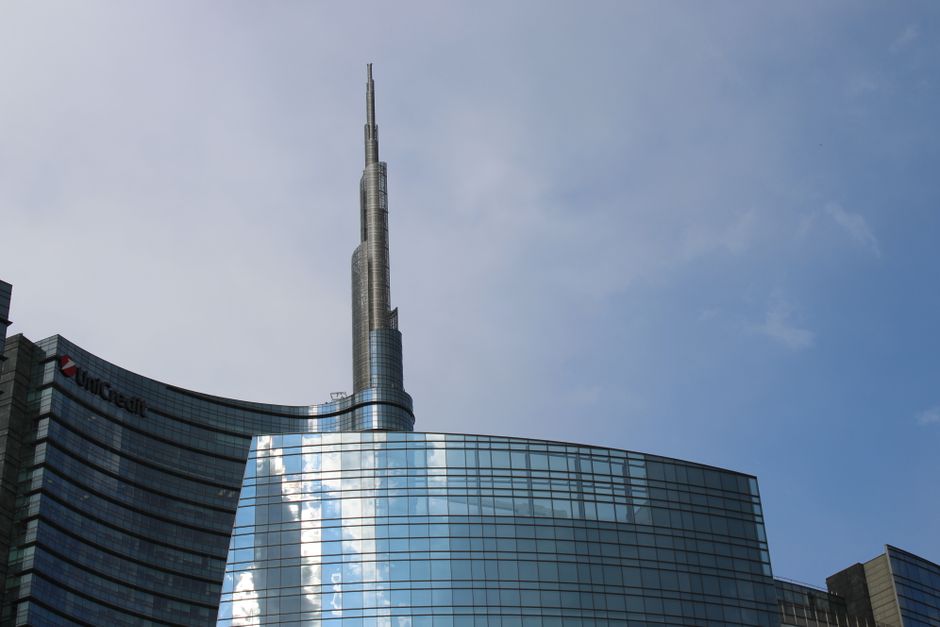
The Centrale district, once industrial, exemplifies this approach. The €1.2 billion Gae Aulenti regeneration project converted defunct railway yards into mixed-income space, though critics note how many units remain prohibitively expensive for service workers employed throughout the Duomo and Quadrilatero d'Oro areas.
Global housing experts observe Milan's strategy with cautious interest. Unlike London, which has mandated affordable quotas with regulatory teeth, or Berlin's rent-freeze era, Milan prioritises developer relationships. Whether this pragmatism yields equitable outcomes comparable to more interventionist models remains contested—but as other cities reassess their housing strategies amid inflation, Milan's middle path warrants closer scrutiny.
This article was compiled by AI from the sources linked above and screened before publishing. See our editorial standards.