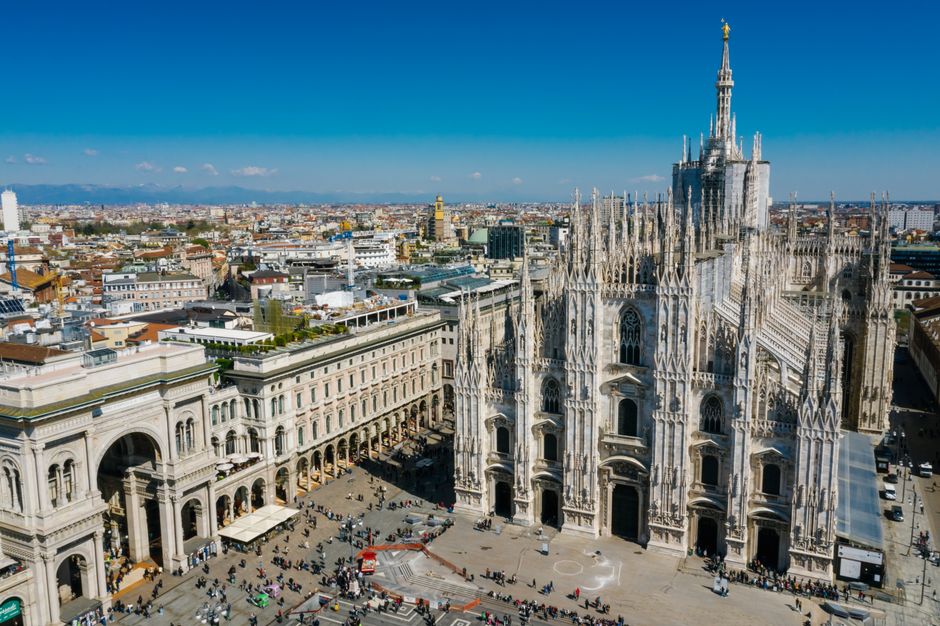
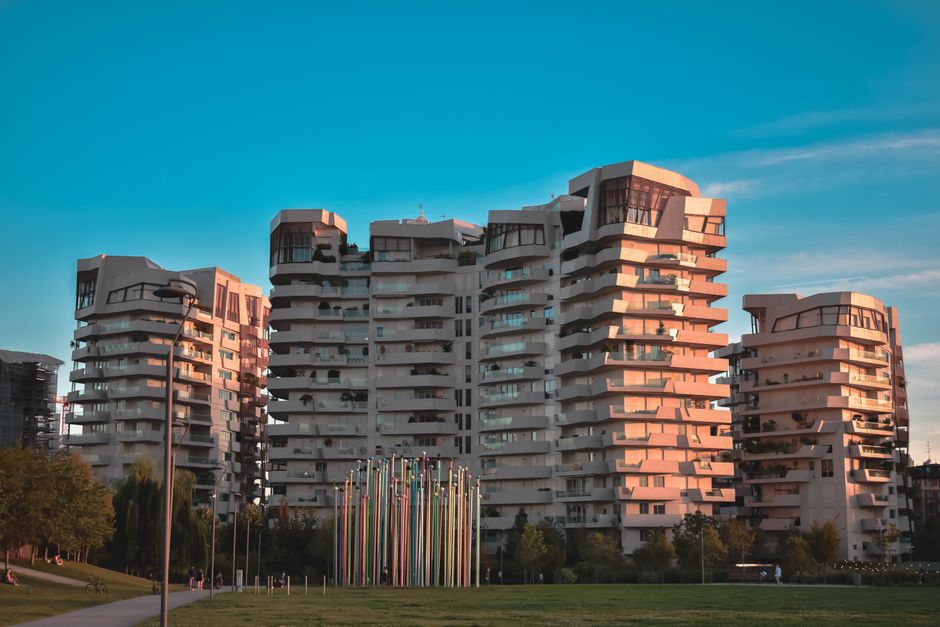
Walking along the Navigli Grande on a June morning, Maria Rossini pauses to catch her breath—something she says she couldn't do freely just two years ago. "The smell is gone," says the 67-year-old retiree, who has lived in the historic canal neighbourhood for four decades. "My grandchildren visit now without their inhalers packed."
Rossini's observations reflect a broader shift gripping Milan as the city pursues one of Europe's most aggressive sustainability agendas. Since January 2024, the Area C congestion charge expanded to cover the entire metropolitan zone during peak hours, while the Low Emission Zone (LEZ) now bans vehicles older than Euro 5 standards—measures that have cut traffic volumes by an estimated 18 percent according to municipal data.
But not everyone celebrates the changes. Giuseppe Marchetti, a small-business owner operating a logistics firm near Porta Romana, expressed measured skepticism during an interview at his warehouse. "The environment matters, absolutely," he said, noting that compliance costs—vehicle upgrades, alternative fuels, permit modifications—have cut his margins by roughly 12 percent. "What I want to know is: who helps businesses like mine survive the transition?"
The tension reveals itself across Milan's diverse communities. In Lambrate, where the municipality installed 150 new electric vehicle charging stations this year, younger residents embrace the infrastructure. Yet pensioners navigating public transport report confusion over revised timetables prioritising sustainable commuting routes.
At the Fondazione Cariplo sustainability forum last month, community representatives outlined both wins and gaps. Air pollution particles (PM2.5) dropped 22 percent between 2022 and 2025, according to ARPA Lombardia data. Simultaneously, affordable green housing remains scarce—rents in newly certified eco-friendly buildings near Isola have climbed 31 percent since 2023.
"We're not against clean air," said Antonella Colombo, coordinating a residents' association in Porta Vittoria. "But we need these changes designed *with* us, not imposed on us. Where are the subsidies for working families? The job retraining programmes?"
Milan's leadership insists programmes exist: €180 million in regional green bonds fund transition support, though uptake data remains opaque. As the city targets carbon neutrality by 2035, the genuine challenge lies not in environmental ambition but in ensuring the Rosinis and Marchettis alike feel the benefits—not just the burdens—of change.
This article was compiled by AI from the sources linked above and screened before publishing. See our editorial standards.