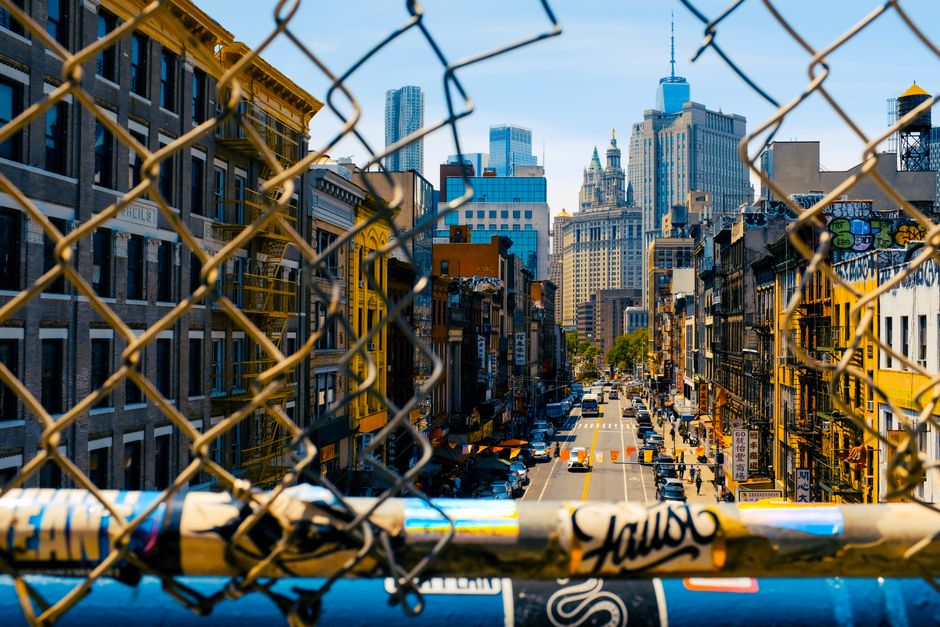
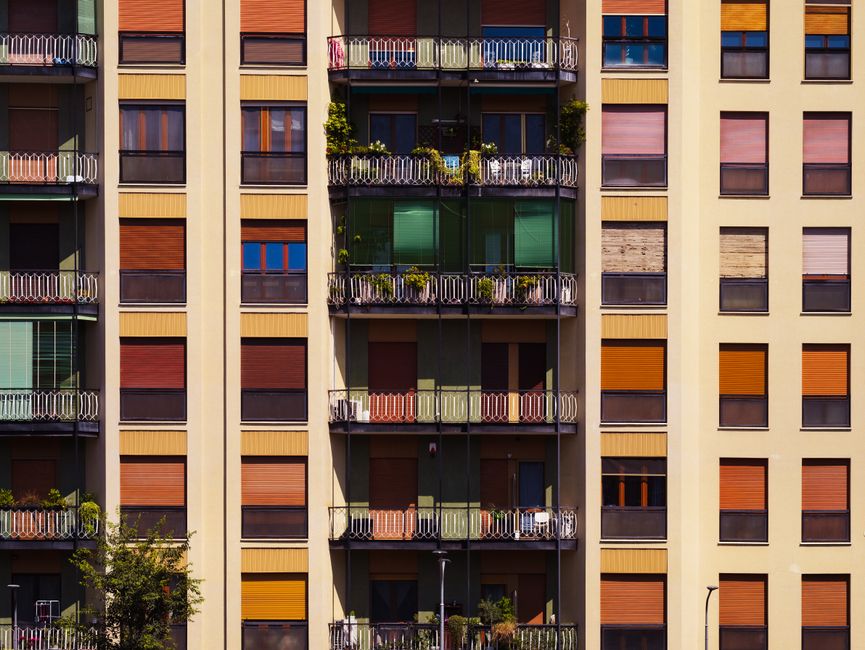
Milan's Palazzo Marino is heading into the summer recess without a resolution to a funding dispute that has left at least €340 million in co-financed municipal projects in limbo, according to budget documents reviewed by The Daily Milan this week. The standoff between Mayor Beppe Sala's centre-left administration and the centre-right Lombardy regional government, led by President Attilio Fontana, has moved from a slow-burning institutional irritant into something with direct consequences for ordinary Milanese.
The timing matters. The city is less than six months out from hosting events connected to the Milan-Cortina 2026 Winter Olympics, infrastructure deadlines are pressing, and public attention is split between a summer heatwave — France recorded more than 2,000 excess deaths at the peak of its own last week — and a news cycle dominated by events far from Piazza della Scala. That combination of distraction and deadline pressure is exactly when bureaucratic disputes tend to calcify.
Where the Money Is Not Going
The practical effects are showing up in specific places. The redevelopment of the Corvetto neighbourhood, a dense residential zone in the south-east of the city near the Piazza Corvetto metro stop, was supposed to receive €28 million in joint regional-municipal funding for street-level improvements and social housing upgrades under the PINQuA national housing programme. Regional sign-off has been delayed since March. Construction firms that won preliminary tenders say they cannot mobilise crews without formal budget authorisation.
Further north, in Quarto Oggiaro — one of the city's most economically stressed districts, running along Via Eritrea — a community sports centre expansion backed by the Comune di Milano's 'Sport di Quartiere' initiative has been waiting since April for a regional co-financing tranche of roughly €4.2 million. The centre currently serves around 1,400 registered users per week, many of them teenagers. Staff at the facility have been told not to accept new enrolments for autumn programmes until the financial picture clears.
The Porta Nuova district, by contrast, illustrates what private capital can do without waiting for political alignment. Developers there continue to push ahead independently of municipal-regional tensions, with the new commercial tower on Via della Liberazione expected to reach structural completion by September 2026. But Porta Nuova is the exception, not the model — it attracts investment precisely because it generates returns. Corvetto and Quarto Oggiaro do not, which is why they depend on public money.
The Numbers Behind the Stalemate
Milan's Comune spent approximately €3.1 billion in the 2025 fiscal year, of which around 18 percent came from regional transfers. That share has been declining — it stood at 23 percent in 2021 — partly reflecting the political friction and partly a broader national trend of recentralising spending. For residents in peripheral neighbourhoods, each percentage-point drop in regional transfers translates directly into deferred maintenance, thinner social services and slower infrastructure upgrades.
The Sala administration has publicly pressed for a joint technical commission to unblock the specific frozen tranches, and a meeting between municipal and regional officials is tentatively scheduled for the week of 14 July at the Pirelli skyscraper on Via Fabio Filzi, where Regione Lombardia has its headquarters. Whether that meeting produces anything binding before the August shutdown, when Italian government effectively hibernates until early September, is the immediate question.
Residents in affected areas have a few practical options. Neighbourhood councils — the Consigli di Zona — in Zone 4 (Corvetto) and Zone 8 (Quarto Oggiaro) are the formal channels for registering complaints about service deterioration; their next scheduled public sessions are in the second week of July. The Comune's online transparency portal, published under the 'Open Data Milano' initiative, lists the status of co-financed projects and is worth checking for updates after the 14 July meeting. Anyone enrolled in programmes at the Quarto Oggiaro sports centre should contact the facility's administration directly before signing up for September courses, rather than assuming the autumn schedule will proceed as advertised.