Milan's Digital Archives Race to Fix Duplicate Image Crisis This Week
Museums, fashion houses and public institutions across the city are scrambling to resolve a cataloguing problem that has quietly distorted digital collections for years.
Museums, fashion houses and public institutions across the city are scrambling to resolve a cataloguing problem that has quietly distorted digital collections for years.
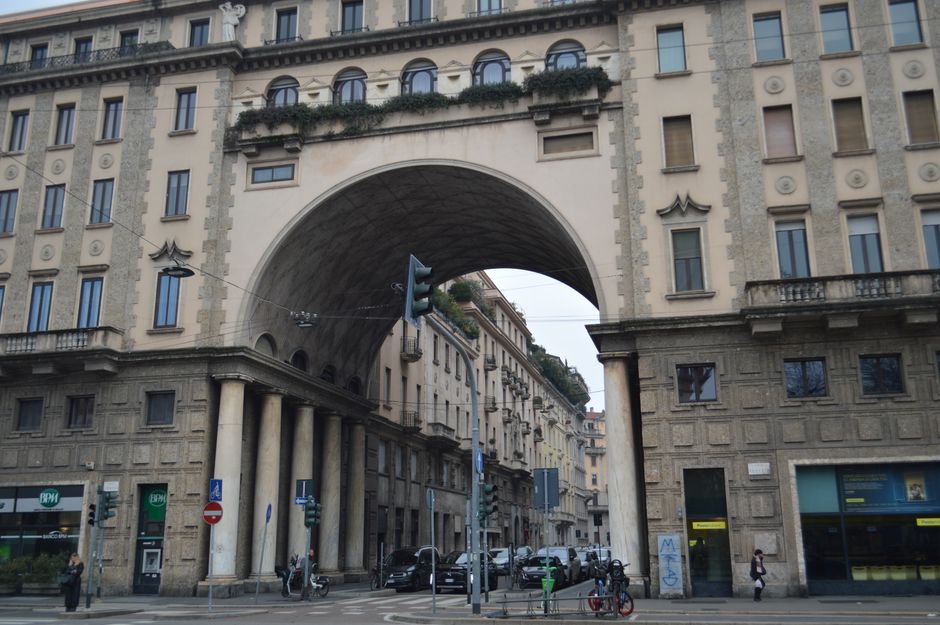
Milan's cultural and commercial sectors moved this week to confront a long-standing problem in their digital archives: thousands of duplicate images cluttering databases, inflating storage costs and undermining the reliability of collections that institutions have spent years building online. The push came after a working group convened by the Comune di Milano's digital innovation office met on Wednesday, July 1, to discuss remediation standards ahead of a broader infrastructure review tied to the Milan-Cortina 2026 Winter Olympics digital showcase programme.
The timing matters. With the February 2026 Olympic games now firmly in the rearview and legacy commitments still being honoured, Milan's public bodies and private partners made pledges to maintain best-in-class digital presentation of the city's cultural assets. Duplicate image records — the same photograph, rendering or scan filed under multiple catalogue entries — erode that promise. They generate false search results, confuse journalists and researchers pulling assets on deadline, and rack up unnecessary cloud storage fees that come directly out of operational budgets.
The Pinacoteca di Brera on Via Brera, which maintains one of Italy's most visited online collections, has been working since May with a Milan-based software firm to run automated deduplication across its digitised holdings. The project covers approximately 38,000 image files, according to documentation circulated at this week's working group meeting. Separately, the Triennale Milano design museum on Viale Alemagna confirmed it is auditing its digital archive ahead of a major autumn exhibition, after staff identified redundant high-resolution scans of furniture and textile designs that had been uploaded by multiple departments without a unified naming convention.
The fashion economy has its own version of this headache. Showrooms and press offices concentrated in the Quadrilatero della Moda — the rectangle bounded by Via Montenapoleone, Via della Spiga, Via Sant'Andrea and Corso Venezia — distribute product images to hundreds of publications and buyers each season. Industry body Camera Nazionale della Moda Italiana has been promoting a standardised digital asset management protocol since 2024, partly to prevent the same lookbook image appearing in archive databases under dozens of variant filenames. The duplication problem is not trivial: one mid-sized Milanese brand estimated internally that its press image server held more than four copies of roughly 60 percent of its active catalogue before a cleanup last autumn, a figure cited in a Camera Nazionale working paper from November 2025.
The Comune di Milano's digital office is pushing institutions to adopt a hash-based verification system — a technical method that generates a unique fingerprint for each image file, making duplicates identifiable instantly regardless of filename. The standard is already in use by several major European municipal archives, including those in Amsterdam and Barcelona. For Milan, the target is to have all publicly funded cultural institutions compliant before December 31, 2026, a deadline written into the city's Piano Digitale 2024-2027 policy framework.
Cost is a real driver here. Cloud storage for large image libraries is not cheap. Estimates within the sector suggest that a medium-sized Italian cultural institution with around 50,000 digitised assets could be paying between €8,000 and €15,000 annually in unnecessary storage costs from duplicates alone, depending on file resolution and provider contracts. Multiplied across Milan's dense cluster of publicly funded museums, archives and design institutions, the aggregate is significant.
For journalists, researchers and agencies pulling images from Milanese sources, the practical advice this week is straightforward: check catalogue metadata carefully, request file checksums from press offices when sourcing archival images, and flag discrepancies to the issuing institution directly. The Porta Nuova innovation district's co-working hubs on Via Ferrante Aporti have also hosted two informal sessions this week for freelancers and communications professionals on navigating digital asset libraries as the cleanup continues. The next formal review by the Comune di Milano working group is scheduled for September, when institutions are expected to report progress against the December compliance target.
How does this story make you feel?
Spread the word
About this article
Published by The Daily Milan
Daily brief
Free, in your inbox before 7am. Weekdays.
More in News