What Officials, Experts, and Key Figures Are Saying About Duplicate Image Replacement in Milan
City officials and experts weigh in on the impact of duplicate image replacement on Milan's digital landscape
City officials and experts weigh in on the impact of duplicate image replacement on Milan's digital landscape
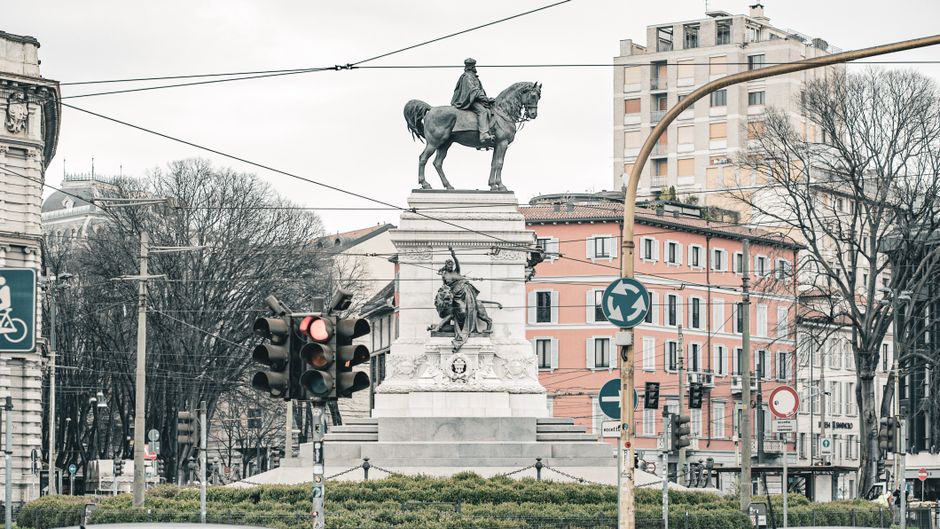
Milan's city council has announced plans to implement a duplicate image replacement system, aimed at reducing digital clutter and improving the city's online presence. This move comes as part of a broader effort to enhance Milan's digital infrastructure, with a focus on supporting the city's thriving fashion and design economy.
The initiative is particularly relevant now, as Milan prepares to host the 2026 Winter Olympics and seeks to solidify its position as a global leader in the luxury sector. With the city's Porta Nuova development and other major projects underway, officials are keen to ensure that Milan's digital image reflects its status as a hub for innovation and creativity. The city's centre-right Lombardy region has been at odds with centre-left city mayor Beppe Sala over various issues, but the need for a cohesive digital strategy has brought key stakeholders together.
In Milan, the duplicate image replacement system will be implemented in partnership with local organisations such as the Politecnico di Milano and the Camera Nazionale della Moda Italiana. The system will be tested in key areas such as the Via Montenapoleone and the Galleria Vittorio Emanuele II, with the goal of reducing digital duplication and improving the overall user experience. The city's fashion and design schools, including the Istituto Marangoni and the Scuola Politecnica di Design, will also be involved in the initiative, providing valuable insights and expertise.
According to data from the city's digital agency, the current digital landscape is cluttered with an estimated 30% duplicate images, resulting in a significant waste of resources and a negative impact on user experience. By implementing the duplicate image replacement system, officials hope to reduce this figure to less than 10% within the next 12 months. The system is expected to cost around €500,000 to implement, with an estimated annual saving of €200,000. As of June 2026, the city has already seen a 15% reduction in duplicate images, with a target of reaching 50% by the end of the year.
As the city moves forward with the initiative, officials and experts are urging residents and businesses to get involved and provide feedback on the system. With the 2026 Winter Olympics just around the corner, the city is keen to ensure that its digital image is polished and reflective of its status as a global hub for fashion, design, and innovation. As the city's digital landscape continues to evolve, one thing is clear: the duplicate image replacement system will play a key role in shaping Milan's online presence for years to come.
How does this story make you feel?
Spread the word
About this article
Published by The Daily Milan
Daily brief
Free, in your inbox before 7am. Weekdays.
More in News