Milan's Duplicate Image Problem: What It Means for Residents and the City's Visual Identity
A growing backlog of duplicated digital images in civic and commercial databases is costing time, money, and trust across Milan's neighbourhoods.
A growing backlog of duplicated digital images in civic and commercial databases is costing time, money, and trust across Milan's neighbourhoods.
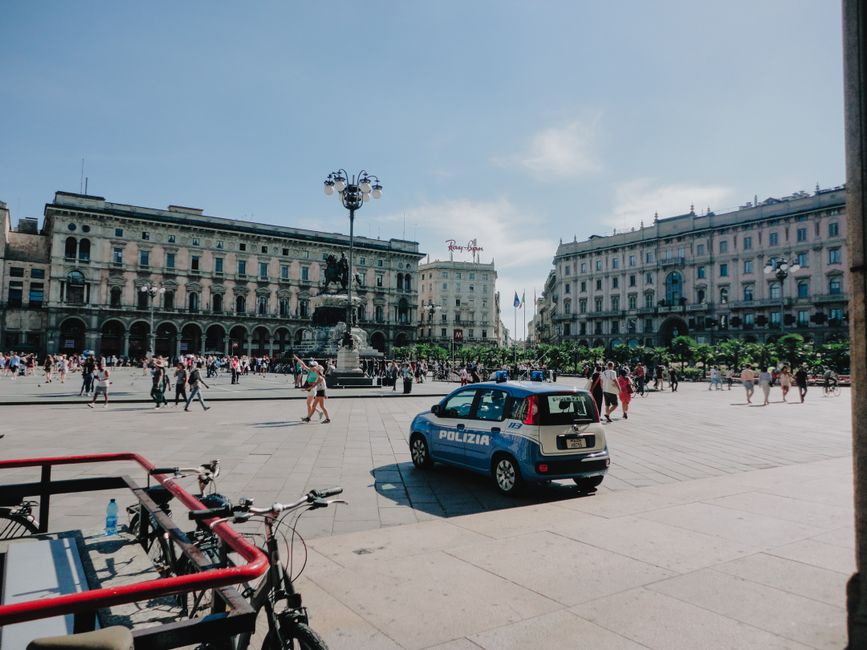
Milan's municipal and commercial digital archives are clogged with duplicate images — the same photographs of Porta Nuova towers, Navigli canal facades, and Piazza del Duomo storefronts appearing dozens of times across city planning portals, tourism platforms, and real estate databases — and residents are beginning to feel the consequences in ways that go beyond a cluttered hard drive.
The problem has gathered urgency in 2026 because the city is simultaneously running two of the largest public-facing digital infrastructure pushes in its recent history. The Milan-Cortina 2026 Winter Olympics promotion machine, operated through the Fondazione Milano Cortina 2026 headquartered in Via Torino, has been generating enormous volumes of photographic content since early January. At the same time, the Comune di Milano's Urban Planning Directorate has been digitising legacy property records tied to ongoing Porta Nuova and Symbiosis district development permits. The collision of these two pipelines has amplified a duplication crisis that archivists and data managers say was already simmering.
For ordinary Milanese residents, the most immediate irritant is in property listings. The Agenzia delle Entrate's public cadastral database — the OMI system — carries duplicate or mismatched images on a share of urban property records that data consultants working with Milan notarial offices describe as a persistent and unresolved administrative drag. When a family in Municipio 9, near Niguarda, searches the public register to understand the visual documentation attached to a neighbouring building permit, conflicting images create confusion about what has actually been approved or built.
Beyond bureaucracy, the issue lands directly on Milan's luxury economy. The city's fashion and design sector generated an estimated €17 billion in annual output for the Lombardy region as of the most recent Confindustria regional data. Brands headquartered along Via della Spiga and Via Montenapoleone depend on tightly controlled visual assets. When asset management systems used by smaller design studios in the Tortona and 5Vie districts — both established creative quarters in the city's south and centre — carry duplicate product imagery, the operational cost is real: wrong images get attached to press releases, lookbooks ship with recycled photographs from previous seasons, and brand damage accumulates.
The city's tourism infrastructure faces a parallel strain. The Milano & Partners destination marketing organisation, which manages the city's global image promotion from its office near Palazzo Marino, maintains a centralised content library used by hotels, travel agencies, and event promoters. Duplicate images in that library — particularly of high-traffic landmarks like the Galleria Vittorio Emanuele II and the Castello Sforzesco — slow down content approval workflows and occasionally result in outdated seasonal imagery appearing in current campaign materials.
The practical response for Milan residents dealing with duplicate images in civic filings is straightforward: any submission to the Sportello Unico per l'Edilizia, the city's unified building permits desk, should include a signed image inventory log alongside planning documents. This requirement, already flagged in a 2025 procedural update to the Comune di Milano's Regolamento Edilizio, is not consistently enforced but provides legal protection if a duplicate image triggers a request for clarification or delays a permit.
For small businesses in creative districts, the recommendation from digital asset management specialists is to implement a hash-based deduplication check — a technical process that identifies mathematically identical image files — before any content is uploaded to shared platforms. Free tools capable of running this check are available through open-source repositories and require no specialist IT infrastructure.
The Milan-Cortina 2026 games close their main promotional window in February 2027, after which a significant volume of photographic content will be archived or decommissioned. That transition point represents the most logical moment for the Comune di Milano to conduct a full audit of its civic image libraries. Whether city hall commits resources to that audit before the post-Olympics administrative reset will determine how long this particular drag on residents' daily dealings with public services continues.
How does this story make you feel?
Spread the word
About this article
Published by The Daily Milan
Daily brief
Free, in your inbox before 7am. Weekdays.
More in News