news
Milan Officials Combat Flood of Fake, AI-Generated Images in Public Communications
From the Brera design studios to the Olympic venues taking shape near Porta Nuova, the city's institutions are being forced to confront a growing crisis over duplicate and AI-generated images flooding public communications.
How we reported this
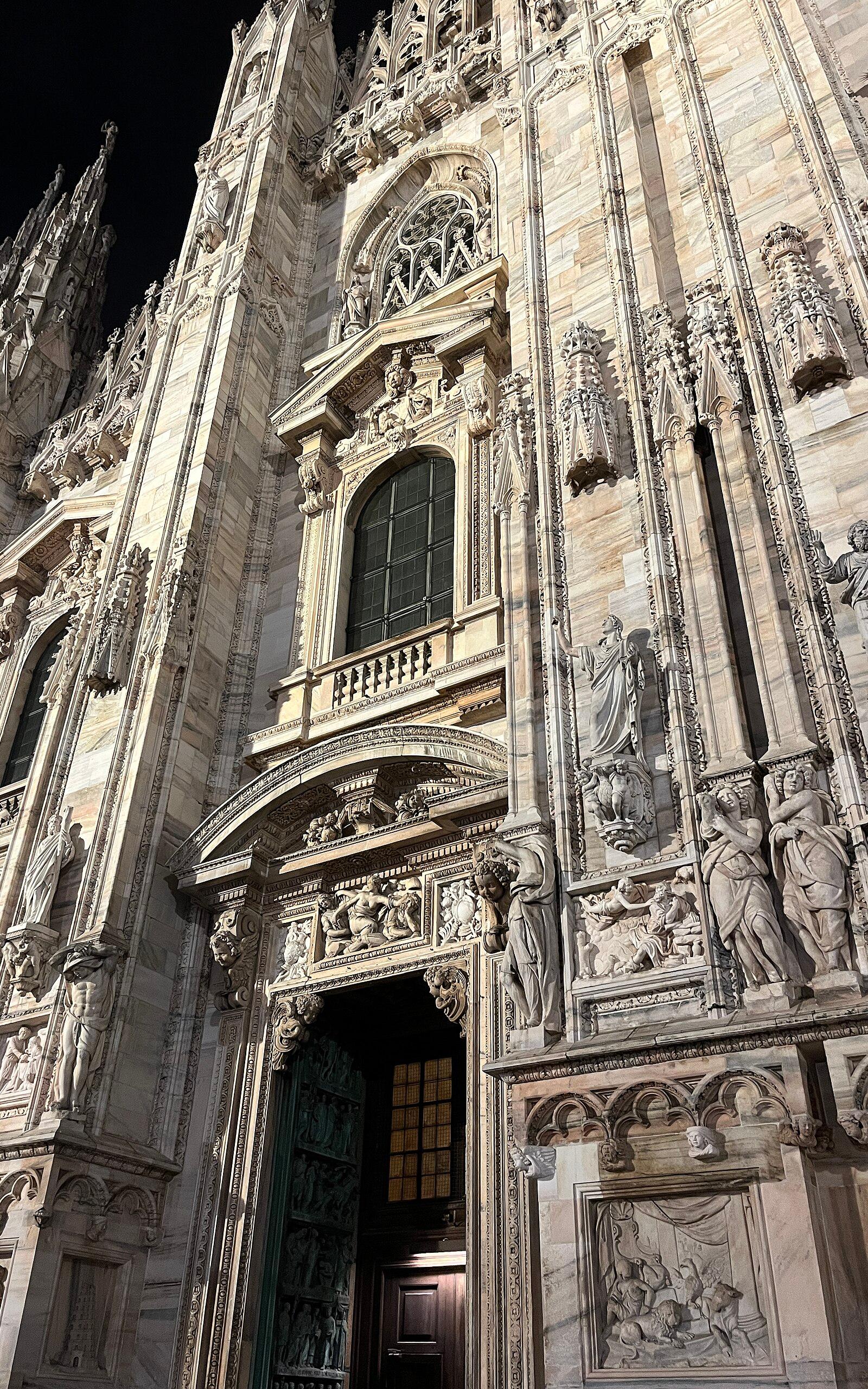
The alarm is getting louder. Across Milan's design sector, public administration and Olympic preparation committees, a consensus is forming around what specialists are calling a systemic failure in image asset management, the unchecked spread of duplicate, recycled or algorithmically generated visuals in official communications, marketing materials and architectural documentation.
The issue has sharpened into focus this summer, as the Milan-Cortina 2026 Winter Olympics organising body, Fondazione Milano Cortina 2026, accelerates its public-facing output ahead of the February games. Venue renders, promotional photography and sponsor-facing content are being produced and distributed at a scale that city image consultants say has exposed long-standing weaknesses in how institutions verify and manage visual assets.
Why It Matters Now
Milan is not facing this in isolation, but the stakes here are unusually high. The city's global standing rests on two pillars: the fashion and design economy centred on the Quadrilatero della Moda and the annual Salone del Mobile in Rho, and its growing reputation as a modern European hub shaped by projects like the Porta Nuova Varesine district. When duplicated or synthetic images circulate, particularly in international press packs and investor-facing materials, they risk eroding precisely the credibility those sectors depend on.
Professionals working in visual communications and institutional branding in the city point to a structural gap: most public bodies and even many private design houses still lack formal protocols for auditing image libraries before publication. The problem intensifies when multiple agencies contribute assets to a single campaign, as is common in Olympic communications, where sponsors, municipal partners and the organising committee each feed into shared content pipelines.
Politecnico di Milano's design faculty, based on Via Durando in the Bovisa district, has been quietly running a research strand since early 2025 examining how AI-generated imagery is diffusing through professional design practice. While the faculty has not yet published formal findings, researchers there have publicly discussed the difficulty of distinguishing licensed archival material from AI-generated duplicates once images enter large shared repositories.
What the Key Figures Are Saying
Institutional voices are carefully worded but consistent in tone. Officials connected to the Comune di Milano's digital communications directorate have, in public forums this spring, acknowledged that the municipality's image verification workflows were built for a different era, one in which new photography was commissioned deliberately rather than generated on demand. The directorate has not announced a formal policy update, but city council discussions in May 2026 referenced the need for updated procurement standards covering AI-generated content.
On the private side, figures from Milan's fashion and luxury sector, where Corso Como and the showrooms around Via Tortona are staging grounds for global brand image, are more blunt in conversations with industry press. The concern is less about duplication per se and more about provenance: if an image cannot be traced to a named photographer or a licensed dataset, it creates liability exposure under European intellectual property rules, including those reinforced by the EU AI Act, which came into full force in August 2025.
Camera Nazionale della Moda Italiana, the body that governs Milan Fashion Week, has not issued specific guidance on AI image use, but the topic featured prominently at a closed-door working group held at its Via Gerolamo Morone headquarters in March 2026. Participants described a fragmented landscape in which individual brands are making their own calls in the absence of sector-wide standards.
For now, the practical burden falls on individual communications teams. Specialists advising Milan institutions are recommending three immediate steps: conducting a full audit of existing image libraries against reverse-search tools and AI detection software, establishing clear contractual language with agencies specifying human-originated photography, and registering original assets with digital provenance certification services before distribution. The window for action is short. With Olympic broadcasting contracts activating in autumn 2026 and Milan Fashion Week scheduled for September, the city's image, quite literally, is on the line.