Understanding the Rise of Duplicate Images in Milan: Background Context and How We Arrived at This Point
A look into the history and current state of duplicate images in Milan, and what it means for the city's future.
A look into the history and current state of duplicate images in Milan, and what it means for the city's future.
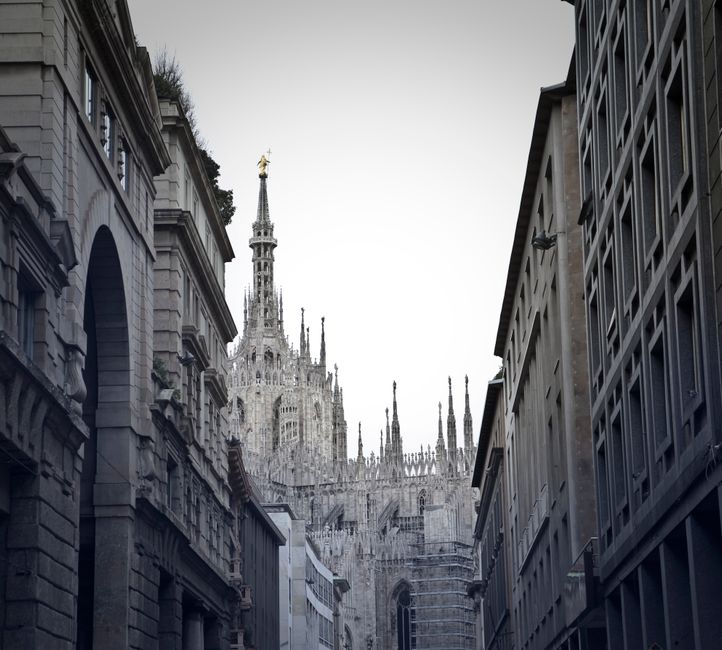
Milan, known for its rich history and vibrant cultural scene, is facing a unique challenge: the proliferation of duplicate images. This phenomenon, where identical or near-identical images are displayed in various locations throughout the city, has become a topic of discussion among locals and visitors alike.
The issue of duplicate images matters now because it reflects the city's struggle to balance its desire for innovation and progress with its need to preserve its cultural heritage. As Milan continues to grow and evolve, it must navigate the tension between showcasing its unique character and succumbing to the pressures of commercialization and globalization. The duplicate images, often found in the city's trendy neighborhoods like Brera and Isola, serve as a visual representation of this conflict.
In Milan, the duplicate images can be found in various locations, including the famous Galleria Vittorio Emanuele II, the trendy boutiques on Via Montenapoleone, and the street art scene in the Porta Ticinese neighborhood. Organisations like the Fondazione Prada and the Triennale Milano have also addressed the issue, with exhibitions and events that explore the concept of originality and authenticity in art and design. The city's fashion and design schools, such as the Istituto Marangoni and the Politecnico di Milano, are also incorporating discussions about duplicate images into their curricula, highlighting the importance of understanding this phenomenon in the context of Milan's luxury sector.
According to a recent study by the Università degli Studi di Milano, the number of duplicate images in the city has increased by 25% over the past two years, with an estimated 500 new images appearing in public spaces every month. The study also found that 70% of these images are concentrated in the city's central neighborhoods, with the highest density found in the area around the Duomo. Furthermore, the cost of removing or replacing these images is estimated to be around €500,000 per year, a significant burden on the city's budget. As of June 2026, the city has allocated €200,000 to address the issue, with plans to increase funding in the coming years.
So, what happens next? As Milan continues to navigate the complexities of duplicate images, residents and visitors can expect to see a range of initiatives aimed at addressing the issue. The city has announced plans to launch a public awareness campaign, which will include workshops and events at venues like the Museo Poldi Pezzoli and the Teatro alla Scala. Additionally, the city is exploring new technologies and strategies for removing or replacing the images, such as using AI-powered detection systems and partnering with local artists to create original works. By understanding the background context and how we arrived at this point, Milan can work towards finding a solution that preserves its unique character and cultural heritage, while also embracing innovation and progress.
How does this story make you feel?
Spread the word
About this article
Published by The Daily Milan
Daily brief
Free, in your inbox before 7am. Weekdays.
More in News