Politics
Milan Intensifies Air Quality Plan with New Commercial Vehicle Restrictions in Area B
Starting this autumn, thousands of commercial vehicles will face new emissions standards to enter the city’s extensive limited traffic zone, as the municipal government pushes to meet its 2030 climate goals.
How we reported this
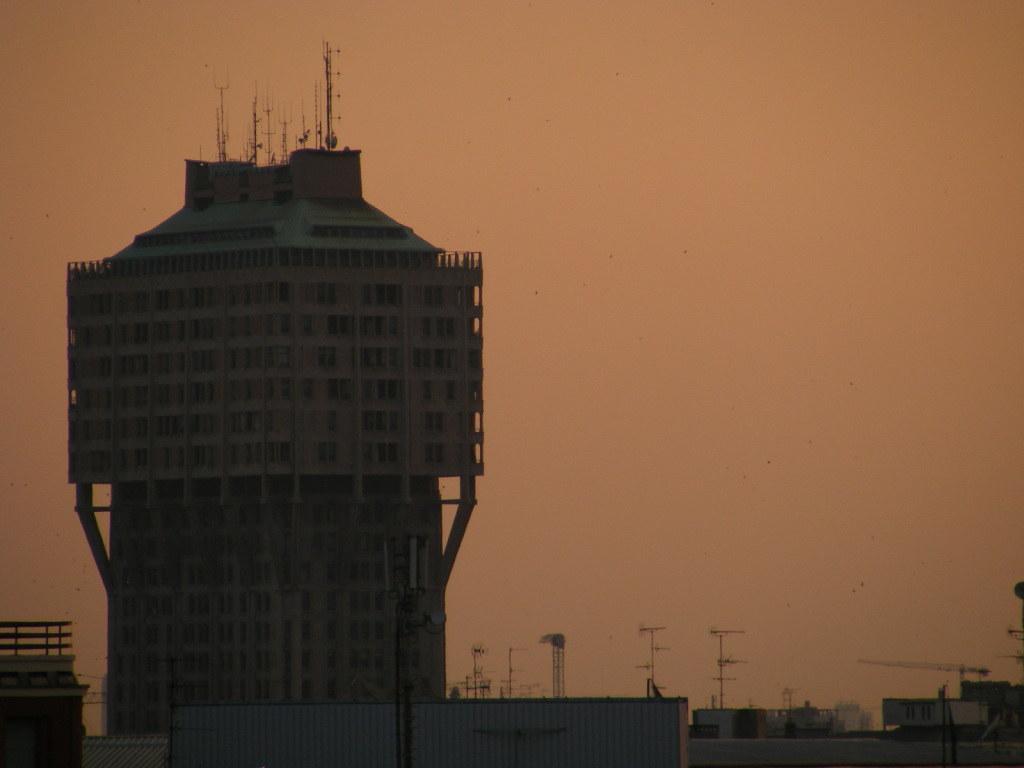
Milan’s municipal government is moving forward with the next phase of its Air and Climate Plan, introducing stricter emissions standards for commercial vehicles entering the 'Area B' limited traffic zone. The update, set to be enforced in the coming months, directly impacts local businesses, delivery services, and tradespeople who rely on older diesel vans and trucks for daily operations across the majority of the city's territory.
The policy is a key component of the city’s long-term strategy to combat persistent air pollution. The Lombardy region, with Milan at its center, consistently ranks among the most polluted areas in Western Europe. The city's Air and Climate Plan, officially adopted by the City Council on February 19, 2022, serves as the roadmap for addressing this public health and environmental challenge. The phased implementation aims to gradually remove the most polluting vehicles from circulation, with officials pointing to public health benefits and the need to align with European Union climate directives.
Cleaner Air, New Costs for Businesses
For Milanese residents, the immediate effects will be twofold. The stated goal of the policy is a measurable improvement in air quality, reducing particulate matter and nitrogen oxides. This is intended to lead to better health outcomes, particularly for children and the elderly living near high-traffic corridors. The administration projects a significant drop in traffic-related emissions as a direct result of the tightening standards for vehicles used for transporting goods.
However, the new rules present a significant operational and financial challenge for local enterprises. Businesses operating commercial vehicles that do not meet the new Euro emissions standard will be required to either upgrade their fleets or face fines for entering the Area B zone, which covers roughly 72% of the municipal area. The city has previously offered subsidies and incentives to help owners purchase newer, cleaner vehicles, but small business associations have expressed concerns about the costs associated with the transition, especially for independent operators and artisans.
The Road to 2030
These vehicle restrictions are grounded in specific, legally-binding targets. The Air and Climate Plan commits Milan to a 45% reduction in direct CO2 emissions by 2030, compared to 2018 levels, with the ultimate goal of achieving carbon neutrality by 2050. The transport sector is identified in the plan as a primary source of emissions, making it a central focus for regulatory action. The plan is not limited to restrictions; it also includes provisions for expanding Milan's network of cycle paths, increasing green spaces, and retrofitting public buildings for greater energy efficiency.
The next steps in the plan’s rollout are expected to be announced before the end of the year. City officials are monitoring compliance with the new commercial vehicle rules while planning for future restrictions that will eventually affect privately owned passenger cars. The timeline for these subsequent phases remains a topic of intense public and political debate, as the administration balances its ambitious environmental targets with the economic realities faced by its citizens and businesses.