Politics
Milan Council Approves Bus Network Expansion; Service Changes Begin September
The city council voted 22-8 to expand the municipal transit network, with residents expected to see service changes and fare adjustments beginning in autumn.
How we reported this
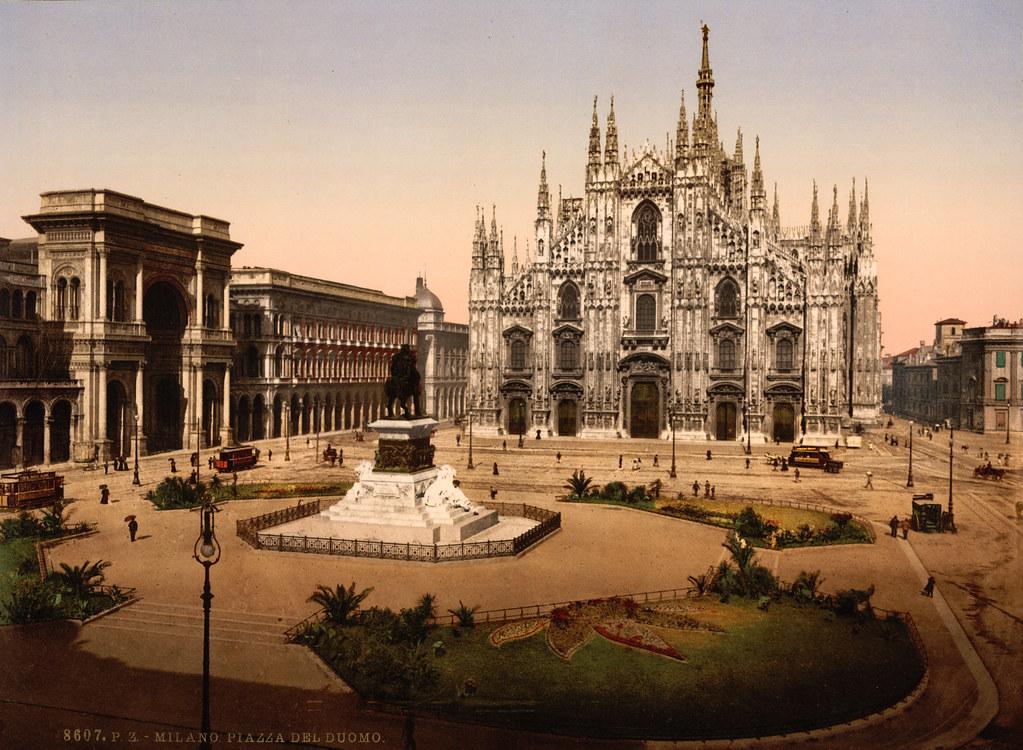
Milan's city council approved a comprehensive reorganisation of public transport operations on Thursday evening, voting 22-8 to adopt a revised service plan that will reshape bus routes, extend operating hours, and adjust passenger fares starting September 1st. The decision follows months of consultation with residents and transport advocacy groups, and affects roughly 340,000 daily commuters who rely on the city's bus and tram network.
The council's vote came after staff presented financial projections showing the current system would face a 12 million euro budget shortfall by 2027 without service restructuring. The approved plan consolidates 14 existing bus routes into 9 new corridors, redirects resources toward underserved suburban areas, and introduces graduated fare zones based on travel distance. For Milan residents, the changes mean some commuters will spend less on fares while others will pay more, depending on where they live and work.
What Changes When and How It Affects Daily Commutes
The restructured network prioritises connections between the city centre and three outer suburbs identified in last year's mobility audit: Lambrate, Greco, and Gratosoglio. Bus routes 42, 67, and 71-which currently serve downtown workers-will be consolidated into a single express corridor running every 8 minutes during peak hours, down from the current 12-minute intervals. Office workers in the financial district near Porta Garibaldi are expected to see travel times cut by 8-10 minutes during morning rush hours, the council staff report states.
Residents in residential zones north of the Navigli will experience the largest changes. Routes that previously required two or three transfers to reach city hospitals and employment centres will be replaced by a direct line, Route 3X, running from Affori to the Monumental Cemetery with stops at Policlinico Hospital and the Centrale train station. However, routes serving shopping districts in Corso Buenos Aires will be reduced from 6 scheduled services per hour to 4. The council approval document notes this reflects a 23 percent decline in retail foot traffic in those areas since 2022.
Fares Rising for Some, Falling for Others
The new fare structure introduces a significant change for low-income commuters. Single journey tickets in central zones will drop from 2.10 euros to 1.80 euros, but outer-zone fares will rise to 2.50 euros from 1.90 euros. A monthly pass for residents working in the centre-currently 55 euros-will become 48 euros. Commuters travelling from suburban Settimo Milanese to the centre will see monthly costs increase to 72 euros, up from 58 euros, a 24 percent rise. The council staff report projects fare revenue will increase by 3.2 million euros annually, offsetting roughly 26 percent of the system's structural deficit.
The vote drew mixed reaction from labour and transport advocates. Three council members voted against the proposal citing concerns about fare increases for outer-ring commuters, while four abstained. The council's own impact analysis projects the revised system will reduce operating costs by 4.1 million euros yearly through route consolidation and improved scheduling efficiency. That saving is expected to be reinvested in vehicle maintenance and driver wages, which have not increased since 2019.
Implementation begins with public notification on August 1st. New timetables take effect on September 1st. The council has scheduled four community information sessions at civic centres in Lambrate, Greco, Gratosoglio, and downtown Milan to help residents understand their local changes before the transition. A trial period assessment is planned for late November to track ridership and service compliance, with a full council review scheduled for February 2027.