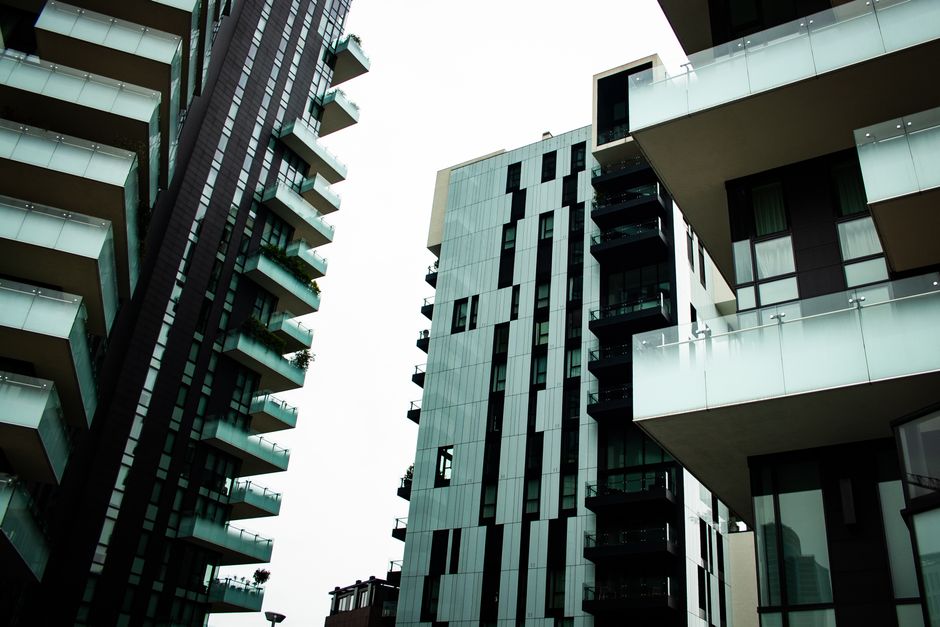
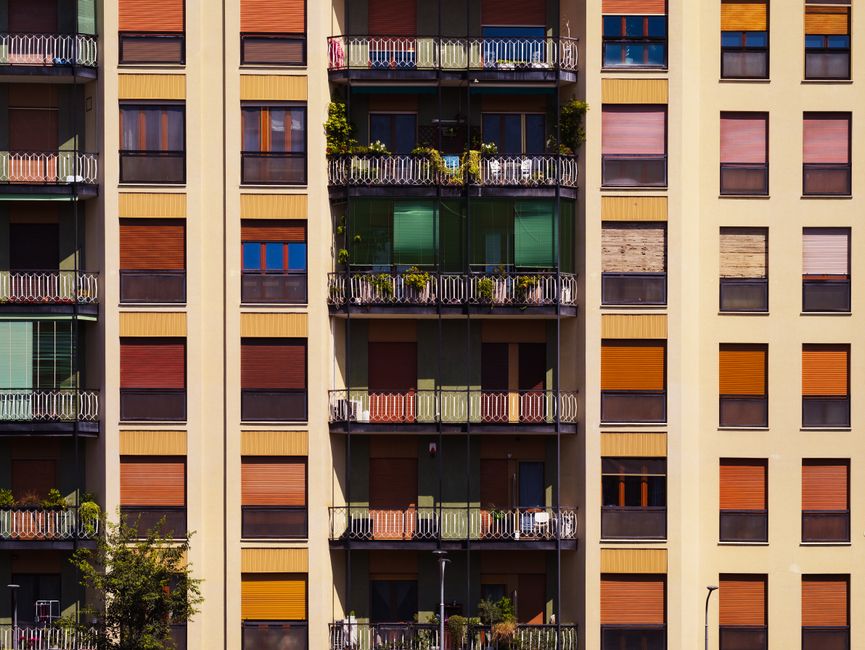
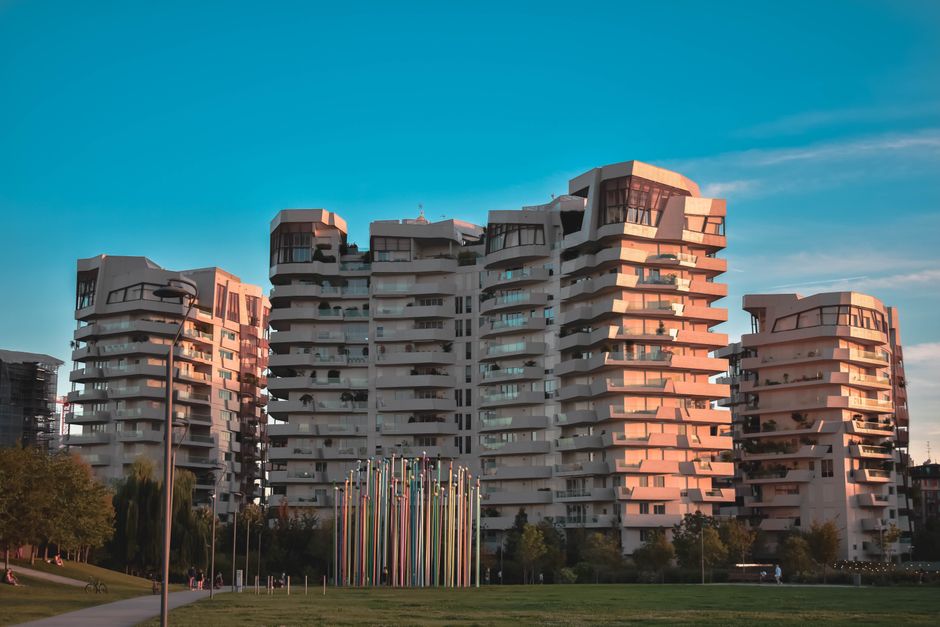
Milan's residential construction pipeline is accelerating. Planning approvals for new developments in regenerating zones like Isola and Nolo have climbed 34% since 2024, according to municipal building records. Yet this surge is creating an unexpected tension: as landlords rush to capitalise on rising valuations—average rents in Nolo now exceed €18 per square metre monthly, up from €14 two years ago—tenants are being priced out of the very neighbourhoods that attracted investment.
The phenomenon is reshaping both sides of the rental equation. Landlords holding older stock along via Torino or via Paolo Sarpi face pressure to renovate or lose tenants to newer builds. A two-bedroom flat in unrenovated condition now struggles to command €1,400 monthly in Isola, while comparable space in a new development nearby reaches €1,900. "The gap is stark," notes one property agent working near Corso Como. "Owners must choose: upgrade or accept lower occupancy."
Construction timelines compound the issue. Projects like those near Piazza Gae Aulenti typically span 18-24 months from approval to occupancy. During this window, nearby landlords often attempt mid-lease rent increases—legal under Italian law if notice periods are met—to align with anticipated market conditions. The Agenzia delle Entrate reports rental agreements in high-development zones show steeper revision clauses than citywide averages.
For tenants, the mathematics are brutal. A family renting a three-room apartment in traditional Brera—where average rents sit around €2,100 monthly for 80 square metres—increasingly cannot afford equivalent space once a new development opens nearby. Migration patterns show renters shifting further north toward Affori or west toward Trenno, extending commutes to the Duomo area or Navigli employment zones.
The Comune di Milano has flagged the tension. Recent municipal surveys indicate 41% of renters in Nolo and Isola have moved or considered moving in the past 18 months, citing affordability. Meanwhile, landlord groups argue construction costs—now averaging €3,800 per square metre for renovated residential—justify rent increases. "We're not speculators," one landlord collective stated via official correspondence. "Materials and labour costs have doubled since 2020."
With a further 15 residential projects in approval stages across these zones, the rental market's bifurcation will likely deepen. The gap between new-build and traditional stock is becoming Milan's defining housing challenge—one that construction momentum alone cannot resolve without intervention on affordability or tenant protections.
This article was compiled by AI from the sources linked above and screened before publishing. See our editorial standards.