Milan's Neighbourhood Heat Map: What's Really Driving Prices—and Why Timing Matters Now
As Isola and Nolo surge while premium zones stabilise, savvy buyers are learning to read the currents reshaping Milan's property landscape.
As Isola and Nolo surge while premium zones stabilise, savvy buyers are learning to read the currents reshaping Milan's property landscape.
Milan's property market is undergoing a quiet but significant realignment. While Brera and Porta Nuova remain the city's prestige anchors—hovering around €7,500–€8,500 per square metre—the real momentum is shifting eastward. Isola and Nolo, once dismissed as emerging neighbourhoods, are now commanding €5,200–€6,200 per square metre, a jump of roughly 18% over two years. For investors, the question isn't where prices are highest; it's where they're moving fastest.
The fashion industry's gravitational pull remains the primary driver. Design studios cluster around Brera and the Quadrilatero d'Oro, sustaining premium valuations. But younger creatives and mid-market professionals are increasingly priced out. Instead, they're anchoring themselves in Isola, where independent galleries, concept stores along Via Torino's side streets, and the nearby Giardini Pubblici offer genuine lifestyle appeal—without the Brera markup. Similarly, Nolo's transformation from residential backwater to cultural hotspot, fuelled by the growing Lambro riverside district regeneration project, is attracting young families and entrepreneurs seeking authentic neighbourhood character.
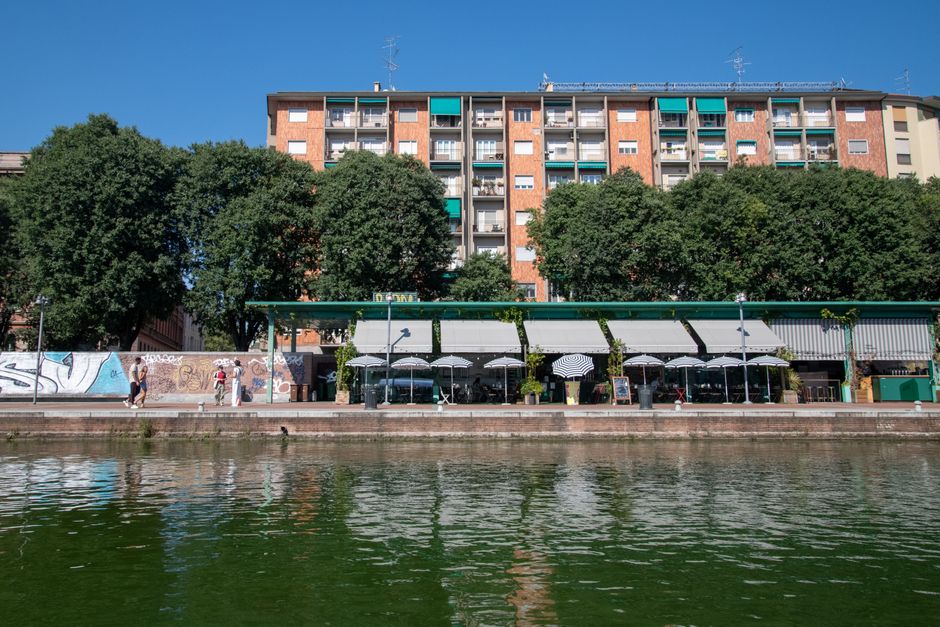
Navigli remains the wild card. Once reliably trendy, it's facing headwinds: overtourism, rising service-sector rents, and saturation of conversion projects. Prices here have plateaued at €5,800–€6,500 per square metre, signalling a market catching its breath. For buyers, this suggests caution; the neighbourhood's appeal is durable, but the explosive growth phase may be behind it.
What's critical now is understanding the mechanics beneath the numbers. Three factors are reshaping buyer behaviour. First, remote work has untethered younger professionals from city-centre proximity, allowing them to prioritise neighbourhood quality over commute time. Second, the green transition is beginning to matter: properties within 500 metres of public transport or parks command premiums that didn't exist five years ago. Third, regulatory changes around short-term rental restrictions are nudging investors toward owner-occupied purchases, reducing speculative volatility but increasing competition for family-friendly stock.
The data supports this shift. Isola now accounts for 14% of central Milan transactions, up from 8% in 2023. Porta Nuova, by contrast, represents just 9%—a historic decline that underscores the sector's evolution.
For buyers entering now, the calculus is straightforward: Brera and Porta Nuova offer stability and liquidity but limited upside. Isola and Nolo deliver growth potential but require conviction about neighbourhood trajectory. Navigli sits between them—a safe hold, but not a bargain. The market's message is clear: Milan's premium isn't about postcodes anymore. It's about where the city is actually moving.
This article was compiled by AI from the sources linked above and screened before publishing. See our editorial standards.
How does this story make you feel?
Spread the word
About this article
Published by The Daily Milan
Daily brief
Free, in your inbox before 7am. Weekdays.
More in Property