Milan's property market has long operated as a tale of two cities: the established prestige zones commanding €6,000–8,000 per square metre, and the emerging neighbourhoods quietly accumulating value. Today, the gap is narrowing—and new development projects are the catalyst.
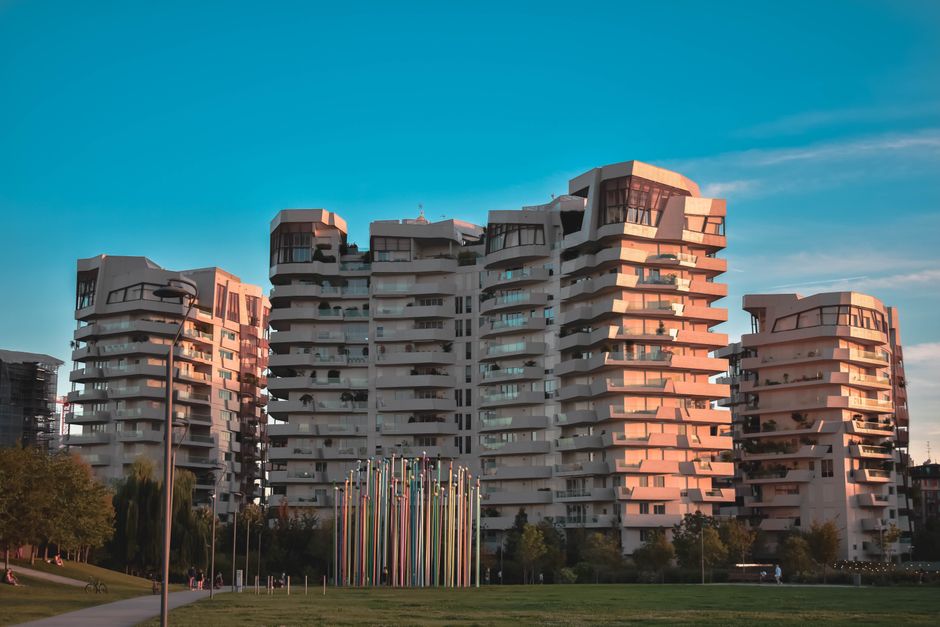
The transformation of the Isola district exemplifies this shift. Once overlooked, the neighbourhood surrounding Piazza Gae Aulenti and the Biblioteca degli Alberi has attracted institutional investment at scale. For landlords, this matters acutely: rental yields in Isola have compressed from 4.5% to roughly 3.8% over three years as property values climb 8–10% annually. Early investors are enjoying strong capital appreciation, but fresh entrants face a tightening arbitrage window.
Porta Nuova tells a different story. The ongoing development around Garibaldi Station, including mixed-use regeneration and improved transport connectivity, is sustaining yields above 3.5% while simultaneously attracting young professionals and corporate relocations. Landlords investing in serviced apartments or short-term rental units near the station are reporting occupancy rates above 85%—a marked improvement from the broader Milan average of 76%.
The real opportunity, however, lies in secondary emerging zones. Nolo (NoLo—north of Loreto) is experiencing tangible momentum. New co-living schemes and mid-market residential complexes are driving foot traffic along Corso Como's eastern extensions. Yields here sit closer to 4.2%, offering a meaningful spread above premium Brera or Navigli, where gentrification has compressed returns below 3%.
For investors evaluating new projects, three variables dominate decision-making. First, proximity to transport infrastructure: Milan's ongoing metro and tram upgrades disproportionately benefit mid-zone neighbourhoods. Second, neighbourhood-level anchors—cultural institutions, food halls, or corporate headquarters—that stabilise long-term demand. The Fuori Salone design district sprawling from Tortona westward continues reshaping industrial quarters into creative hubs. Third, unit typology: smaller formats (50–80 sqm) in emerging areas consistently attract higher rental yields than larger family units.
The Milan property market is maturing. At €5,000 per square metre city-wide, the city is pricing closer to European peers in Frankfurt or Madrid. New development projects are no longer simply adding housing stock; they're recalibrating neighbourhood identity and, by extension, rental demand profiles. Landlords who understand this dynamic—investing in emerging zones with infrastructure backing and cultural momentum—will continue finding yield advantage. Those chasing established prestige areas should expect 2.8–3.2% returns: respectable for capital preservation, but less compelling for yield-hungry portfolios.
This article was compiled by AI from the sources linked above and screened before publishing. See our editorial standards.