For first-time buyers in Milan, the traditional playgrounds of Brera and Porta Nuova have long felt financially out of reach. With prices hovering around €7,000-€8,000 per square metre in these premium zones, many young professionals have watched from the sidelines as established neighbourhoods commanded ever-steeper premiums. But a wave of new residential developments reshaping Milan's secondary neighbourhoods is fundamentally changing the calculus—and the timeline—for entry into the property market.
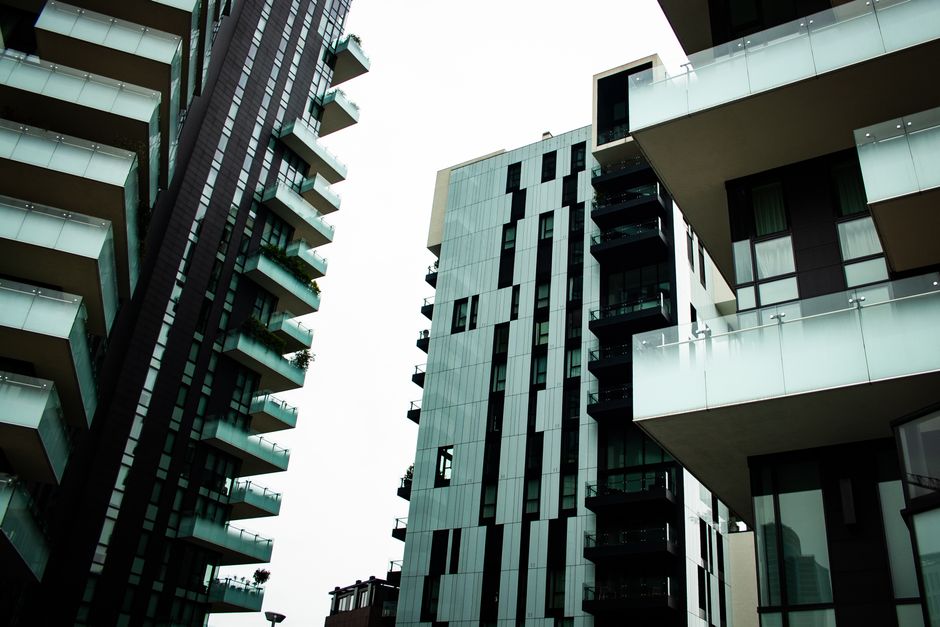
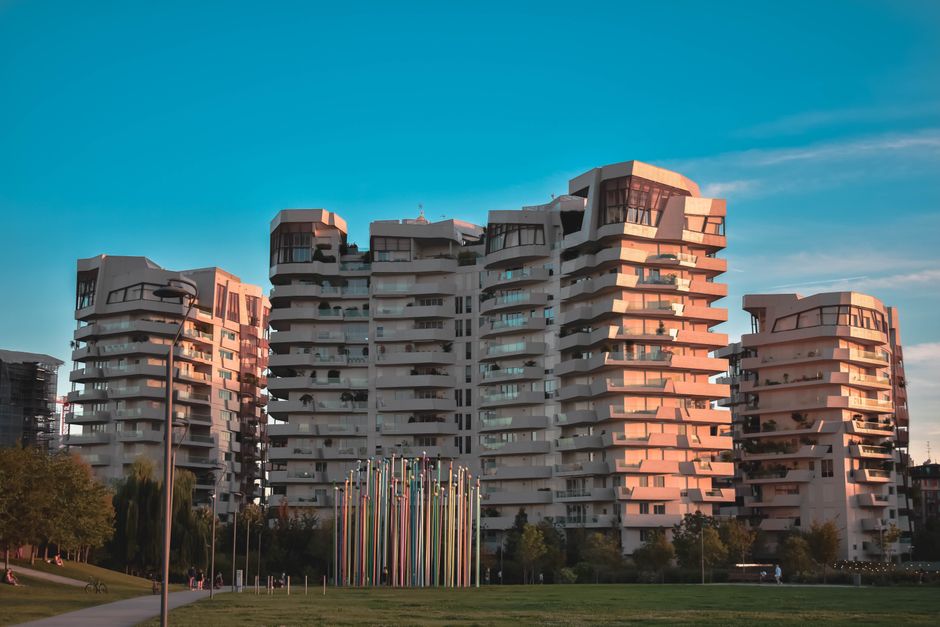
The transformation is particularly pronounced in Isola and Nolo, where carefully planned residential complexes are emerging alongside the area's thriving cultural identity. These neighbourhoods, which have reinvented themselves as creative hubs over the past decade, are now attracting serious residential investment. New apartment builds here typically start at €4,200-€4,800 per square metre, substantially below the city average of €5,000, while offering modern amenities that older stock in central areas cannot match.
What makes these projects especially meaningful for first-time buyers are the financing structures developers are now offering. Many major projects—including significant complexes near Via Torino and around Porta Nuova's expanding satellite areas—include vendor financing options with reduced deposit requirements and extended payment terms that align with Italy's first-home buyer incentive schemes. Combined with the government's continued tax relief for primary residence purchases, these mechanisms effectively lower the barrier to entry by 15-20 per cent compared to traditional mortgage routes.
The Isola neighbourhood, in particular, has emerged as a testing ground for this model. Once considered peripheral, it's now hosting mixed-use developments that blend residential, commercial and cultural spaces. Buyers securing units in these early phases benefit from appreciation as infrastructure around Garibaldi Station continues to evolve and new public transport connections mature.
Industry observers note that these projects also address a critical gap in Milan's housing supply. The city has historically underbuilt in the mid-market segment, forcing first-time buyers either to stretch into premium neighbourhoods or resign themselves to outdated apartments in less desirable areas. New developments offer a genuine third option: contemporary homes in neighbourhoods with genuine momentum.
For those beginning their property journey, the message is clear: the game isn't played in Brera anymore. Smart first-time buyers are looking to where the city is growing, where financing is accessible, and where long-term value is being built—not preserved. Milan's periphery has never looked more central.
This article was compiled by AI from the sources linked above and screened before publishing. See our editorial standards.