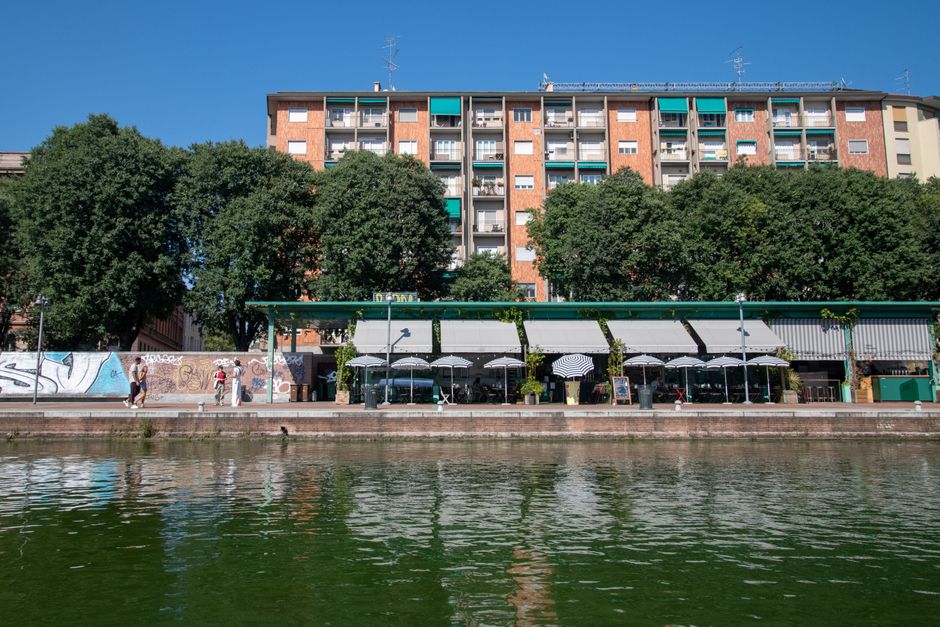
For decades, Lambrate has worn its working-class credentials like a badge. The neighbourhood stretching between Via Ventura and the Navigli Grande has been synonymous with artist studios, vintage workshops, and Milan's bohemian fringe—the place you went *after* you'd already made it in Brera or Porta Nuova.
Today, Lambrate is experiencing a quieter but far more significant transformation. Thanks to an intensifying focus on social housing mandates and mixed-income development models, this industrial quarter has become the city's most compelling investment story for forward-thinking developers and institutional investors alike.
The shift is measurable. While Milan's citywide average hovers around EUR 5,000 per square metre, Lambrate properties are trading at EUR 3,200–3,800/sqm—a 30% discount that attracts serious capital. Yet the neighbourhood is no longer a bargain basement. New social housing projects, particularly along Via Pestalozzi and around the regenerated Lambrate train station precinct, have injected institutional credibility and upward momentum.
The policy backdrop matters enormously. Milan's 2024 housing accord—requiring developers to allocate 10–15% of new residential space to social housing—has made Lambrate particularly attractive. The neighbourhood's mixed-use zoning and vacant industrial lots offer the scale and flexibility developers need to meet these obligations while maintaining margins. The Municipio 3 district council has actively welcomed mixed-income schemes that preserve the area's creative character while densifying responsibly.
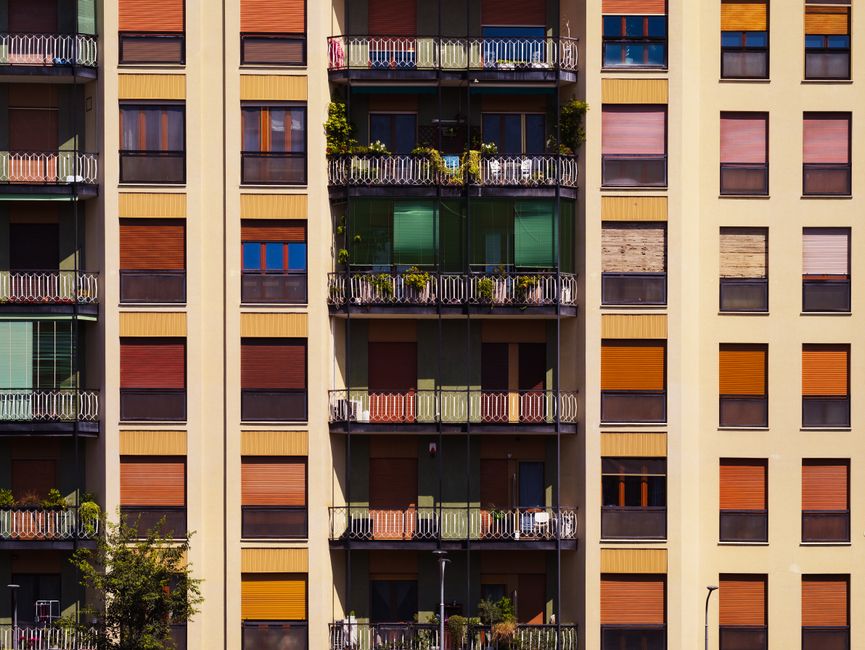
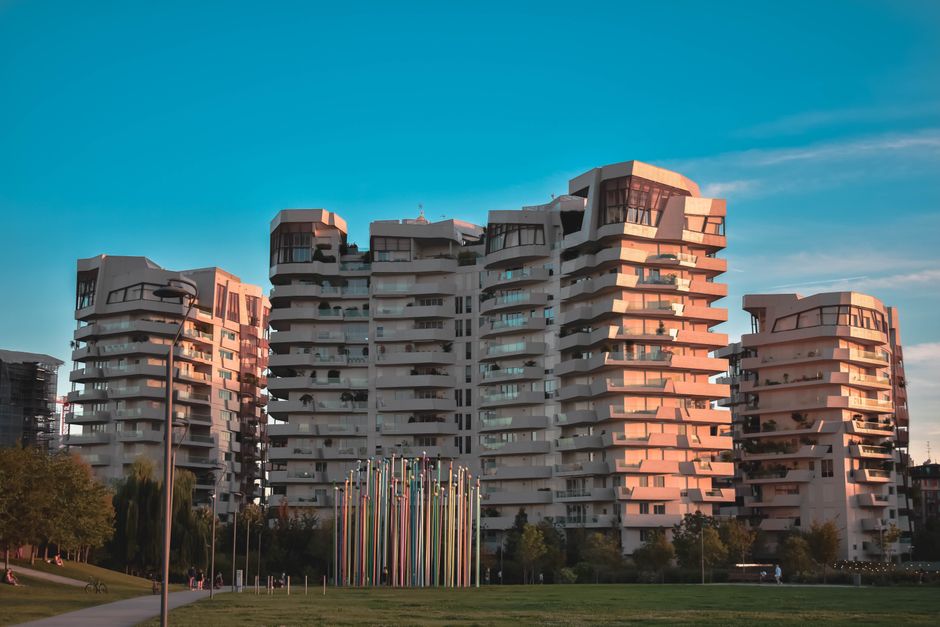
Real estate professionals point to recent completions like the Via Orobia social housing complex—143 units blending affordable rentals with market-rate units—as proof of concept. Such projects stabilise property values across the broader catchment, creating a halo effect that extends north toward Isola and south toward the Navigli.
The wildcard is cultural infrastructure. The Ansaldo district, historically home to the Ansaldo electrical works, is being repositioned as a creative hub. Galleries, design studios, and cultural venues are trickling in, much as they did in Porta Nuova twenty years ago. This organic gentrification, paired with explicit social housing commitments, is Lambrate's defining advantage over neighbourhoods that chased pure luxury.
For investors, the math is clear: buy into the shift before the market fully reprices it. For the city, Lambrate represents something rarer—a neighbourhood expanding its housing stock without displacing its soul. That's a story Milan's property market, long driven by fashion-house wealth and trophy apartments, is only just learning to tell.
This article was compiled by AI from the sources linked above and screened before publishing. See our editorial standards.