Milan's Luxury Developers Reshape the City: What's Behind the Wave of Prestige Projects
A cluster of high-end residential developments is transforming established neighbourhoods and redefining what premium property means in Italy's fashion capital.
A cluster of high-end residential developments is transforming established neighbourhoods and redefining what premium property means in Italy's fashion capital.
Milan's luxury property market is undergoing a quiet revolution. While the city's average price per square metre hovers around €5,000, a new generation of prestige projects is pushing selective neighbourhoods well beyond that baseline—and reshaping entire districts in the process.
The most visible transformation is occurring in Porta Nuova and Brera, traditionally Milan's power addresses. Here, developers are focusing less on sprawl and more on curated, amenity-rich environments that appeal to international fashion executives and wealth managers. Recent projects emphasise private gardens, wellness centres, and integrated cultural spaces rather than pure square footage. This represents a notable shift from the purely transactional approach that dominated the 2010s.
But the real story is happening in the city's rising peripheries. Isola and Nolo—once overlooked by serious money—are now attracting substantial capital. The area's proximity to the Navigli canal district, combined with its emerging café and gallery culture, has created an unexpected cache. New developments here are positioned as "emerging luxury," targeting younger industrialists and second-generation fashion family offices who view Brera prices as overheated.
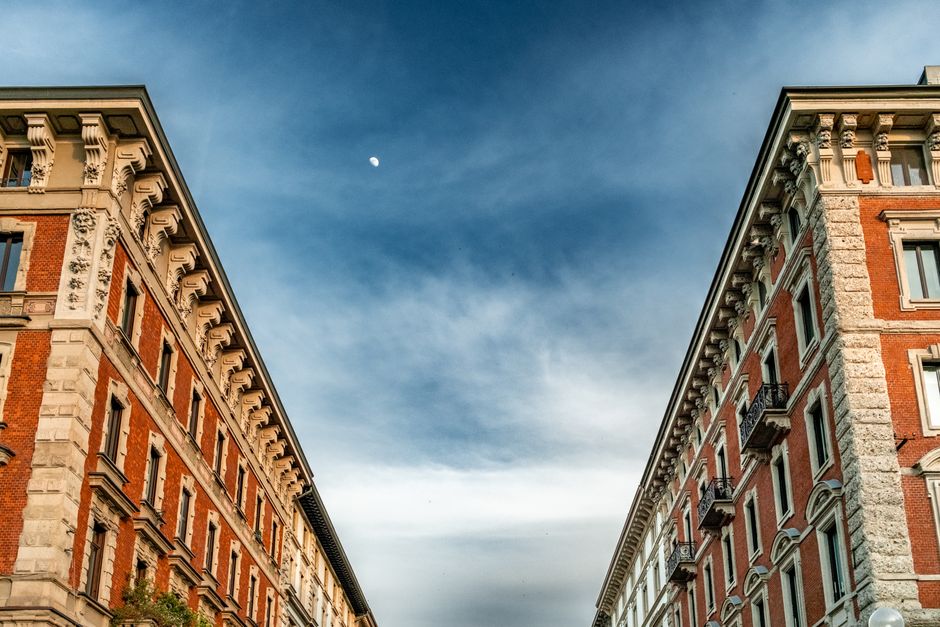
The Navigli itself remains Milan's trendiest destination, though market dynamics here are more complex. Developers face strict heritage regulations around the historic canals, forcing innovation in renovation rather than ground-up construction. This constraint has actually elevated property values: scarcity breeds premium pricing. Several corner palazzos currently undergoing sensitive restoration are expected to command €8,000–€10,000 per square metre upon completion—nearly double the city average.
What's driving this activity? Three factors converge. First, Milan's post-pandemic recovery proved deeper than expected; the fashion industry's 2024-2025 recovery brought renewed confidence. Second, international interest has intensified: buyers from London, Dubai, and Singapore view Milan as cheaper than comparable European cities while offering unmatched cultural credentials. Third, developers increasingly recognise that Milan's luxury buyer values neighbourhood ecosystem—not just the apartment itself.
The implications are significant. Areas like Isola risk rapid gentrification as new projects establish themselves. Property taxes and maintenance costs will inevitably rise. Meanwhile, traditional strongholds like Brera face potential consolidation, with older stock gradually replaced by fewer, more exclusive addresses.
By 2027, Milan's luxury landscape may look notably different. Not through radical transformation, but through deliberate, capital-driven curation. The question for existing residents and investors: is this evolution authentic renewal, or premium property repackaging?
This article was compiled by AI from the sources linked above and screened before publishing. See our editorial standards.
How does this story make you feel?
Spread the word
About this article
Published by The Daily Milan
Daily brief
Free, in your inbox before 7am. Weekdays.
More in Property