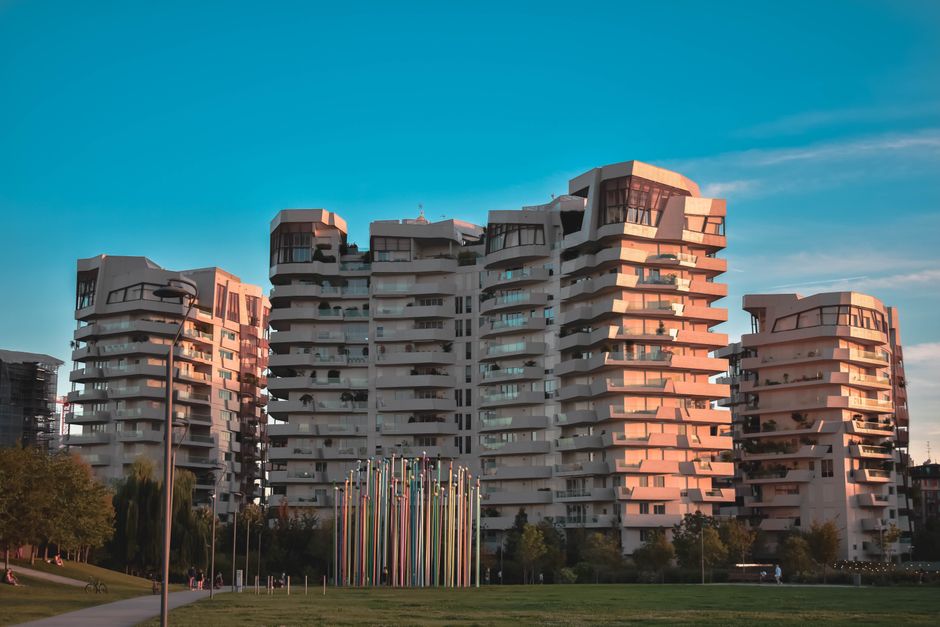
Five years ago, Isola was still the quiet cousin at Milan's property table. Today, it's the neighbourhood every investor is watching. Sitting north of the Navigli and east of Porta Nuova, this once-sleepy industrial enclave has transformed into a magnet for tenants, particularly young professionals drawn to Milan's booming tech and design sectors. The vacancy rate here now hovers around 4%—well below the city average of 7.2%—making it one of the tightest rental markets in Lombardy.
The numbers tell the story. Two-bedroom apartments on Via Torino or near the Monumental Cemetery are commanding €1,800–€2,200 monthly, up from €1,600 just eighteen months ago. Studio units, once a bargain at €900, now regularly fetch €1,100. For investors accustomed to the saturated Brera market or the premium-locked Porta Nuova corridor, Isola's yield spread—typically 4.2% gross rental return—is proving irresistible.
What's driving the exodus from Navigli's crowded bars and Nolo's Instagram-friendly cafés? Infrastructure. The opening of the expanded M2 metro service to Gessate, coupled with ongoing regeneration around Via Torino and the Garibaldi neighbourhood, has turned Isola into a genuine transit hub. The neighbourhood's creative class—architects, software engineers, copywriters—have discovered what locals always knew: shorter commutes to the fashion district, reasonable rents relative to amenities, and actual character.
New residential projects are cropping up along Via Ceresio and near the renovated industrial spaces. These aren't luxury conversions but well-priced, contemporary developments targeting the under-35 rental demographic. Landlords managing older stock in the area report near-instant tenant placement; turnovers that once took 60 days now happen in weeks.
For prospective tenants, the tightening market means competition is real. Furnished short-term rentals—increasingly common through platforms catering to corporate housing—are absorbing inventory, further compressing available units. Newcomers should expect requests for employment verification and deposits equivalent to 2–3 months' rent, standard by Milan standards.
The caveat: Isola's rise is neither hidden nor risk-free. As awareness spreads and institutional investors move in, the arbitrage window is closing. Those betting on Isola as a sub-€3,000/sqm acquisition opportunity may find themselves chasing prices that rival Nolo. Still, for landlords with medium-term horizons and tenants seeking genuine neighbourhood texture over status postcodes, Isola remains Milan's most compelling rental story of 2026.
This article was compiled by AI from the sources linked above and screened before publishing. See our editorial standards.