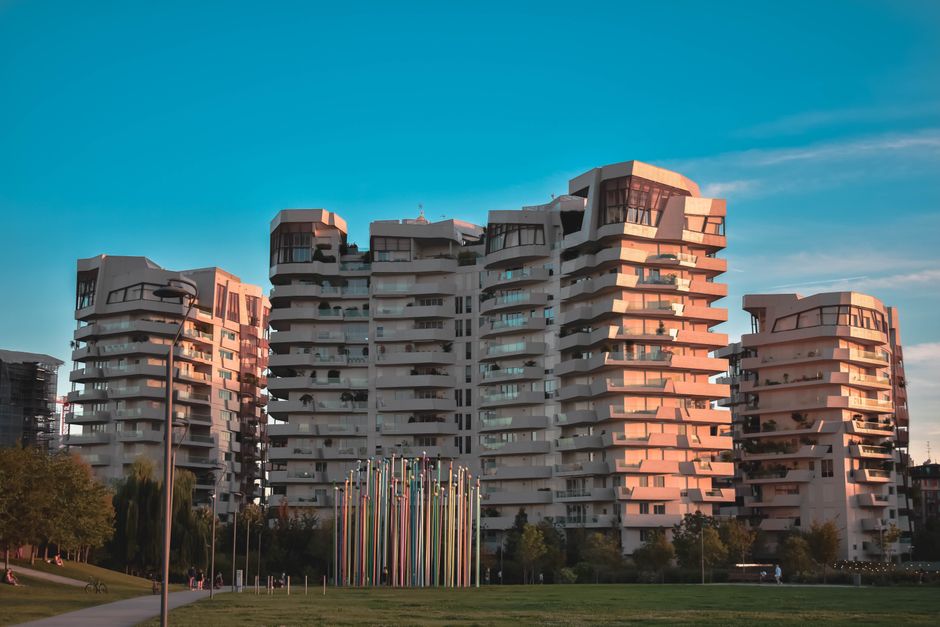
Milan's construction boom is rewriting the rules for everyone in the rental market. With over 12,000 new residential units approved or under development across the city—from the regenerated Isola district to emerging projects along the Navigli waterfront—the supply surge is creating genuine tension between landlords seeking returns and tenants searching for affordable homes.
The numbers tell a compelling story. Average rents in central Milan have plateaued around €18-22 per square metre annually, while new developments in Nolo and Isola command premium rates of €16-18 per sqm—a meaningful premium over older stock in traditional neighbourhoods. Yet vacancy rates, historically negligible in Milan, are creeping toward 3-4% in newly completed complexes, suggesting that even robust demand has limits.
For landlords, the implications are stark. A five-year investment cycle that once guaranteed double-digit returns is now compressed. Property investors who purchased off-plan units near Porta Nuova or along Via Torino in 2021 are finding that completion overlaps with market saturation. Rental yields, traditionally Milan's reliable 4-5% baseline, are compressing toward 3.2-3.8% in newly built stock, forcing seasoned investors to reconsider their exit strategies or accept longer leasing timelines.
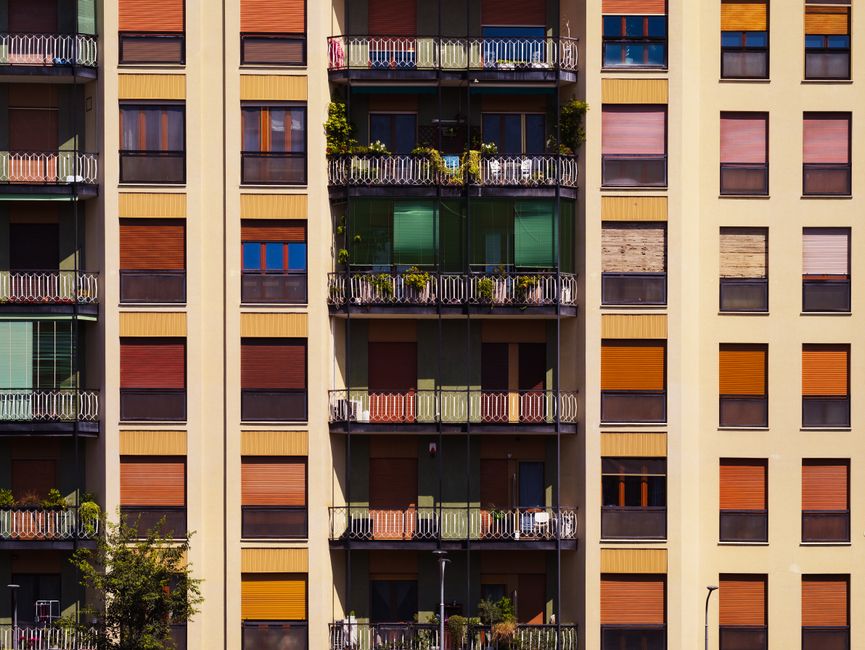
Tenants, meanwhile, enjoy rare leverage. New apartment blocks in Isola—districts like Garibaldi and Varesine—offer modern amenities, energy efficiency, and flexible lease terms that older landlords simply cannot match. This has accelerated a quiet exodus from rent-controlled legacy properties in Brera and Lambrate, where outdated infrastructure and stubborn owners have left stock effectively frozen. Young professionals and families increasingly expect smart-home technology, terraces, and proximity to public transit—amenities that new construction delivers, while pushing older rental stock toward depreciation.
Regulatory pressures compound the shift. Milan's 2024 housing affordability mandate—requiring 10-15% of new residential units in major projects to rent at controlled rates (€12-14 per sqm)—has reshaped developer calculations. Projects approved before the rule's implementation face cost pressure to comply retroactively, while newer proposals embed affordability into budgets from the outset. This has slowed approvals in some sectors but accelerated them in others, creating a fragmented market where location and timing determine outcome.
By late 2026, the contours are clear: landlords with older properties must modernise or accept lower yields; tenants in new buildings gain real choice for the first time in a decade; and developers are learning that Milan's market, however robust, rewards speed, design quality, and regulatory foresight over speculation.
This article was compiled by AI from the sources linked above and screened before publishing. See our editorial standards.