While Brera and Porta Nuova remain the city's undisputed luxury anchors, Milan's property cognoscenti are quietly reshaping the investment landscape south of the Navigli. Porta Romana—the neighbourhood anchored by the 15th-century basilica and bounded by Corso di Porta Romana and Via Torino—has emerged as the city's most dynamic emerging hotspot, attracting both developer capital and international institutional interest at an unprecedented scale.
The data tells a compelling story. Properties in Porta Romana now command an average of €5,800 per square metre, a sharp 12% increase over twelve months, according to local agency tracking. By contrast, Milan's broader average hovers around €5,000/sqm. Yet prices remain 25–30% below comparable Brera inventory, offering what property strategists term a "compression window"—the brief window before market parity.
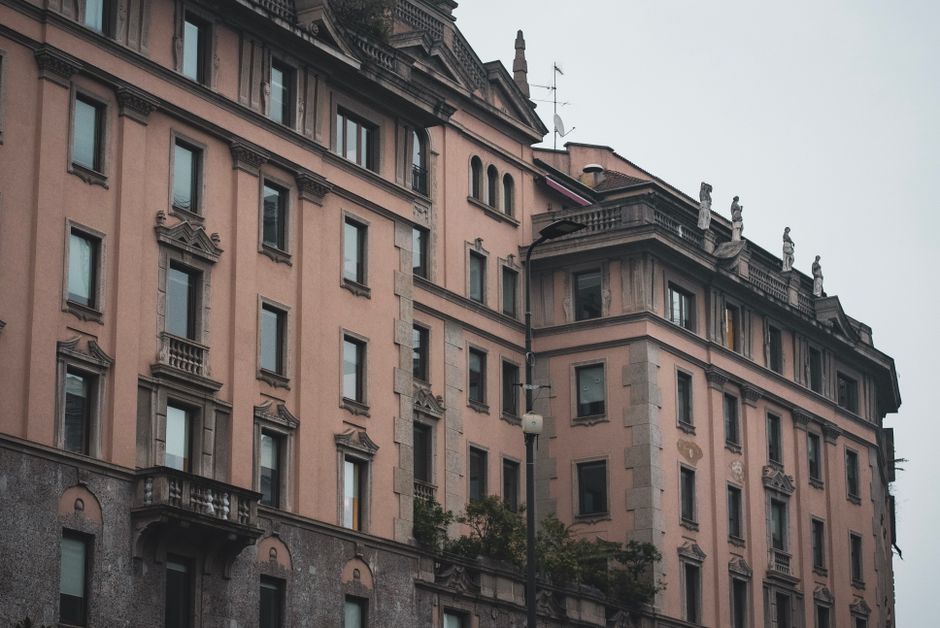
The neighbourhood's appeal centres on three converging factors. First, transport infrastructure: the M3 Metropolitana runs through Porta Romana, with Sant'Agostino and Porta Romana stations bookending major residential corridors. Second, heritage stock: the quartiere contains substantial late-19th and early-20th-century palazzi awaiting renovation, particularly along Via Nino Bixio and the quieter streets radiating from Piazza Sant'Agostino. Third, cultural density: the Fondazione Trussardi occupies the neighbourhood, alongside emerging galleries, independent bookshops, and the weekly Viale Bligny farmers' market.
Developer activity has accelerated markedly. Mid-sized firms are acquiring distressed period properties, combining regulatory incentives (Milan's ongoing building restoration subsidies) with adaptive reuse strategies—converting former industrial spaces into mixed-use residential-commercial complexes. One significant transaction in April saw a 2,800-sqm property on Via Torino sell for €16.2 million to an institutional buyer.
The fashion industry's gravitational pull hasn't hurt either. Design studios migrating from San Babila have established footholds around the Navigli borders, creating a peripheral-yet-connected appeal for professionals seeking authenticity without Brera's saturation premium.
Not every observer remains bullish. Local heritage groups worry about preservation amid rapid gentrification; long-term residents cite rising rents and changing character. The neighbourhood's south-facing exposure also means summer heat management remains a consideration for restoration architects.
Still, for property investors evaluating Milan's medium-term trajectory, Porta Romana represents the rare convergence of affordability, infrastructure, cultural momentum and structural supply constraints. The window is unlikely to remain open indefinitely.
This article was compiled by AI from the sources linked above and screened before publishing. See our editorial standards.