Milan's rental market has entered a new era of scarcity. Across desirable neighbourhoods from Brera to Navigli, vacancy rates hover below 2%, a figure that fundamentally shifts negotiating power away from renters and towards property owners. The consequences ripple through the city's residential landscape, reshaping how both parties approach tenancy agreements and long-term housing stability.
In premium zones like Porta Nuova and Brera, where average rents now exceed €800 per square metre annually, landlords face minimal pressure to negotiate terms. Properties listed on platforms serving the expat and corporate relocation market—vital to Milan's fashion and finance sectors—secure tenants within days. Yet this scarcity masks emerging tensions. Young professionals and families seeking stability in neighbourhoods like Isola and Nolo, where prices have risen 12% year-on-year, are increasingly squeezed out of the market or forced into short-term arrangements that offer minimal legal protection.
Property owners themselves navigate a paradox. While demand remains fierce, regulatory frameworks have tightened considerably. Italy's evolving tenant protection laws now require clearer documentation around maintenance responsibilities and rental increases—a shift from the informal agreements that once dominated Milan's rental sector. Landlords managing portfolios across multiple properties report increased administrative overhead, particularly around tax compliance and dispute resolution.
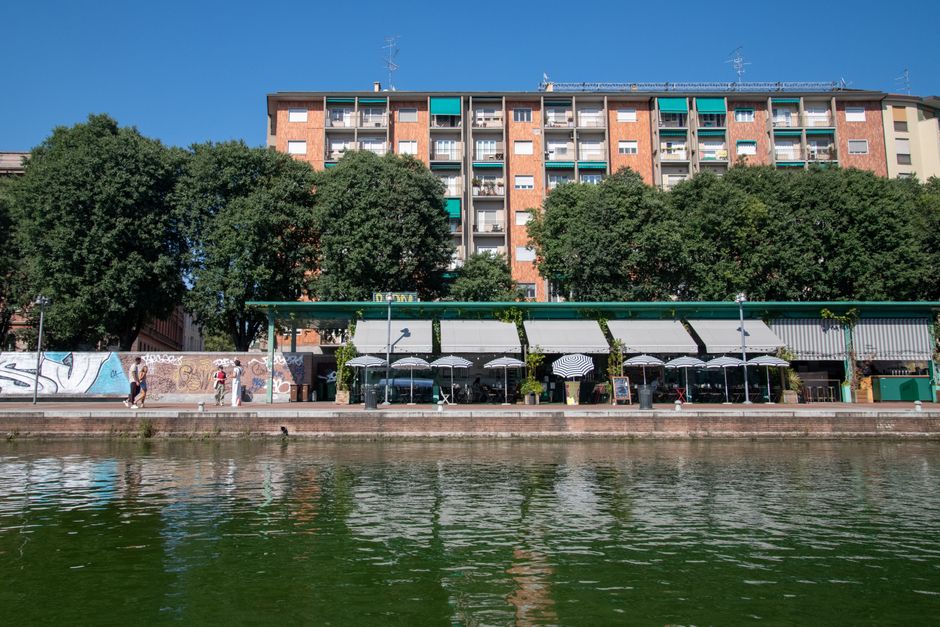
The Navigli district exemplifies these dynamics. Once considered edgy and affordable, waterfront streets now command premium rates, attracting international investors and institutional landlords. Individual property owners competing with corporate operators report difficulty retaining tenants long-term, as renters prioritise flexibility over loyalty in a market where moving options have proliferated.
Industry organisations like FIAIP (Federazione Italiana Agenti Immobiliari) have noted growing demand for managed rental platforms that formalise agreements and reduce friction. These services appeal to both parties: landlords gain legal certainty, tenants receive transparent contracts and dispute resolution mechanisms.
The real pressure points emerge at mid-market: properties renting between €1,500–€2,500 monthly across Lambrate, Porta Romana, and emerging zones. Here, tenant turnover accelerates as renters seek either cheaper alternatives or investment in ownership. Landlords in these areas report longer vacancy periods despite robust overall demand—a sign that the market's tightness masks underlying segmentation.
For Milan's rental future, the trajectory remains clear: structural supply constraints will persist as conversion costs and regulatory compliance inflate landlord expenses. Tenants must adapt by securing agreements early, building longer-term relationships with landlords, and exploring emerging co-living models gaining traction in Isola. The next 12 months will likely crystallise whether Milan's rental market matures toward institutionalised stability or fragments further into distinct classes of supply.
This article was compiled by AI from the sources linked above and screened before publishing. See our editorial standards.