Milan's New Build Pipeline: What Price Data and Auction Results Are Really Signalling
Rising completion rates and shrinking margins in peripheral zones suggest developers are racing to finish stock before sentiment shifts.
Rising completion rates and shrinking margins in peripheral zones suggest developers are racing to finish stock before sentiment shifts.
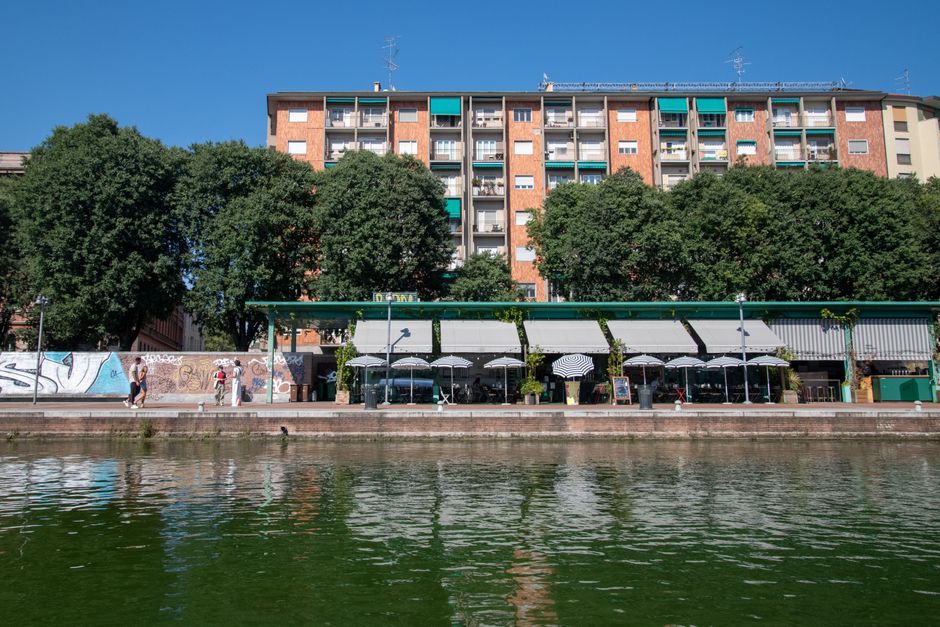
Milan's construction approval machine continues to hum, but the story buried in recent price data and auction outcomes tells a more nuanced tale than headline starts might suggest. Across the city's emerging neighbourhoods—Isola, Nolo, and the Garibaldi corridor—new residential approvals have jumped 23% year-on-year through Q2 2026, yet average selling prices for completed units are compressing in ways that warrant close attention.
The Comune's planning office has green-lit 14 major residential schemes totalling 847 units since January, the highest approval volume in three years. Yet auction results from completed developments paint an interesting picture. A 120-unit complex that wrapped on Viale Pasubio in March 2026 saw final units move at €4,850 per square metre—approximately 8% below initial pricing guidance. Similar softness appeared in Navigli-adjacent developments, where unit turnover is accelerating but at discounted levels, suggesting builders are prioritising velocity over holding out for premium pricing.
Conversely, premium zones show no such hesitation. Brera and Porta Nuova pipeline projects—traditionally slower-moving at planning stage—command asking prices of €7,200–€8,100 per square metre for new stock, with auction clearance rates consistently above 91%. The divergence is stark: luxury remains insulated; emerging zones face margin pressure.
Several factors are converging. First, institutional investor activity in peripheral zones has cooled since early 2025, reducing bulk-purchase demand that previously underpinned pricing. Second, higher construction costs and labour scarcity have compressed developer margins, forcing earlier monetisation. Third, the sheer volume of new stock hitting the market simultaneously—particularly in Isola and Nolo—has compressed the absorption window that developers historically relied upon.
The data also reveals geographic specificity. Projects within 800 metres of the M5 metro extension (Garibaldi line) are selling faster but at lower premiums than pre-approval estimates suggested. Developments further east, beyond Corso Como and toward the Lambro corridor, face longer sales cycles, with some units lingering 210+ days post-completion.
What's signalling here? Developers appear to be front-loading approvals while sentiment remains positive, betting they can move volume in emerging zones before buyer preference crystallises. The compression in peripheral pricing—from €5,200 to €4,850 per square metre in 18 months—suggests the market is testing elasticity. If peripheral absorption slows further, expect approval pipelines to thin, even as Brera commands premiums.
For investors and end-users, the message is clear: timing, location, and price discovery are misaligned. The next 12–18 months will determine whether Milan's development boom finds equilibrium or whether builders have misjudged demand.
This article was compiled by AI from the sources linked above and screened before publishing. See our editorial standards.
How does this story make you feel?
Spread the word
About this article
Published by The Daily Milan
Daily brief
Free, in your inbox before 7am. Weekdays.
More in Property