Milan's Luxury Blueprint: How New Developments Are Reshaping the City's Most Coveted Postcodes
From Porta Nuova to Isola, ambitious projects are redefining what premium property means in a city where fashion meets real estate.
From Porta Nuova to Isola, ambitious projects are redefining what premium property means in a city where fashion meets real estate.
Milan's luxury property market has entered a transformative phase. With new development projects reshaping neighbourhoods across the city, investors and affluent residents are reassessing what "prestige" means in 2026—and where they're willing to plant roots.
The figures tell a compelling story. While Milan's average price per square metre hovers around €5,000, developments in established prestige zones like Brera and Porta Nuova continue commanding €8,000-€12,000 per sqm. Yet the real momentum is coming from emerging areas. Isola and Nolo, once overlooked, are experiencing a fundamental shift as mixed-use developments combine residential space with cultural venues and hospitality offerings. This diversification appeals to a new cohort of luxury buyers—not merely wealthy, but seeking lifestyle integration rather than isolation.
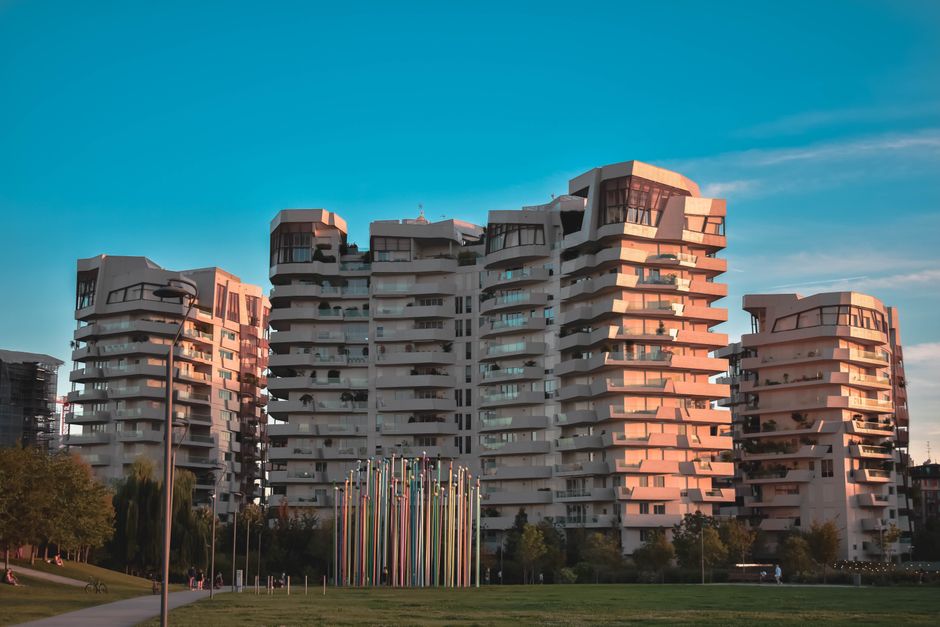
Several flagship projects are driving this evolution. Regeneration initiatives around the Navigli district have catalysed boutique residential towers that harmonise canal-side heritage with contemporary design. Developers are increasingly marketing these spaces not as standalone apartments, but as integrated communities with curated retail, artisanal workspaces, and gallery spaces—reflecting Milan's DNA as a creative capital.
What distinguishes current developments from earlier booms is intentionality around neighbourhood character. Projects are no longer simply adding density; they're anchoring cultural institutions, preserving industrial architecture, and creating public-private spaces that enhance surrounding areas. This approach, while requiring significant upfront investment, has proven to sustain long-term value and attract international buyers—particularly from fashion, design, and finance sectors.
The fashion industry's continued prominence underpins demand. Major fashion houses maintaining headquarters in Milan ensures a constant influx of executives seeking premium accommodation. Recent developments near the Quadrilatero d'Oro have acknowledged this by incorporating design studios, showroom spaces, and private meeting facilities within residential complexes.
However, developers face a paradox: balancing luxury exclusivity with the public realm integration that increasingly defines prestige. Successful projects demonstrate that gated enclaves are losing appeal; instead, transparent ground floors, accessible amenities, and neighbourhood contribution are becoming markers of true luxury.
For investors monitoring Milan's market, the message is clear: location remains paramount, but development philosophy matters equally. Projects demonstrating thoughtful urban integration, cultural sensitivity, and lifestyle innovation are commanding premiums that justify their elevated price points. As Milan evolves beyond its status-symbol property reputation, buyers are discovering that the most coveted addresses aren't those that exclude the city—they're those that enhance it.
This article was compiled by AI from the sources linked above and screened before publishing. See our editorial standards.
How does this story make you feel?
Spread the word
About this article
Published by The Daily Milan
Daily brief
Free, in your inbox before 7am. Weekdays.
More in Property