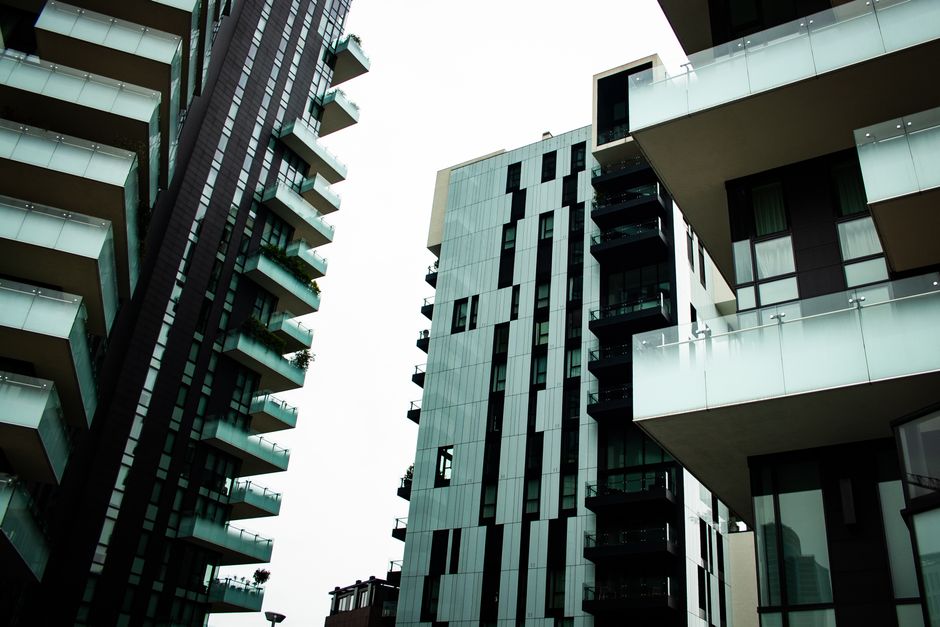
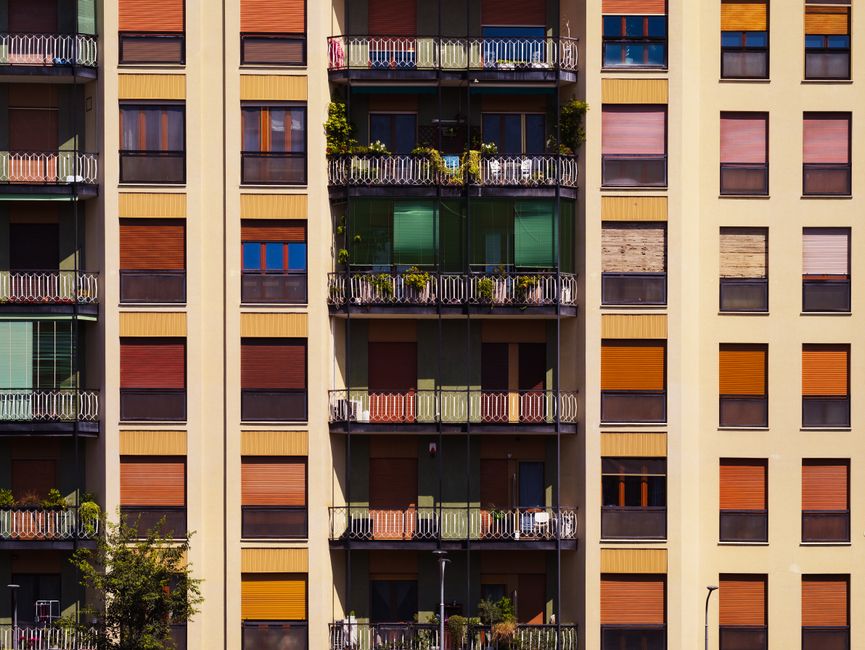
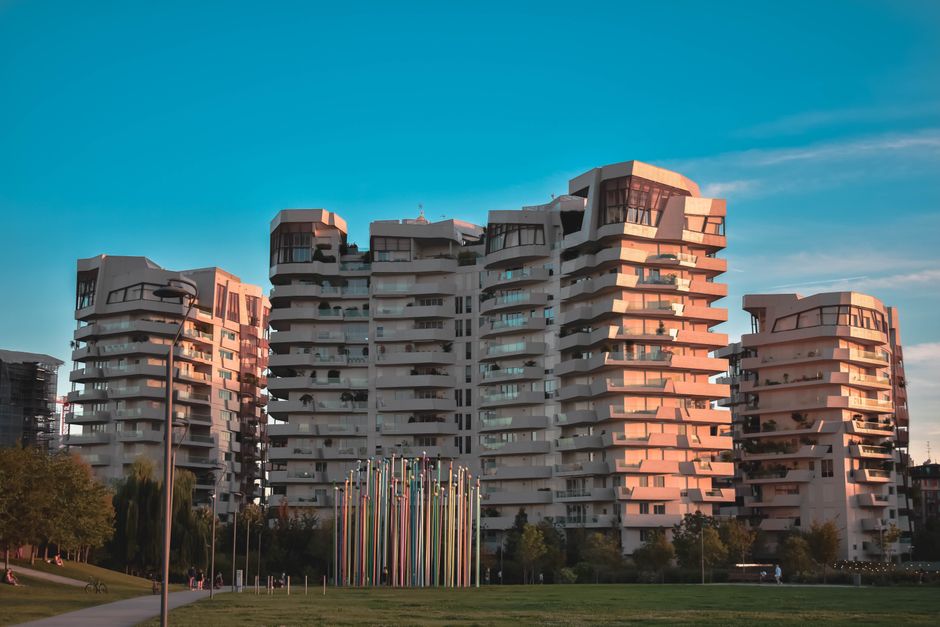
Milan's property market has long been a fortress for established owners, but a quiet shift is underway. Across emerging neighbourhoods—particularly Isola, Nolo, and the Canal Belt regeneration zones—new development projects are creating entry points for first-time buyers that didn't exist five years ago.
The traditional Milan pathway sees first-home buyers priced out of Brera and Porta Nuova, where square-metre rates hover near €8,000–€10,000. Instead, savvy purchasers are pivoting eastward. In Isola, where Via Torino development corridors and the emerging creative hub around Centrale station are attracting younger professionals, new builds are launching at €5,500–€6,500 per square metre. That €200,000 budget suddenly stretches further—especially when combined with regional first-buyer incentives.
Lombardy's first-home buyer scheme, administered through regional banking partners, typically covers 3–5% of purchase costs for properties under €500,000 in designated growth areas. New developments often qualify, as they meet energy-efficiency thresholds (A4 rating minimum) that unlock additional grants. Several projects in Nolo—the neighbourhood experiencing perhaps Milan's sharpest trajectory shift—feature developer financing packages that defer 20–30% of payments until completion, easing upfront capital demands.
The strategic logic is compelling. New developments offer transparent pricing, standardised layouts, and integrated services—amenities typically absent from older Milan stock. A first-time buyer acquiring a 65-square-metre unit in an Isola new-build might pay €325,000–€375,000, versus €450,000–€500,000 for equivalent age-worn space in Brera. Over a 25-year mortgage, that differential is substantial.
Yet context matters. The Navigli district's gentrification has driven prices upward in adjacent zones. Nolo and Isola aren't insulated from this pressure—they're leading it. Properties in areas surrounding Viale Monza and the emerging cultural venues near Giardini Pubblici appreciate briskly. A first-home buyer entering now isn't chasing a bargain; they're capturing early-stage appreciation in neighbourhoods poised for mainstream recognition.
For those navigating this landscape, professional guidance proves essential. Milan's Chamber of Commerce offers buyer advisory services, and the Italian Banking Association maintains updated lists of institutions offering first-buyer products. Many developers also partner with mortgage brokers specialising in new-build finance.
The takeaway: new developments in Isola, Nolo, and the broader eastern regeneration belt represent the realistic entry point for Milan's next generation of homeowners. Grants exist, finance is available, and neighbourhoods are genuinely transitioning. The window won't stay open indefinitely.
This article was compiled by AI from the sources linked above and screened before publishing. See our editorial standards.