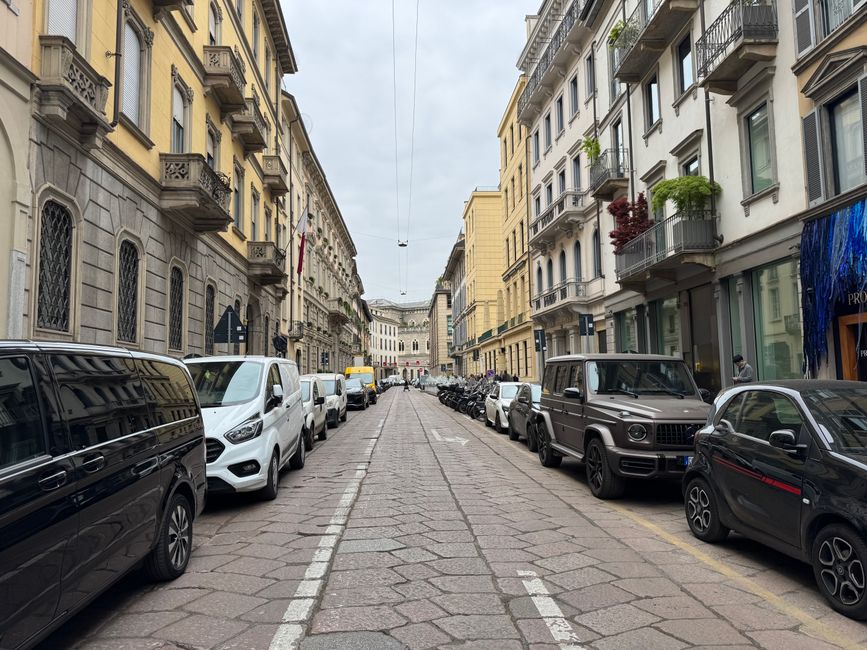
While Brera commands EUR 8,000 per square metre and Navigli attracts Instagram-hungry buyers at similar prices, Lambrate—Milan's gritty eastern quarter—is quietly becoming the city's most compelling rental investment proposition. Property yields here are reaching 4.2–4.5%, nearly double the Porta Nuova average, as the neighbourhood sheds its industrial past and attracts creative professionals fleeing saturated central districts.
The transformation is tangible. Via Ventura, once lined with metalworking factories, now hosts design studios, concept galleries, and co-working hubs. The arrival of major fashion and furniture brands establishing ateliers here—drawn by lower rents and authentic creative infrastructure—has catalysed investor interest. Current asking prices hover around EUR 4,200–4,800 per square metre for residential units, significantly below the EUR 5,000 Milan average, yet rental demand is intensifying as young professionals prioritise proximity to employment over postcode prestige.
Local agents report strong acquisition interest from small portfolio investors, particularly in refurbished apartments along Via Golgi and Via Mecenate. A two-bedroom flat renting for EUR 900–1,100 monthly—typical in Lambrate—now yields 4.3% on a EUR 250,000 purchase, compared to 2.8–3.1% in established neighbourhoods. This spread matters for landlords building leverage-based portfolios.
The Lambrate Navigli Business Association and city planners have formalised the creative district strategy, with planned improvements to metro connectivity and public spaces reinforcing long-term appeal. Proximity to the Politecnico di Milano campus—just south in Città Studi—also ensures consistent demand from graduate tenants seeking authentic, affordable neighbourhoods.
For landlords considering Lambrate, realism is essential. The neighbourhood's artistic edge attracts younger renters with correspondingly higher churn; property management must be active, not passive. However, the rise of furnished micro-apartments and co-living arrangements is opening alternative revenue streams that central zones, locked into traditional tenancies, cannot easily exploit.
The financial logic is straightforward: Lambrate offers entry pricing 15–20% below Milan's core, rental yields 150+ basis points higher, and genuine demographic momentum. In a city where premium neighbourhoods face saturation, the emerging design quarter represents the rare convergence of capital appreciation potential and immediate income generation. For investors balancing yield and growth, Lambrate's window of advantage may narrow as market recognition spreads.
This article was compiled by AI from the sources linked above and screened before publishing. See our editorial standards.