Milan's Luxury Market Pivots as Zoning Reforms Reshape Premium Neighbourhoods
New planning regulations around heritage protection and mixed-use development are fundamentally rewriting where Milan's ultra-high-net-worth buyers are investing.
New planning regulations around heritage protection and mixed-use development are fundamentally rewriting where Milan's ultra-high-net-worth buyers are investing.
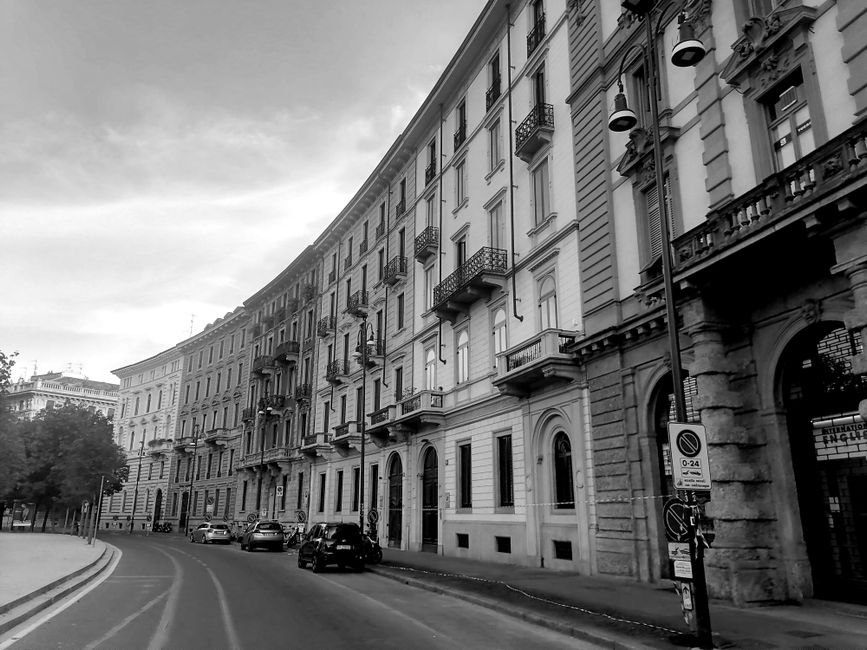
Milan's luxury property market has long orbited around Brera and Porta Nuova, where penthouses regularly breach €8,000 per square metre. But a series of municipal planning decisions implemented over the past 18 months is quietly reshuffling the city's prestige geography, with ripple effects now visible across transaction patterns and asking prices.
The catalyst: stricter heritage conservation policies introduced by the Comune di Milano in late 2024, combined with new zoning amendments that incentivise residential-commercial hybrids in historically underutilised zones. The changes were designed to protect Milan's architectural identity while encouraging sustainable urban density—but for developers and agents working the luxury segment, the implications are profound.
Traditional strongholds have felt the squeeze. Properties in Brera's core—particularly along Via Brera and the streets flanking Pinacoteca di Brera—now face enhanced restrictions on façade alterations and interior reconfiguration, directly limiting the bespoke renovation possibilities that ultra-luxury buyers expect. Average asking prices in the neighbourhood have softened slightly, from €7,500 to €7,200 per square metre year-on-year, according to local market trackers.
Conversely, Navigli and the emerging Isola-Nolo corridor have attracted fresh institutional and private capital seeking planning flexibility. The Navigli zone's new mixed-use framework—which permits ground-floor commercial alongside upper-floor residential—has unlocked development potential along the canals themselves. Properties here now command €5,800–€6,500 per square metre, up 12 per cent since policy implementation, as buyers recognise both scarcity value and planning upside.
Porta Nuova remains the luxury flagship, insulated by its already-stratified status and limited intervention scope. But even here, developers report longer approval timelines for high-end conversion projects, pushing some clients toward established penthouses rather than bespoke renovations.
The fashion industry—historically the bedrock of Milan's ultra-luxury demand—is adapting tactically. Rather than acquiring trophy properties for corporate housing, several major luxury groups have shifted focus toward mixed-use investments in Isola and the Porta Romana periphery, where planning permissions align with emerging neighbourhood prestige without the regulatory complexity of central Milan.
Real estate specialists suggest the market correction is healthy, dispersing demand beyond historically monopolised zones. Yet for buyers seeking immediate, unrestricted ownership of Milan's most storied addresses, the message is clear: planning policy now prices the privilege of heritage neighbourhoods at a premium.
This article was compiled by AI from the sources linked above and screened before publishing. See our editorial standards.
How does this story make you feel?
Spread the word
About this article
Published by The Daily Milan
Daily brief
Free, in your inbox before 7am. Weekdays.
More in Property