Milan's New Developments Are Reshaping Yields: What Smart Landlords Need to Know
As major regeneration projects transform neighbourhoods from Isola to Porta Nuova, savvy investors are repositioning portfolios to capture emerging rental premiums.
As major regeneration projects transform neighbourhoods from Isola to Porta Nuova, savvy investors are repositioning portfolios to capture emerging rental premiums.
Milan's property landscape is undergoing a seismic shift. While the city's established luxury strongholds—Brera, Porta Nuova, and the Navigli—command premium yields around 3–3.5%, the real opportunity lies in understanding how new development corridors are rewriting neighbourhood economics. For landlords seeking sustainable returns, the lesson is clear: anticipate, don't follow.
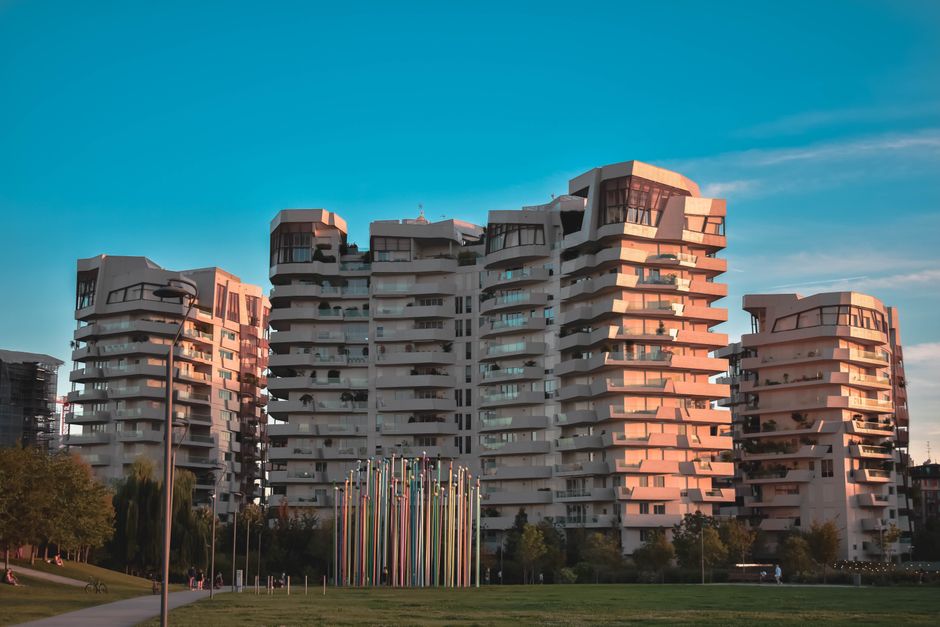
The Isola district exemplifies this dynamic. Once overlooked, this former industrial quarter north of the Garibaldi station has emerged as a hotbed for mixed-use development. Major urban regeneration initiatives, including office conversions and residential refurbishments along Via Torino and Viale Pasubio, have already lifted average rental yields to 3.8–4.2%—above the Milan citywide average of 3%—while maintaining strong tenant demand from both young professionals and creative sector workers. Properties within 500 metres of these development zones have appreciated approximately 12–15% over the past three years.
Similarly, the Nolo (North Lodi) corridor, anchored by via Melchiorre Gioia and the regenerated Centrale Montemartini creative hub, is attracting institutional investors and long-term renters. Here, new residential stock aimed at the 25–40 demographic commands rents of EUR 16–20 per square metre monthly—a 6–8% improvement from five years ago. Proximity to Lambro Park and the emerging food-and-design venue cluster has become a genuine rental multiplier.
What does this mean for landlords? First, timing matters enormously. Properties acquired before major infrastructure announcements—rail extensions, cultural facilities, or commercial anchors—typically deliver superior capital appreciation. Second, understanding tenant composition is critical. Developments targeting creative industries or international talent pools generate higher rents and lower vacancy rates than commodity residential stock. Third, neighbourhood lifecycle management is essential; investors should monitor municipal planning calendars and chamber of commerce initiatives.
The Milan real estate market data from Nomisma and Immobiliare.it reveal a clear pattern: districts experiencing organised cultural programming, improved public transport, or clustering of specific industries (fashion tech, biotech, design) outperform broader market trends by 200–300 basis points in yield.
For landlords considering fresh capital deployment, the advice is unambiguous: study the plans, not the postcodes. The EUR 5,000 per square metre Milan average masks extraordinary variance. New development projects aren't merely reshaping skylines—they're recalibrating where rental income concentrates. Investors who position ahead of these shifts will capture sustainable yield improvements for the decade ahead.
This article was compiled by AI from the sources linked above and screened before publishing. See our editorial standards.
How does this story make you feel?
Spread the word
About this article
Published by The Daily Milan
Daily brief
Free, in your inbox before 7am. Weekdays.
More in Property