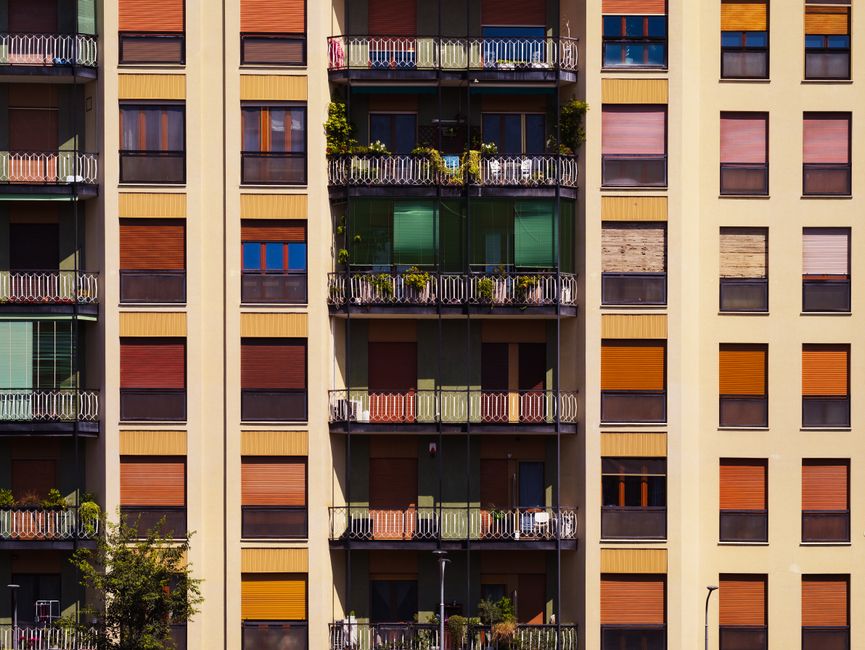
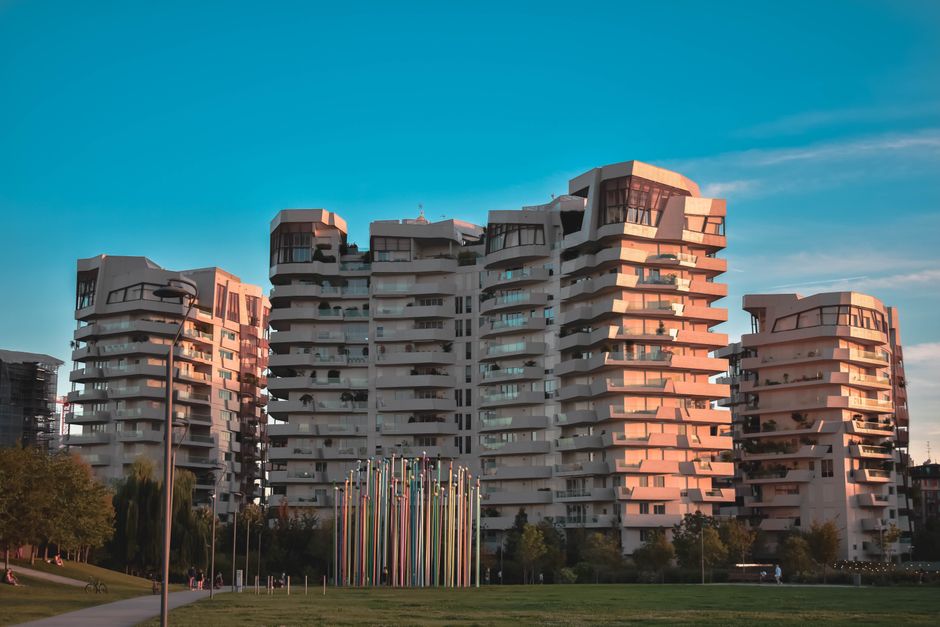
For years, Lambrate existed in the shadow of Milan's glossier postcodes. While Brera commanded €7,500 per square metre and Navigli's waterfront penthouses broke records, this former industrial quarter east of the Duomo remained a working-class refuge for artists' studios and cheap studio space. That narrative is shifting—and fast.
Property data from the first half of 2026 shows Lambrate prices climbing 12–15% year-on-year, with average values now hovering around €4,200–€4,800 per square metre. While still below Milan's €5,000 city average, the trajectory is unmistakable. Young professionals, creative entrepreneurs, and savvy investors are betting that Lambrate—anchored by the revitalised Via Gattamelata corridor and the emerging cultural hub around Fuorisalone design venues—represents the next frontier for Milan's property cycle.
The neighbourhood's appeal lies partly in pragmatism. A 65-square-metre apartment near Piazza Loreto costs roughly €280,000–€320,000 today; equivalent space in Porta Nuova or Brera would exceed €450,000. That 40% price differential is driving genuine demand, especially among first-time buyers and remote workers who no longer need to be steps from the Duomo.
But economics alone don't explain the shift. Lambrate's cultural momentum is real. The annual Salone del Mobile overflow events, coupled with independent galleries, craft breweries, and vintage concept stores clustered along Via Ventura and the surrounding streets, have attracted a younger demographic. The Lambrate neighbourhood association and organisations like BASE Milano—the former Ansaldo factory now a creative collective—have successfully repositioned the area as authentically innovative rather than merely affordable.
Developers are taking notice. Conversion projects targeting former warehouses along Via Gattamelata and Via Privata Fratelli Gabba promise loft-style apartments with high ceilings and exposed brick—the formula that worked in Brooklyn and is proving equally magnetic here. Units in these schemes are pre-selling briskly at €5,200–€5,600 per square metre.
The risk, of course, is familiar to any property cycle: gentrification that prices out the creative class that made the neighbourhood interesting in the first place. As Lambrate's reputation hardens, rents on smaller studios have already climbed 8–10% this year alone.
For investors with a two- to three-year horizon, however, Lambrate represents compelling value. The infrastructure is solid—Lambrate metro station connects directly to Duomo in eight minutes—and the cultural credentials are no longer borrowed from neighbouring Navigli. This is Milan's east side reclaiming its story. The question is whether affordability can survive the success.
This article was compiled by AI from the sources linked above and screened before publishing. See our editorial standards.