Milan's rental market is entering a critical phase. With several large-scale residential projects breaking ground across the city, vacancy rates are fluctuating in ways that could fundamentally reshape where professionals, families, and creative workers choose to live. For renters navigating this landscape, understanding these shifts is essential.
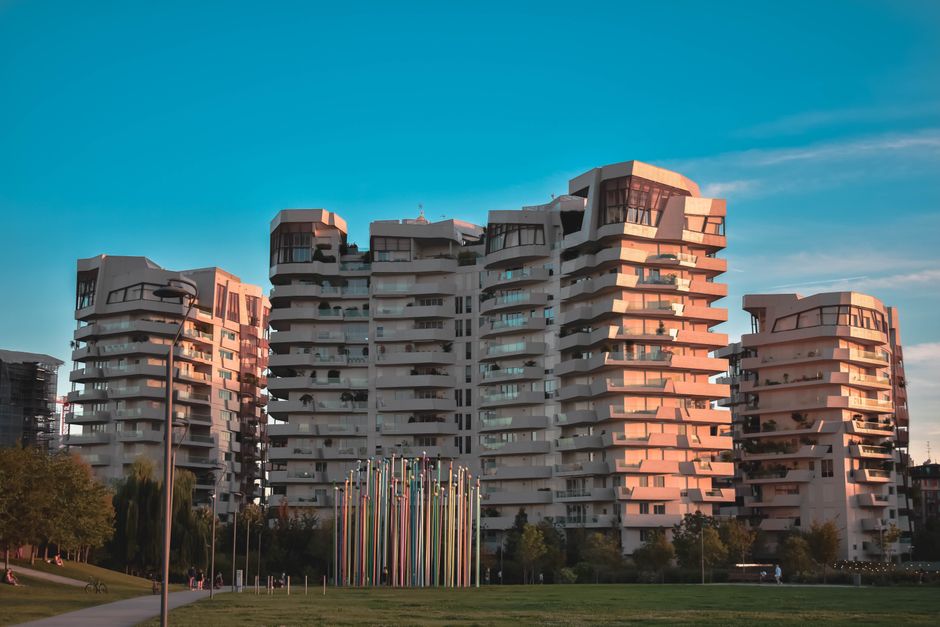
The most significant catalyst is the ongoing transformation of former industrial zones. In Isola—long Milan's most dynamic emerging neighbourhood—new residential complexes are rising along Via Raffaello Sanzio and near the Bosco Verticale influence. These developments are injecting approximately 800 new units into the market, which should theoretically ease pressure on a neighbourhood where rents have climbed 15–20% over the past three years. Yet the inverse is happening: as premium new stock arrives, older properties command higher rates, squeezing mid-range renters. Current Isola averages hover around EUR 6,200/sqm annually, with new developments starting at EUR 8,000+.
Porta Nuova's evolution tells a similar story. The ongoing Porta Nuova renewal projects near Garibaldi Station continue to attract major investors, with completion timelines pushing into 2027. This is temporarily tightening availability—vacancy rates in the area sit at approximately 4–5%, well below Milan's broader average of 8–9%. Tenants should expect fierce competition and upfront demands for guarantees through intermediaries like Nomisma or specialised rental agencies.
Conversely, Nolo and the Navigli corridor show more balanced markets. New mixed-use developments along the Navigli canals—particularly around Porta Genova—are introducing approximately 600 rental units with flexible lease terms. Here, vacancy rates hover closer to 7–8%, offering renters genuine negotiating power. Monthly rents average EUR 5,500–6,000/sqm, making these neighbourhoods increasingly attractive for those priced out of Brera or San Babila.
The Milan Chamber of Commerce reports that new developments typically include modern amenities—smart home systems, shared workspaces, bike facilities—that older stock cannot match. This creates a bifurcated market: premium new units absorbing wealthy tenants, leaving secondary properties facing competition for middle-income renters.
For prospective tenants, the strategy is clear. If you're flexible on location, neighbourhoods experiencing new development—particularly Isola and Nolo—offer the most stable long-term prospects. Monitor completion timelines; many projects deliver units between autumn 2026 and spring 2027, potentially softening vacancy rates. Use platforms like Immobiliare.it and Airbnb's long-term listings, but always verify through established agencies. As Milan's skyline reshapes, so does the rental game.
This article was compiled by AI from the sources linked above and screened before publishing. See our editorial standards.