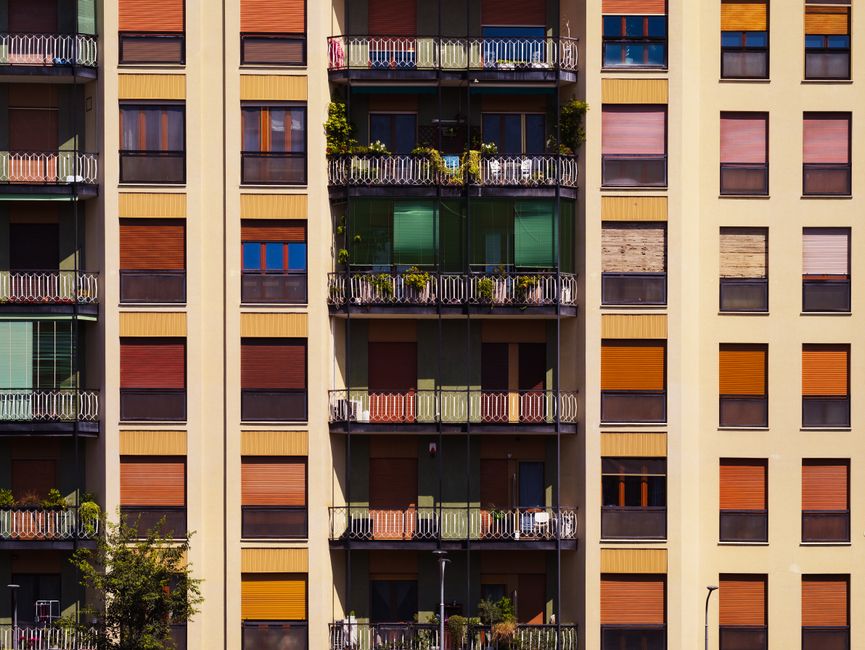
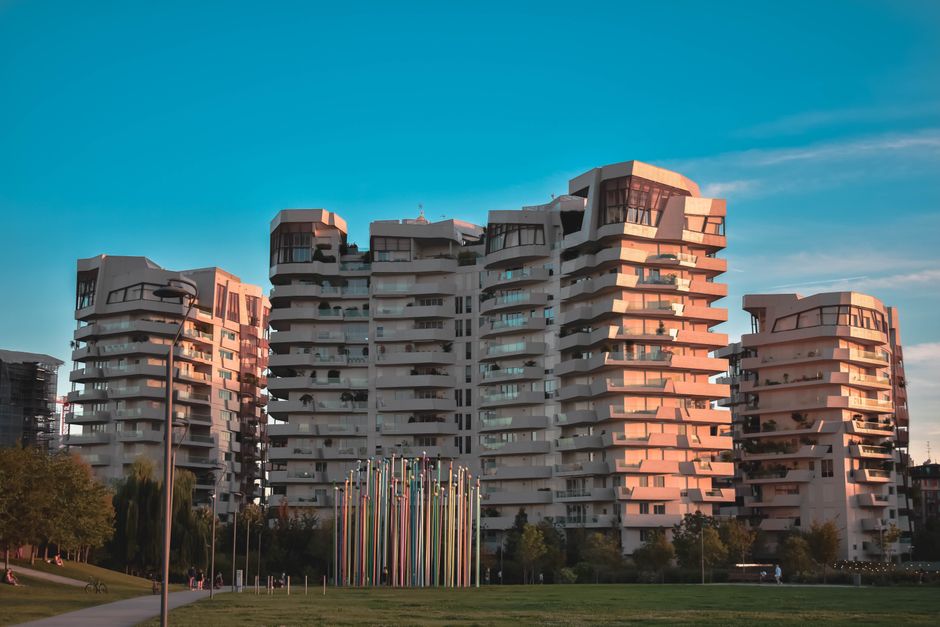
For decades, Lambrate was Milan's invisible neighbour—a gritty cluster of railway yards, defunct factories, and affordable rentals that visitors passed through en route to somewhere else. Today, it's becoming the city's most watched housing corridor, with social housing operators, developers, and savvy investors treating it as the last frontier of accessible urban living.
The shift is tangible. While Brera apartments command €8,500 per square metre and Navigli lofts hover near €7,000, Lambrate still averages €3,200–€3,800 per sqm. But those margins are closing fast. In the past eighteen months, mixed-income projects along Via Mecenate and around the Lambrate train station have attracted €185 million in combined investment, according to local real estate analysts tracking the zone's revival.
The catalyst? City-backed regeneration initiatives and a new generation of purpose-built affordable housing. The Comune's 2024 Social Housing Pact committed 340 new units to the Lambrate-Thaon di Revel corridor, with rent caps at 40 per cent below market rate. Private developers, sensing both profit and purpose, have partnered with housing cooperatives and municipal bodies to create mixed-tenure developments—a model gaining traction across European cities facing similar affordability crises.
"Lambrate offers what central Milan no longer can: density, transport links, and actual availability," explains the shifting calculus for younger families and key workers—teachers, healthcare staff, small business owners—priced out of traditional neighbourhoods.
The cultural dimension matters too. Street art collectives have transformed Via Tertulliano into a creative hub; independent cafés and studios cluster around Piazza Carbonari. The area's grit has become its brand. Unlike sanitised regenerations elsewhere, Lambrate retains working-class authenticity alongside new investment.
Not all observers are optimistic. Housing advocates warn that "affordable" remains relative in Milan, where cooperative units near €4,500 sqm may still exceed median local incomes. Displacement pressures loom as property values rise; longtime residents face renovation-driven rent hikes in adjacent pockets.
Yet the momentum is undeniable. Transport improvements—enhanced Metro M2 frequency, bike infrastructure upgrades—have made Lambrate genuinely convenient, not merely cheap. Investors tracking per-sqm appreciation rates see 8–12 per cent annual growth, outpacing the city average. For those seeking both social impact and financial return, Lambrate represents Milan's most compelling housing story of 2026.
This article was compiled by AI from the sources linked above and screened before publishing. See our editorial standards.