Milan's Luxury Market Defies Slowdown: What Double-Digit Yields Tell Investors
As Brera penthouses and Navigli waterfront properties command premium rents, data reveals why high-end Milan remains Europe's most resilient trophy asset.
As Brera penthouses and Navigli waterfront properties command premium rents, data reveals why high-end Milan remains Europe's most resilient trophy asset.
Milan's prestige property market is sending a clear signal to international investors: returns are accelerating, not retreating. While headlines fixate on mortgage challenges elsewhere, the city's ultra-premium segment—stretching from the Gothic spires near the Duomo to the converted lofts of Isola—is delivering yields that rival traditional equity markets.
Recent transaction analysis across Milan's most coveted addresses reveals the mechanics. A 250-square-metre apartment in Brera, historically commanding €8,000–€10,000 per square metre, now fetches €12,000 and beyond when heritage details and gallery proximity align. The rental yield? Between 3.2 and 4.1 percent annually, with luxury furnished short-term lets pushing closer to 5.5 percent. For context, Milan's citywide average hovers around €5,000 per square metre, making the gap between prestige and standard stock substantial.
Navigli's transformation exemplifies the mathematics. Waterfront penthouses that sold for €7.5 million in 2022 now command rental premiums of €18,000–€22,000 monthly—not through volume, but through selective positioning. The neighbourhood's emergence as a dining and design hub (anchored by galleries along Via Torino and independent boutiques) has attracted Milan's creative class and international executives, driving consistent tenant demand.
The fashion industry remains the engine. LVMH, Prada, and Armani's expanding headquarters presence—alongside emerging design studios clustering in Isola and NoLo—creates sustained demand for executive housing. These aren't speculative buyers; they're corporate relocations and family offices seeking stability with appreciation upside.
Data from Milan's Chamber of Commerce and local real estate networks indicate prestige property transactions (defined as €2 million-plus) rose 18 percent year-on-year through Q2 2026, while overall city transactions remained flat. This divergence matters. It signals that wealth concentration in Milan's luxury segment isn't cyclical noise—it reflects structural demand from a globally integrated economy where trophy assets in cultural capitals command premium persistence.
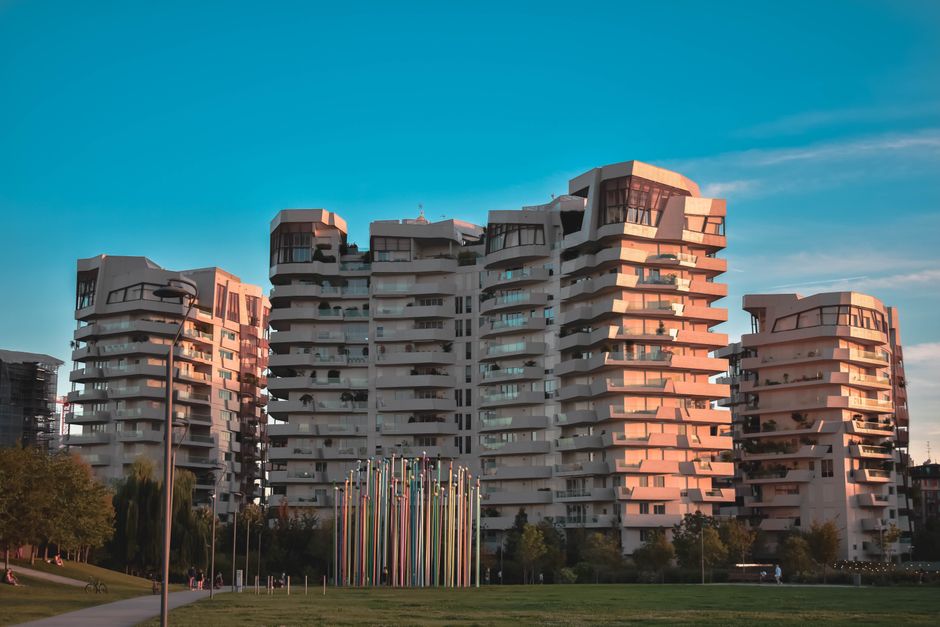
The Porta Nuova corridor remains apex. Properties within walking distance of the Biblioteca degli Alberi and Vertical Forest developments command sustained €15,000-plus-per-square-metre pricing, with 3.8 percent average yields on purchase prices—reasonable for zero-leverage capital seeking stability over volatility.
What the numbers ultimately reveal: Milan's luxury market isn't speculative. It's a conviction trade, where yield-conscious investors with 10-year horizons see Milan not as a volatile asset, but as a diversification play backed by fashion heritage, design infrastructure, and geographic proximity to Swiss wealth. That's why Brera and Navigli remain Europe's smartest bets for capital that never sleeps.
This article was compiled by AI from the sources linked above and screened before publishing. See our editorial standards.
How does this story make you feel?
Spread the word
About this article
Published by The Daily Milan
Daily brief
Free, in your inbox before 7am. Weekdays.
More in Property