Milan's Planning Overhaul: How Stricter Density Rules Are Reshaping the City's Future
New council guidelines tighten building heights and floor ratios across prime neighbourhoods, forcing developers to rethink projects worth billions.
New council guidelines tighten building heights and floor ratios across prime neighbourhoods, forcing developers to rethink projects worth billions.
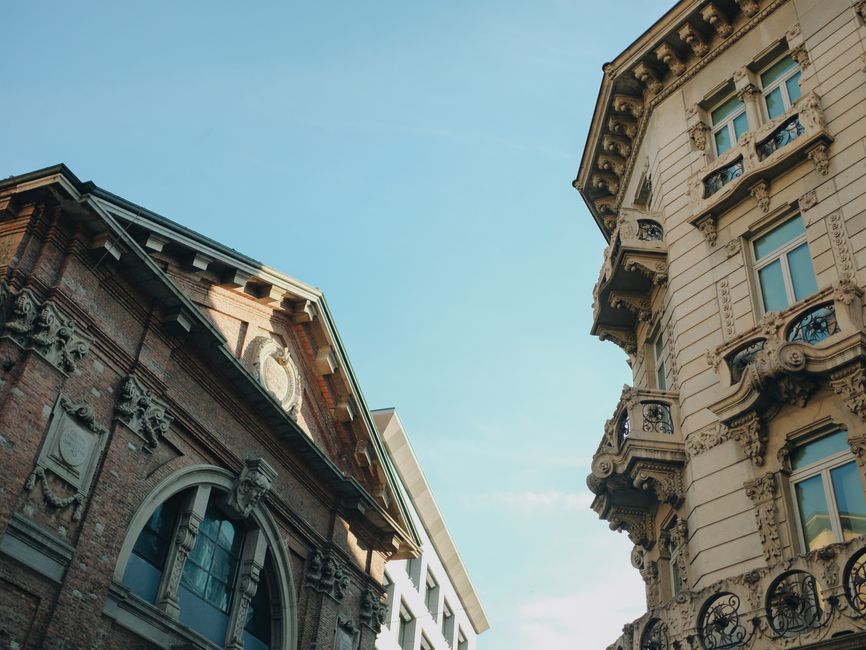
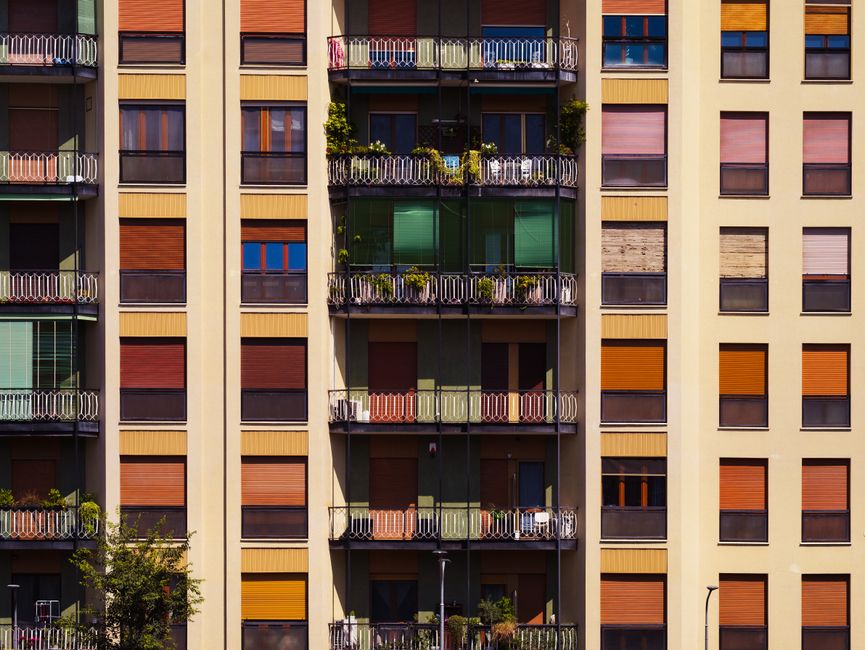
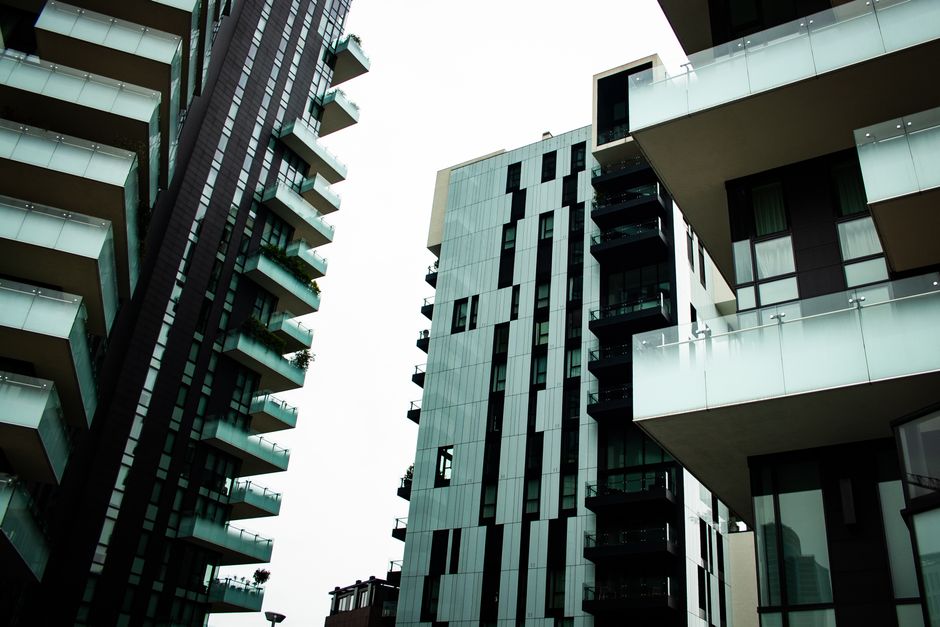
Milan's planning landscape has undergone a significant shift this quarter, with the City Council introducing revised density and design regulations that are forcing major reassessment of development pipelines across the city's most coveted districts. The changes, which came into effect in May, directly impact floor-area ratios (FAR) and maximum building heights in zones from Brera to Navigli, signalling a decisive move away from maximalist development patterns that have characterised recent years.
The new guidelines reduce permissible FAR from 3.5 to 2.8 in the Porta Nuova/Porta Garibaldi corridor—historically one of Milan's most densely developed areas, where apartments currently command €7,000–€8,500 per square metre. Height restrictions have been capped at 28 metres in residential zones adjacent to historic neighbourhoods, down from the previous 35-metre threshold. For developers, this translates to fewer storeys and tighter profit margins on already-acquired land parcels.
"The council's push toward 'qualitative density' reflects a broader European shift," explains Francesca Moretti, senior analyst at Milan Property Research Institute. "Projects that would have yielded 150 apartments now yield 110. But the emphasis on façade integrity, green spaces, and street-level activation is reshaping buyer expectations." Indeed, recent sales data shows premium pricing for architecturally distinctive units—those in design-forward buildings now command a 12–15 per cent premium over standard construction.
The impact is most visible in Isola and Nolo, where rising rents (currently €800–€950/sqm annually) have triggered speculative investment. Several major projects—including a mixed-use scheme near Via Torino and residential developments near the Navigli—have been resubmitted to comply with stricter setback requirements and mandatory public plaza contributions. One notable pause: a proposed 32-storey tower near Stazione Centrale was rejected in April, prompting the developer to redesign with reduced height and phased delivery.
Notably, the guidelines exempt projects prioritising affordable housing (a minimum 25 per cent of units) from certain restrictions, offering developers a compliance pathway. The Comune has also incentivised façade improvements and ground-floor retail activation with density bonuses—moves that appeal to institutional investors and lifestyle-focused operators.
As Milan's average price per square metre hovers near €5,000, these regulatory shifts are reshaping not just supply, but the architectural character of neighbourhoods in transition. For buyers and investors, the message is clear: future supply will be leaner, more design-conscious, and increasingly segmented by neighbourhood regulation. The next wave of Milan's transformation won't be about quantity.
This article was compiled by AI from the sources linked above and screened before publishing. See our editorial standards.
How does this story make you feel?
Spread the word
About this article
Published by The Daily Milan
Daily brief
Free, in your inbox before 7am. Weekdays.
More in Property