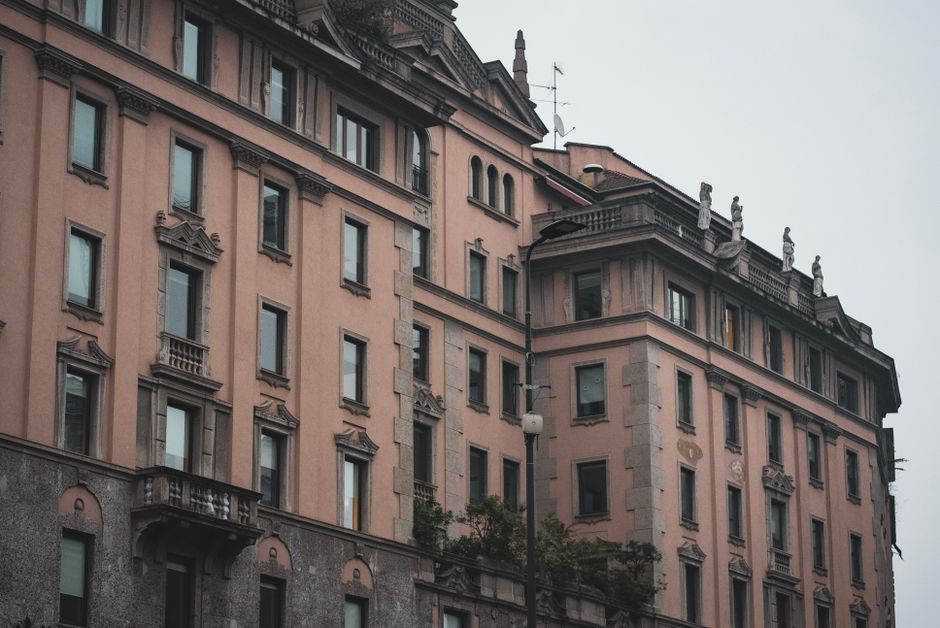
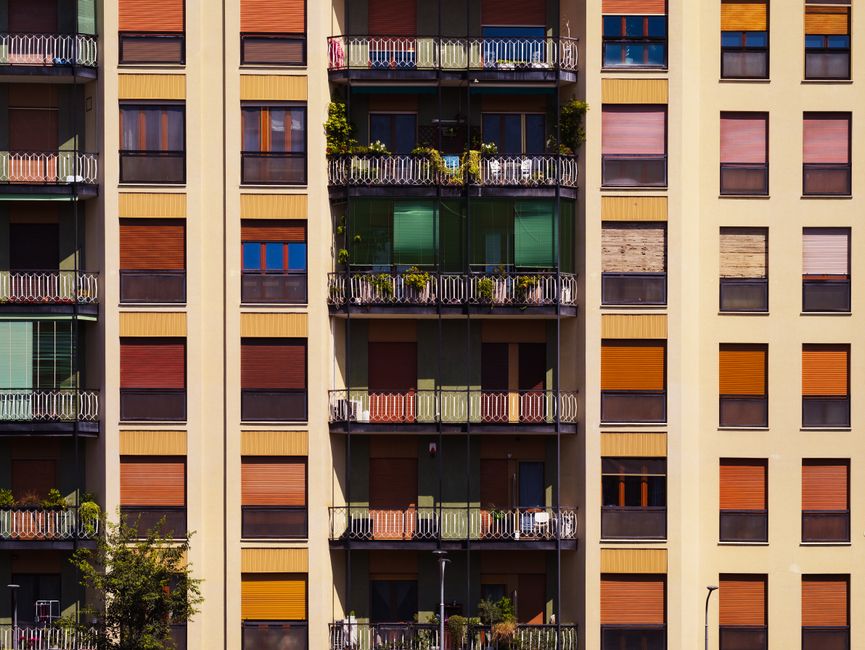
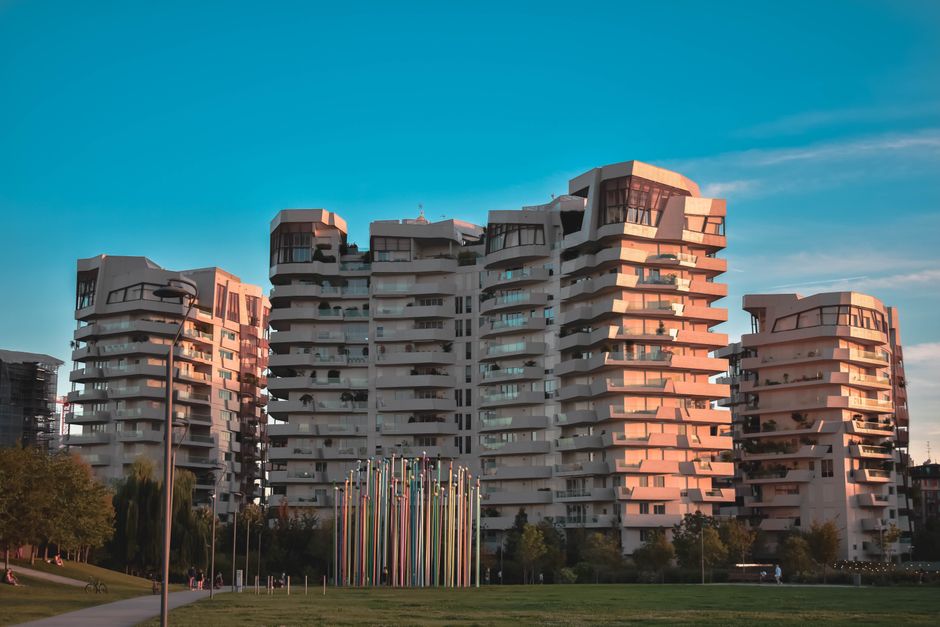
Milan's Isola neighbourhood has long occupied an ambiguous space in the city's property hierarchy—close enough to the Brera art scene to feel connected, yet distant enough to remain distinctly more affordable. That calculation is shifting rapidly. A confluence of major development projects centred on Via Torino and the Viale Monza corridor is fundamentally reconfiguring what investors, young professionals, and cultural institutions see when they look north of the Navigli.
The most transformative project remains the regeneration of the former Ansaldo industrial site, now evolving into a mixed-use quarter that combines residential towers, creative studios, and public green space. When completed in phases through 2028, it will add approximately 850 residential units and 40,000 square metres of commercial and cultural space. Current asking prices in the immediate precinct hover around €6,800–€7,200 per square metre—a premium of 35–40% over Isola's five-year average of €5,000, reflecting investor confidence in the area's trajectory.
What makes these developments consequential isn't merely density. The cultural anchoring matters. The Fondazione Prada's decision to expand its Milan presence, combined with the arrival of independent galleries along Via Corsico and Via Torino, has magnetised younger collectors and creative professionals priced out of Brera proper. Gallery owners report foot traffic up 60% year-on-year, while commercial rents have climbed from €400 to €650 per square metre annually—still 30% below Brera but rising faster.
Residential demand has intensified accordingly. Properties in newly completed or near-completion buildings—particularly those offering industrial-chic conversions with exposed brick and high ceilings—are shifting within 45 days of listing, compared to the 90-day Milan average. Buyers are predominantly professionals aged 28–45, drawn by the neighbourhood's emerging ecosystem: third-wave coffee roasters, Michelin-listed restaurants, and the ongoing revival of the Navigli's eastern flank.
Infrastructure investment matters too. The planned extension of Milan's cycle network through Isola, alongside improved public transport connections via the Porta Garibaldi station, reduces commute friction. For investors eyeing medium-term appreciation—typically 7–10 years—Isola presents compelling geometry: premium neighbours at accessible entry points, cultural credibility, and still-incomplete infrastructure narratives that typically precede sustained price growth.
The neighbourhood isn't uniformly developed, however. Pockets remain transitional, with vacant plots and lower-grade residential stock offering opportunities for savvy investors willing to hold through ongoing construction cycles. As with Milan's previous rebirths—Navigli in the 2000s, Porta Nuova in the 2010s—early positioning in emerging districts yields disproportionate returns when projects mature.
This article was compiled by AI from the sources linked above and screened before publishing. See our editorial standards.