Milan's property market has long traded on its fashion-forward reputation and heritage charm. But 2026 brings something more concrete: infrastructure projects that are quietly rewriting the investment playbook across the city's emerging zones.
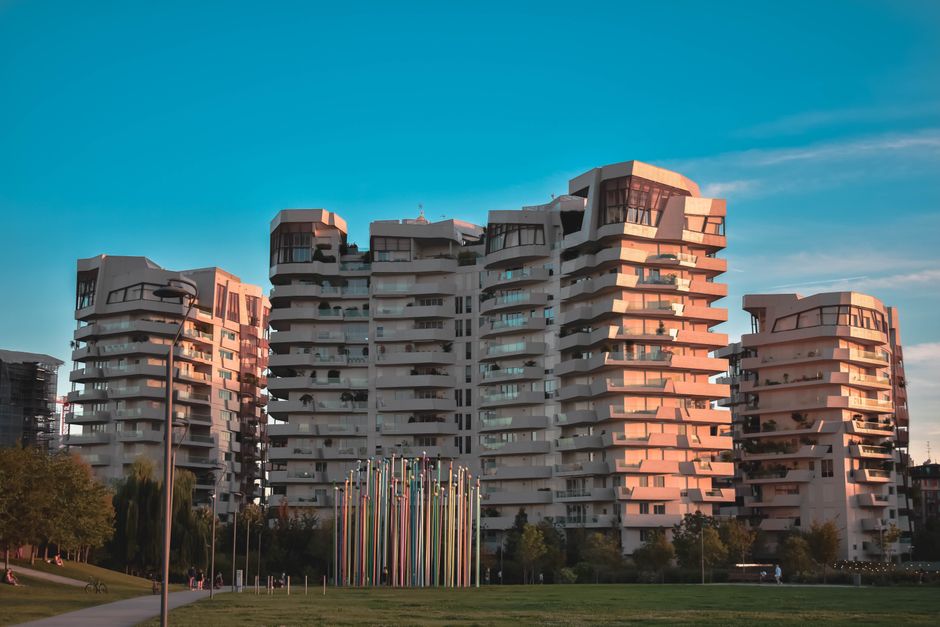
The regeneration of the Isola neighbourhood—once dismissed as working-class—now stands as the clearest example. With the ongoing development of the Biblioteca degli Alberi park complex and continued absorption of creative studios, rental yields in this pocket have climbed to 4.5–5% gross, compared to the city average of around 3.2%. Apartments within walking distance of Via Torino or Viale Pasubio command €4,200–€4,800 per square metre, a 12% appreciation since 2024. For landlords, the maths is straightforward: residential units let to young professionals and creatives generate reliable monthly income whilst capital appreciation accelerates.
Nolo—the newly branded corridor north of Loreto—tells a similar story. The completion of M2 metro upgrades and the arrival of co-working hubs along Corso Buenos Aires have transformed tenant demand. Studio and one-bedroom units now lease at €850–€1,100 monthly, sustaining 4.2% yields on purchase prices hovering around €4,600 per square metre. Landlords report faster turnover and higher-quality tenants, reducing void periods.
The premium zones—Brera and Porta Nuova—remain yields-light (2.8–3.4%) but tell a different story. New luxury developments near Moscova and the Garibaldi neighbourhood, anchored by office-to-residential conversions, attract international executives and investor-owner occupiers. Here, capital growth outpaces rental income, with prices climbing 8–10% annually.
For practical landlords, the lesson is location-dependent strategy. In emerging neighbourhoods like Isola and Nolo, where infrastructure projects anchor long-term demand, maximising rental yield makes sense. Invest in tenant-friendly finishes, keep maintenance tight, and expect steady cash flow. In established premium pockets, hold for appreciation and accept lower yields as the trade-off.
The real opportunity lies in timing. Projects—from metro extensions to the planned Navigli canal restoration—create windows where property prices lag underlying demand. Landlords who recognise these phases, acquire strategically, and understand their neighbourhood's development roadmap can expect returns that comfortably outpace Milan's 5-year average of 6.3% annual appreciation.
The city's property story isn't just about fashion houses and penthouses anymore. It's about infrastructure, tenant demand, and disciplined investment. That shift favours landlords willing to think beyond Brera.
This article was compiled by AI from the sources linked above and screened before publishing. See our editorial standards.