Porta Romana emerges as Milan's next investment hotspot ...
Once overlooked, the neighbourhood south of the Navigli is attracting serious capital as central districts saturate and design-savvy residents seek authentic charm over hype.
Once overlooked, the neighbourhood south of the Navigli is attracting serious capital as central districts saturate and design-savvy residents seek authentic charm over hype.
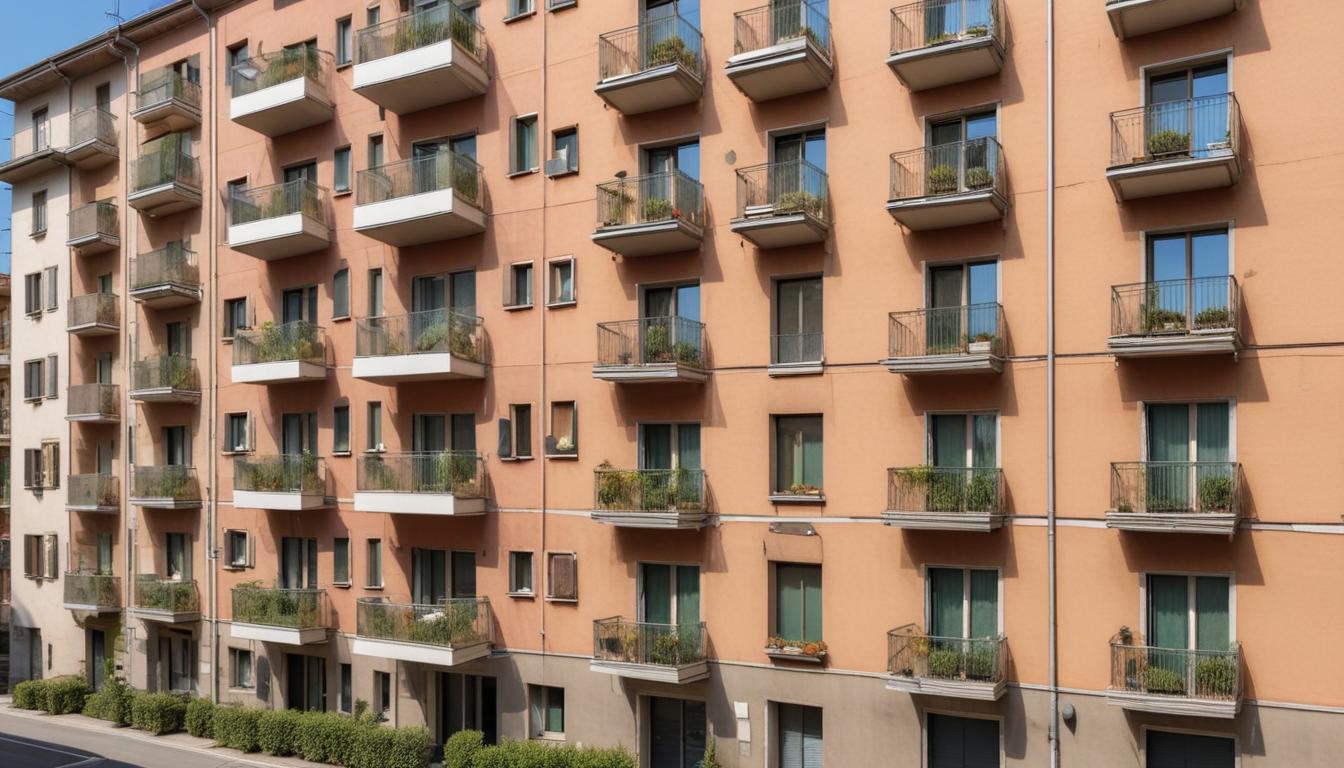
Milan's property compass is spinning. While Brera and Porta Nuova have long commanded premium valuations—averaging €7,500–€8,500 per square metre—savvy investors are increasingly training their sights on Porta Romana, a neighbourhood that has quietly accumulated cultural credibility and residential appeal without the stratospheric price tags.
Located immediately south of the Navigli district and anchored by the eponymous gate in the medieval walls, Porta Romana has historically been eclipsed by trendier neighbours. Yet recent activity suggests this is changing. Properties along Viale Gian Galeazzo and the residential backstreets near Parco Agricolo Sud Milano have seen year-on-year price growth of 8–12 per cent, with average asking prices now hovering around €5,200–€5,800 per square metre—a significant uplift from €4,600 just three years ago.
What's driving the shift? Several factors converge. First, saturation in central hotspots has made Porta Romana's relative affordability attractive to young professionals, creative workers, and Milan's burgeoning community of digital entrepreneurs. Second, the neighbourhood's institutional anchors—including the Basilica di Santo Stefano in Campo and proximity to the Universitas Studiorum—lend cultural weight that appeals to buyers seeking authenticity over Instagram cachet. Third, major urban renewal projects, including the redesign of Viale Coronado and ongoing investment in green spaces, have improved livability significantly.
The fashion and design sectors, which remain the bellwether for Milan's luxury property market, are taking notice. Several emerging design studios and temporary showrooms have established footholds here, attracted by spacious loft-style apartments and lower commercial rents than central Milan. This, in turn, has attracted young creative talent willing to trade proximity to the Quadrilatero d'Oro for neighbourhood character and cost efficiency.
Real estate agents report robust interest from both domestic buyers and international investors from London and New York, particularly for renovation projects and larger family homes. The neighbourhood's relative lack of institutional tourism—compared to the constant flow near the Duomo—is increasingly seen as an asset rather than a liability.
Of course, Porta Romana remains a long way from Brera's stratospheric valuations. But in a market where central Milan's average €5,000 per square metre increasingly feels like a ceiling for mainstream buyers, the neighbourhood's blend of accessibility, cultural credentials, and genuine urban momentum positions it as a genuine alternative—not a compromise.
For investors with a three-to-five-year horizon, Porta Romana may represent the last genuinely undervalued corner of Milan's inner core.
This article was compiled by AI from the sources linked above and screened before publishing. See our editorial standards.
How does this story make you feel?
Spread the word
About this article
Published by The Daily Milan
Daily brief
Free, in your inbox before 7am. Weekdays.
More in Property