Milan's New Development Wave Is Reshaping Rental Dynamics Across Key Neighbourhoods
As major residential projects transform districts like Isola and Nolo, tenants face tighter vacancy rates but unprecedented neighbourhood amenities.
As major residential projects transform districts like Isola and Nolo, tenants face tighter vacancy rates but unprecedented neighbourhood amenities.
Milan's rental market is entering a critical inflection point. With vacancy rates hovering near 4–5% across central zones—significantly below the 7–8% threshold considered healthy for tenant mobility—the arrival of substantial new residential developments is reshaping both supply and neighbourhood character.
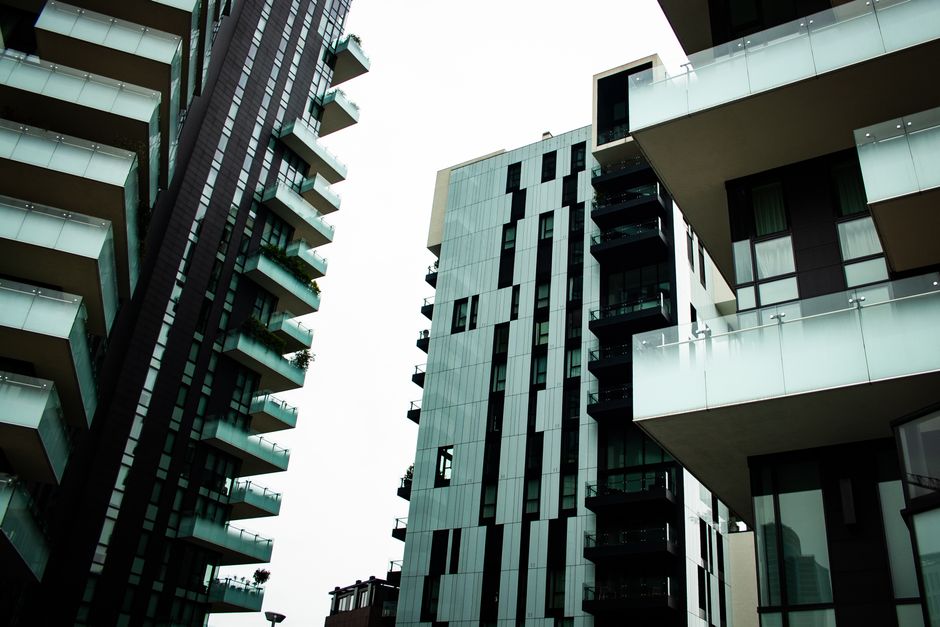
The transformation is most visible in Isola and Nolo, where multiple projects are coming online. The former industrial quarter, traditionally undervalued against Brera's EUR 6,500–7,000 per square metre, is experiencing accelerated gentrification as mixed-use schemes introduce contemporary living alongside restored warehouses. These developments typically command EUR 5,200–5,800 per square metre, positioning Isola as a middle ground for tenants priced out of Porta Nuova's stratospheric rents but seeking proximity to Corso Como and the Garibaldi corridor.
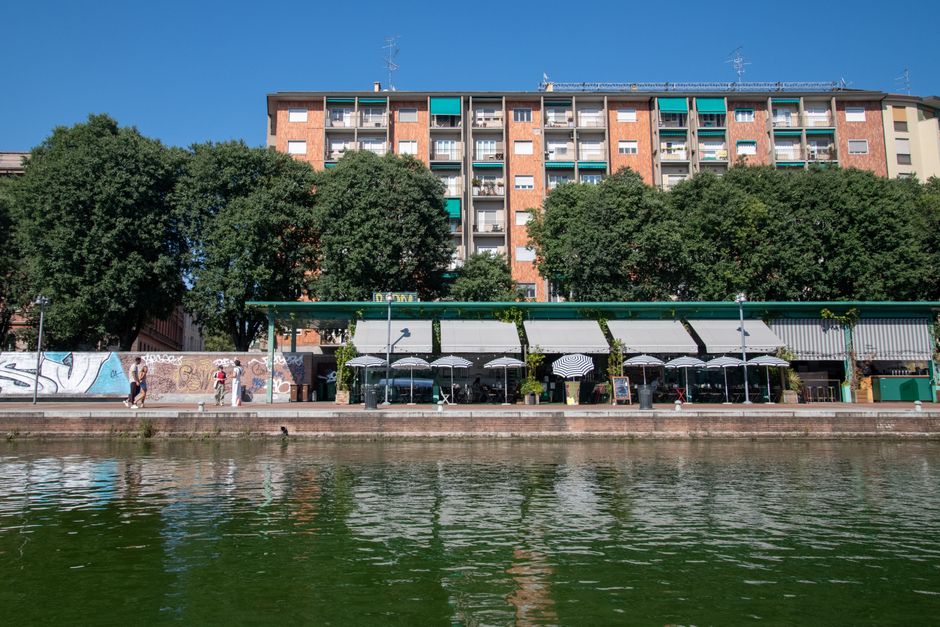
Navigli, already established as Milan's trendiest neighbourhood, faces a different dynamic. New residential blocks near the canal-facing stretches have pushed rental yields upward, with modern apartments now reaching EUR 18–22 per square metre monthly. The influx of purpose-built rental stock—particularly serviced apartments targeting fashion industry professionals—has fractionally eased competition, though competition for premium units remains fierce.
The Porta Nuova and Brera axis, Milan's undisputed luxury stronghold, remains insulated from vacancy pressures. Here, new developments focus on high-spec penthouses and boutique residential towers rather than volume supply. The average remains anchored at EUR 5,000–5,500 per square metre across the broader market, but premium addresses command significantly more.
For tenants navigating this landscape, the expanded supply offers genuine choice for the first time in three years. Estate agents report that developments with integrated co-working facilities, green spaces, and retail components—particularly those clustered around Centrale and the Lambrate district—are attracting younger professionals and remote workers willing to trade central proximity for quality-of-life amenities.
The caveat: while vacancy technically increases, the new stock typically targets mid-to-premium segments. Budget-conscious renters in outer zones like Bruzzano and Affori still face tight conditions. Local property associations suggest the real test arrives in 2027, when completion rates accelerate and market conditions—shaped by Italy's interest rate environment and broader economic sentiment—will determine whether this supply surge translates into genuine tenant relief or simply reshuffles demand across microneighbourhoods.
For now, Milan's rental story remains one of selective abundance: transforming where and how people live, but not uniformly addressing affordability concerns.
This article was compiled by AI from the sources linked above and screened before publishing. See our editorial standards.
How does this story make you feel?
Spread the word
About this article
Published by The Daily Milan
Daily brief
Free, in your inbox before 7am. Weekdays.
More in Property