Isola's Transformation: How New Development Projects Are Reshaping Milano's Most Ambitious Neighbourhood
The former industrial quarter is attracting billions in investment—and savvy buyers are already positioning themselves for what comes next.
The former industrial quarter is attracting billions in investment—and savvy buyers are already positioning themselves for what comes next.
Isola, once Milan's overlooked industrial heartland, is experiencing a metamorphosis that property strategists have been quietly monitoring since the early 2020s. Three major development projects now underway are fundamentally altering the neighbourhood's profile, pricing trajectory, and appeal to both investors and young professionals seeking alternatives to the saturated Brera and Navigli markets.
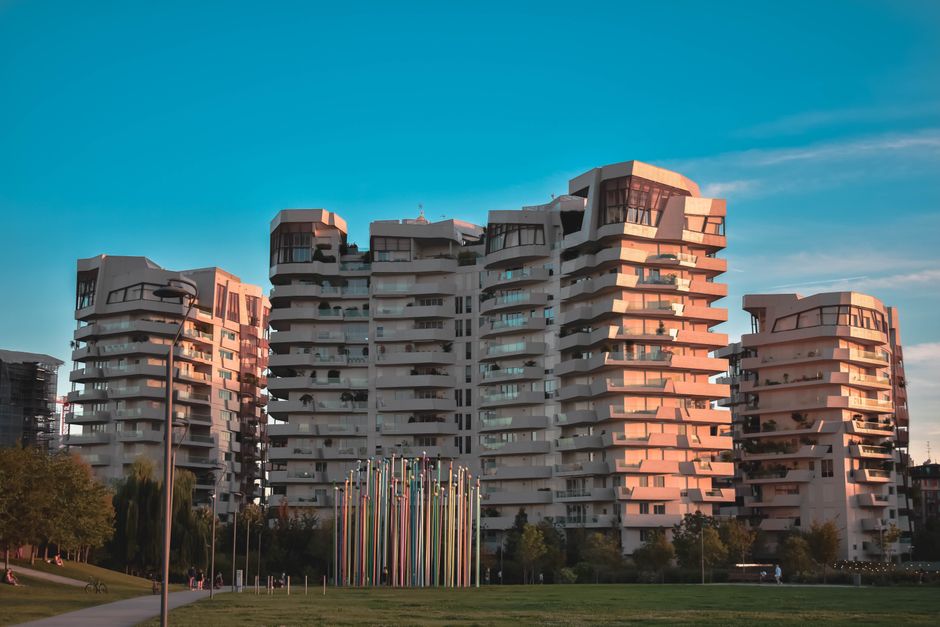
The most significant catalyst is the Garibaldi-Repubblica urban renewal zone, where mixed-use developments are replacing defunct manufacturing spaces along Via Torino. These projects—combining residential, retail, and cultural facilities—have already pushed average prices in Isola from €4,200 per square metre in 2023 to €4,700 today, a 12 percent uplift that pales compared to what insiders expect by 2028. The completion of the first residential tower on Via Volta in Q3 2026 has created a visible statement: Isola is no longer a compromise location.
Parallel to residential expansion, the neighbourhood's cultural infrastructure is being actively repurposed. The former Ansaldo industrial complex is transitioning into a 35,000-square-metre creative hub, attracting design studios, galleries, and independent fashion ateliers—a natural extension of Milan's fashion ecosystem. This isn't incidental: such cultural anchoring typically sustains long-term value and attracts the demographic cohorts driving Milan's property demand.
The Greco-Breda metro connector, expected to operationalise in late 2027, represents the third pillar. Improved transit links to Central Station and the Duomo will compress travel times and integrate Isola more firmly into the wider city fabric. Historically, such infrastructure investment produces 15–20 percent appreciation in surrounding areas within 18 months of completion.
For investors, the calculus is straightforward: Isola offers 800–1,000 euro per square metre less than Brera or Porta Nuova, yet sits positioned to capture spillover demand from those saturated neighbourhoods. A one-bedroom apartment currently trades at €450,000–€520,000; comparable units in adjacent Nolo command premiums of 8–10 percent already.
The risk, of course, is execution. Milan has witnessed stalled developments before. Yet current project financing—anchored by institutional investors rather than speculative developers—suggests credibility. Moreover, the fashion industry's continued concentration in Northern Milan means sustained professional inflow to the area.
For the next 18 months, Isola represents Milan's most calculated play: neighbourhood transformation with tangible catalysts, underpinned by demographic and infrastructure tailwinds that extend well beyond the current development cycle.
This article was compiled by AI from the sources linked above and screened before publishing. See our editorial standards.
How does this story make you feel?
Spread the word
About this article
Published by The Daily Milan
Daily brief
Free, in your inbox before 7am. Weekdays.
More in Property