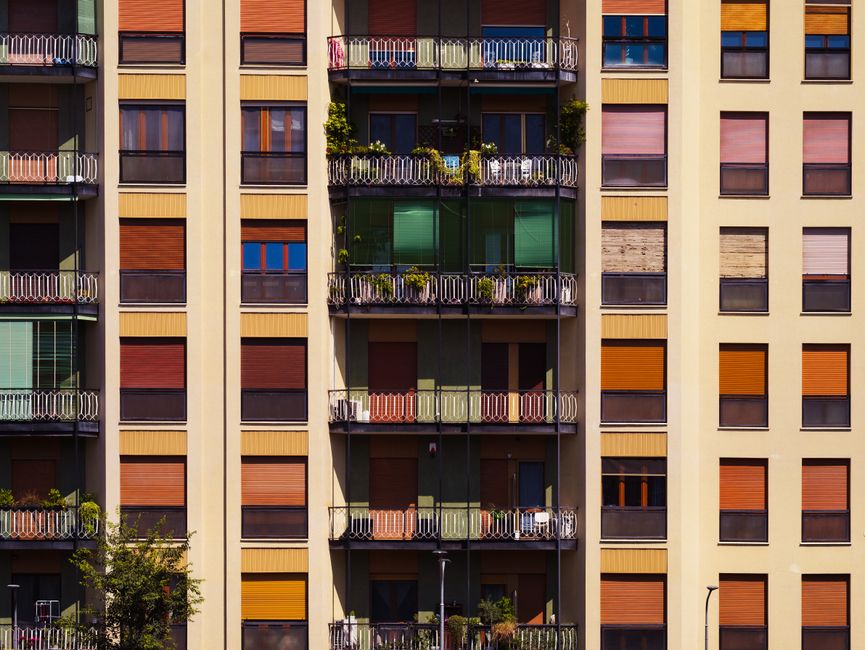
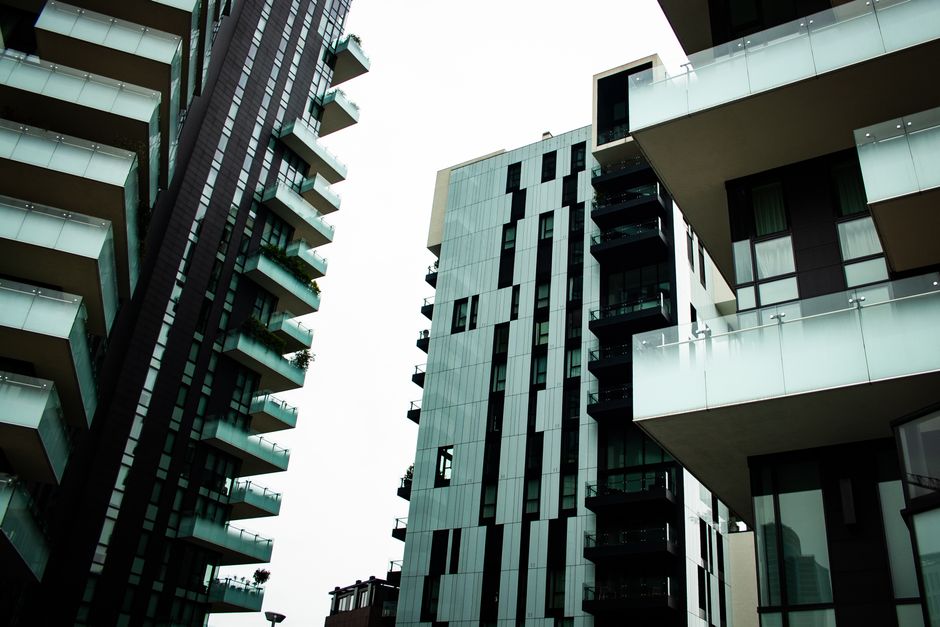
For years, first-time buyers in Milan faced an impossible choice: stretch budgets to breaking point in Brera or Porta Nuova, or resign themselves to commuting from the periphery. A third option is quietly reshaping the city's property landscape. Isola, once dismissed as rough around the edges, is becoming the neighbourhood where ambition meets affordability—and where savvy first-time investors are securing foothold properties before prices inevitably spike.
The numbers tell the story. While Brera averages €7,500 per square metre and Porta Nuova hovers near €8,000, Isola sits comfortably at €4,200–€4,800 per sqm for quality apartments. A 70-sqm one-bedroom in a restored Gründerzeit building near Piazza Alban Berg can cost €280,000–€320,000, compared to €550,000+ in adjacent Porta Nuova. For first-time buyers with modest savings, that difference is transformative.
The catalyst isn't just price. Milan's regional government has expanded first-home buyer grants under the "Fondo Mutui per la Prima Casa" scheme, now offering up to €50,000 in subsidized mortgages for under-36s purchasing their primary residence. Banks including UniCredit and Intesa Sanpaolo have simultaneously loosened lending criteria, recognizing Isola's trajectory. Combined, these measures have unlocked purchasing power that barely existed two years ago.
Isola's appeal extends beyond finance. The neighbourhood's transformation—anchored by the Garibaldi station regeneration and proximity to the Parco Sempione—has attracted independent galleries, specialty food shops, and cafés along Via Tasso and Via Maroncelli. The fashion industry's satellite offices now cluster here, reducing the commute for junior professionals priced out of central Milan. Young families appreciate the quieter streets and emerging schools investment.
Real estate agents report 40 per cent faster sales velocity in Isola compared to two years ago. Properties listed at €400,000–€500,000 now routinely attract five-plus serious offers within two weeks. The supply crunch is real: only 12 per cent of available stock sits in newly constructed buildings, meaning renovation-ready apartments—once considered liability—now command premiums.
First-time buyers should act deliberately, not desperately. Engage a notary early to understand tax incentives (recent reforms favour owner-occupiers), secure pre-approval from lenders familiar with the district, and inspect buildings thoroughly—Isola's stock is mixed. Properties within 500 metres of Porta Garibaldi station or facing the Navigli canal extensions command the highest appreciation potential.
Isola won't remain Milan's best-kept secret much longer. For first-home buyers, the window is now.
This article was compiled by AI from the sources linked above and screened before publishing. See our editorial standards.