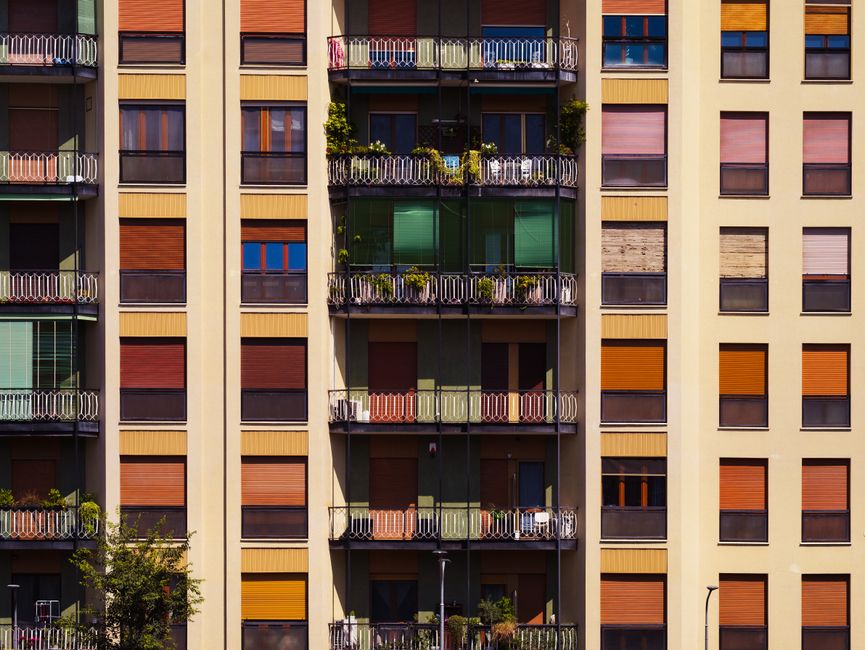
Milan's first-time buyer market is experiencing a quiet renaissance, driven not by nostalgia but by strategic new development. The city's average property cost of €5,000 per square metre masks a profound shift: emerging districts are finally offering entry-level opportunities that don't require financial compromise or relegation to the periphery.
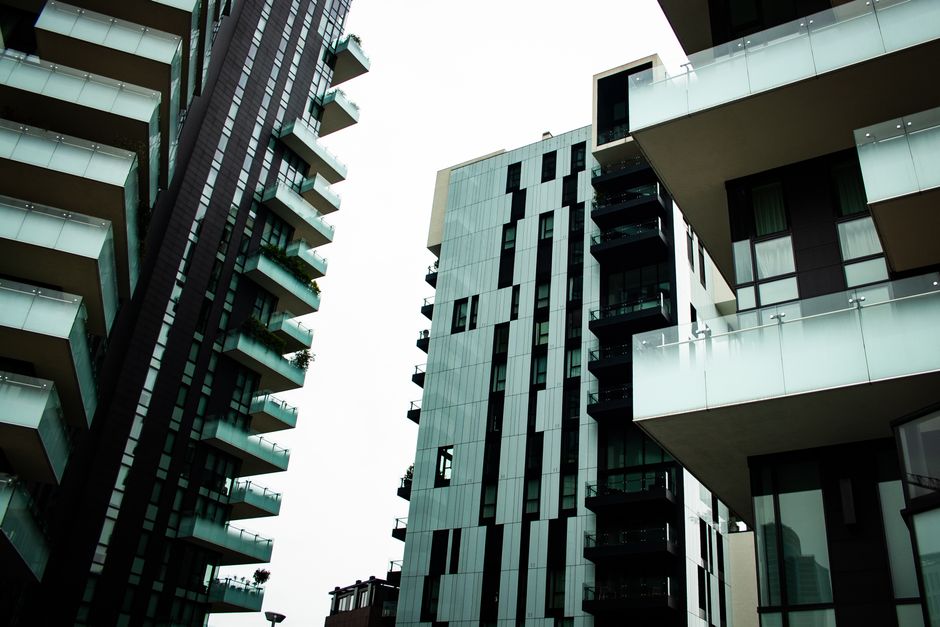
The Isola neighbourhood has become ground zero for this transformation. Three significant residential projects launched in 2025-2026 have priced units between €4,200 and €4,800 per square metre—a 15-20 percent discount to established zones. For a young professional seeking a 65-square-metre apartment, this difference amounts to roughly €52,000. Combined with Italy's first-time buyer incentives (5 percent mortgage rates capped at specific income thresholds, plus exemption from stamp duty), the mathematics suddenly favour decisive action.
The Nolo district, traditionally overlooked, is following suit. Development around Via Torino's eastern extension has attracted younger demographics precisely because new projects here offer modern energy certifications and integrated smart-home infrastructure—features rarely found in the pre-war stock dominating Brera and Porta Nuova. Banks recognise this; new-build mortgages carry lower default risk, and several major Italian lenders now offer 85 percent LTV financing for first-timers purchasing within 500 metres of verified development sites.
What makes this moment significant isn't merely affordability—it's infrastructure alignment. The Navigli area's established trendiness now extends northward through these emerging zones. Completion of the M4 metro extension to Isola, scheduled for 2027, has already validated investor confidence. New buyers aren't gambling on speculative gentrification; they're following proven urban evolution.
However, geography determines outcomes. Entry-level buyers pursuing a Porta Nuova penthouse remain unrealistic; that zone sustained €7,200-per-square-metre pricing throughout the recent correction. But a 75-square-metre apartment in a new Isola development—with parking, a gym, and collaborative workspace—costs approximately €315,000. With a €50,000 down payment and current mortgage rates, monthly outgoings sit comfortably below comparable rental costs in the same neighbourhood.
The strategic insight: new developments function as market-entry points precisely because they attract institutional interest, not speculation. When pension funds and REITs commit capital to a project, quality standards rise and price volatility diminishes. For first-timers, this stability matters more than location prestige.
The window is open, but narrowing. Milan's property cycle typically extends three years from early supply entry to mainstream pricing. Buyers acting within the next 18 months position themselves advantageously. Those waiting risk watching these opportunities price upward into the conventional market.
This article was compiled by AI from the sources linked above and screened before publishing. See our editorial standards.