Milan's property market is experiencing a seismic shift as new municipal planning regulations take hold, fundamentally altering affordability patterns across the city's most coveted neighbourhoods. The changes, rolled out over the past eighteen months by the Comune di Milano, are creating winners and losers in ways that will define the city's housing landscape for years to come.
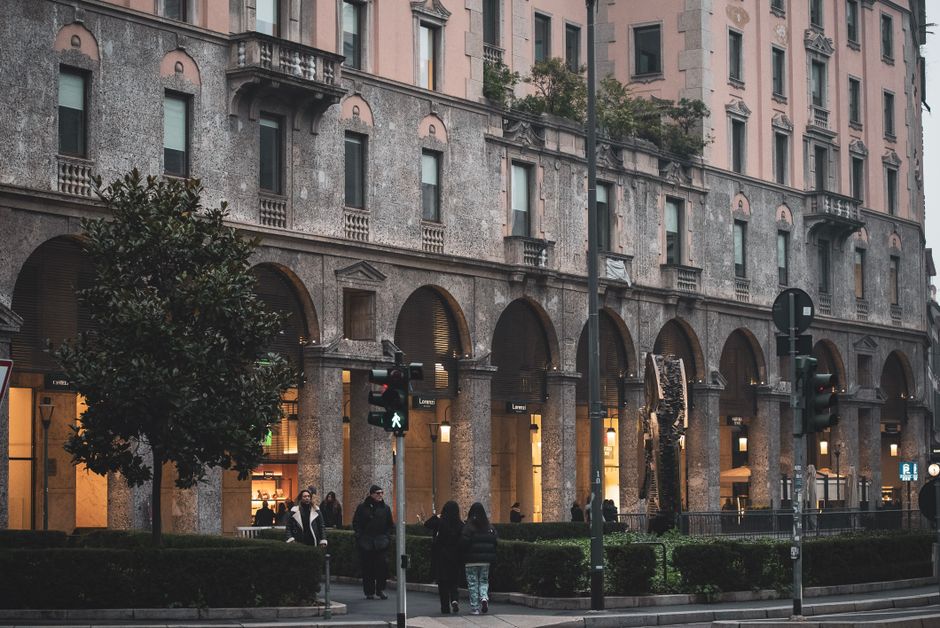
The centerpiece of the reform is a stricter density cap in central Milan—particularly affecting Brera, Porta Nuova, and the neighbourhoods immediately surrounding the Duomo. These premium zones, where prices have climbed to EUR 7,500-8,500 per square metre, now face restrictions on new residential units per building. The intended effect: preserve architectural heritage and livability. The market effect: accelerated price inflation as supply tightens. A two-bedroom apartment on Via Brera that might have cost EUR 850,000 two years ago now regularly fetches EUR 1.1 million.
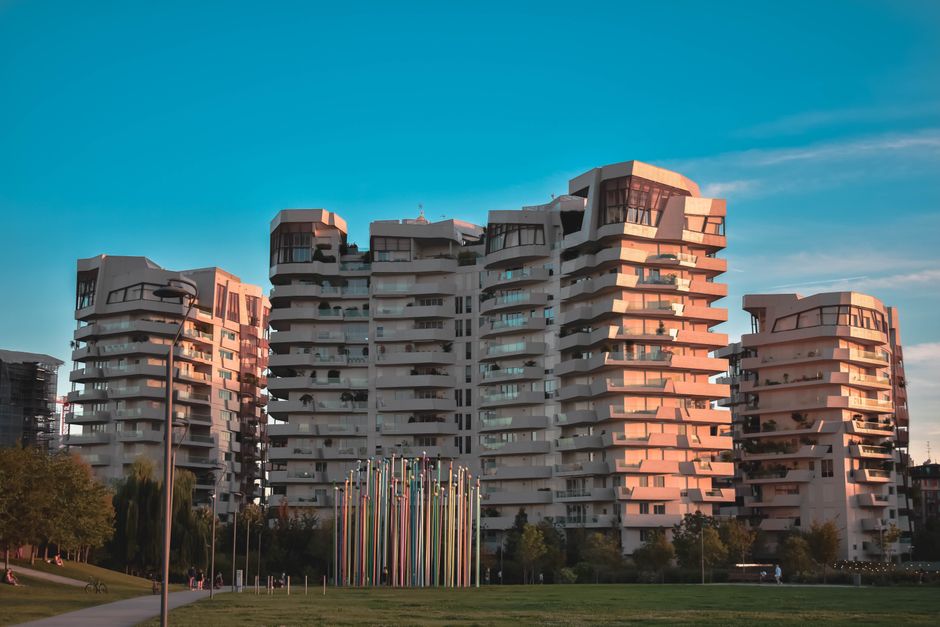
Meanwhile, the city is aggressively incentivising development in emerging neighbourhoods. Isola and Nolo—historically working-class areas north of the Navigli—are receiving streamlined permitting processes and tax incentives for residential conversion. Prices in these zones have jumped from around EUR 3,800 per square metre to nearly EUR 4,600 in just eighteen months, but they remain substantially cheaper than the constrained centre. A comparable two-bedroom in Nolo still costs EUR 550,000-650,000.
The Navigli district occupies uncomfortable middle ground. Once considered the next frontier, it's caught between the premium centre and the incentivised periphery. New building height restrictions and parking requirements have slowed development, leaving prices in a holding pattern around EUR 5,200 per square metre—higher than Isola but without the momentum.
Real estate professionals warn the policy creates unintended consequences. Young professionals entering Milan's fashion and finance sectors increasingly cannot afford central neighbourhoods where they work. The rush to Isola and Nolo risks replicating gentrification cycles seen elsewhere—rising prices may displace the communities these policies aimed to revitalise. Meanwhile, stalled mid-market zones like Porta Romana and Lambrate offer neither the prestige of Brera nor the affordability of the north.
The Comune's planning office maintains these measures are working as intended: encouraging sustainable growth outside the historic core while preserving Milan's architectural character. Market data suggests they're working—just not equitably. For first-time buyers, the city's policy choices have essentially narrowed the middle ground, forcing a choice between stretching for central prestige or embracing the longer commute north.
This article was compiled by AI from the sources linked above and screened before publishing. See our editorial standards.