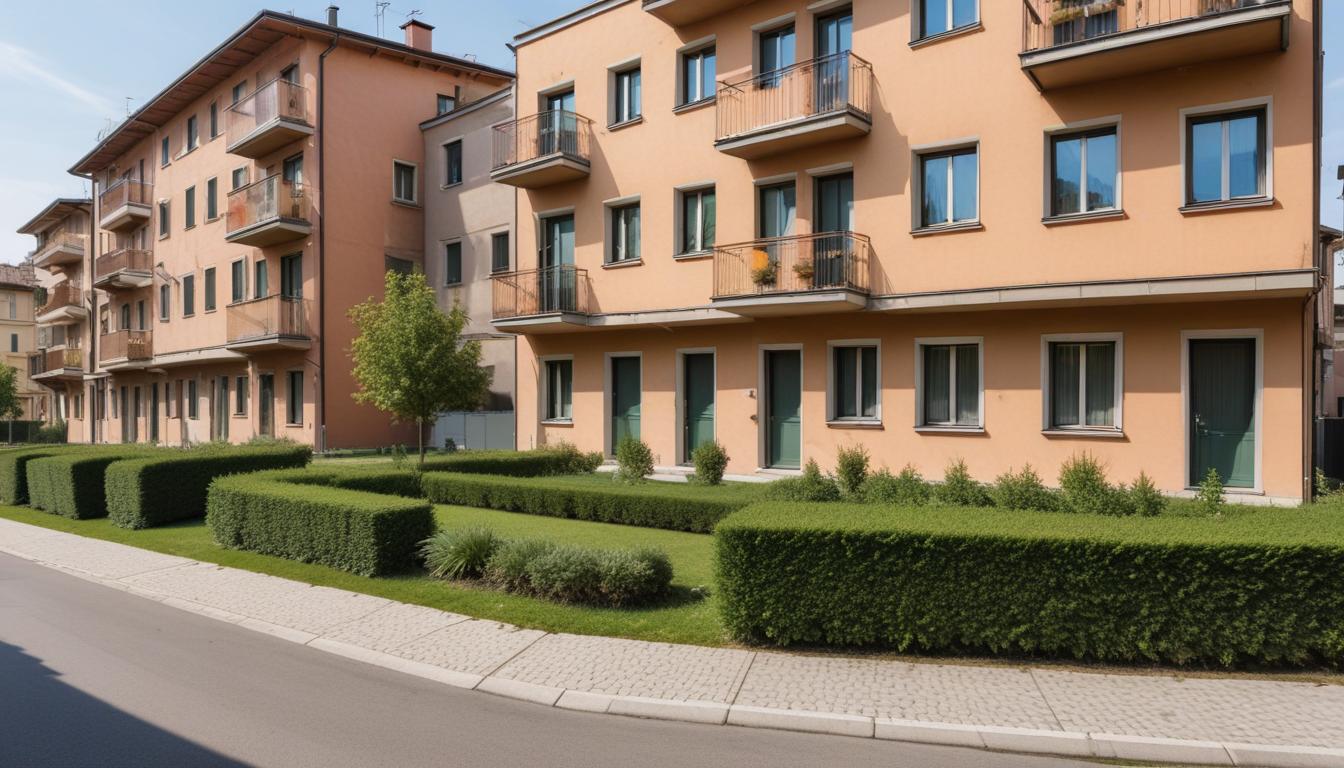
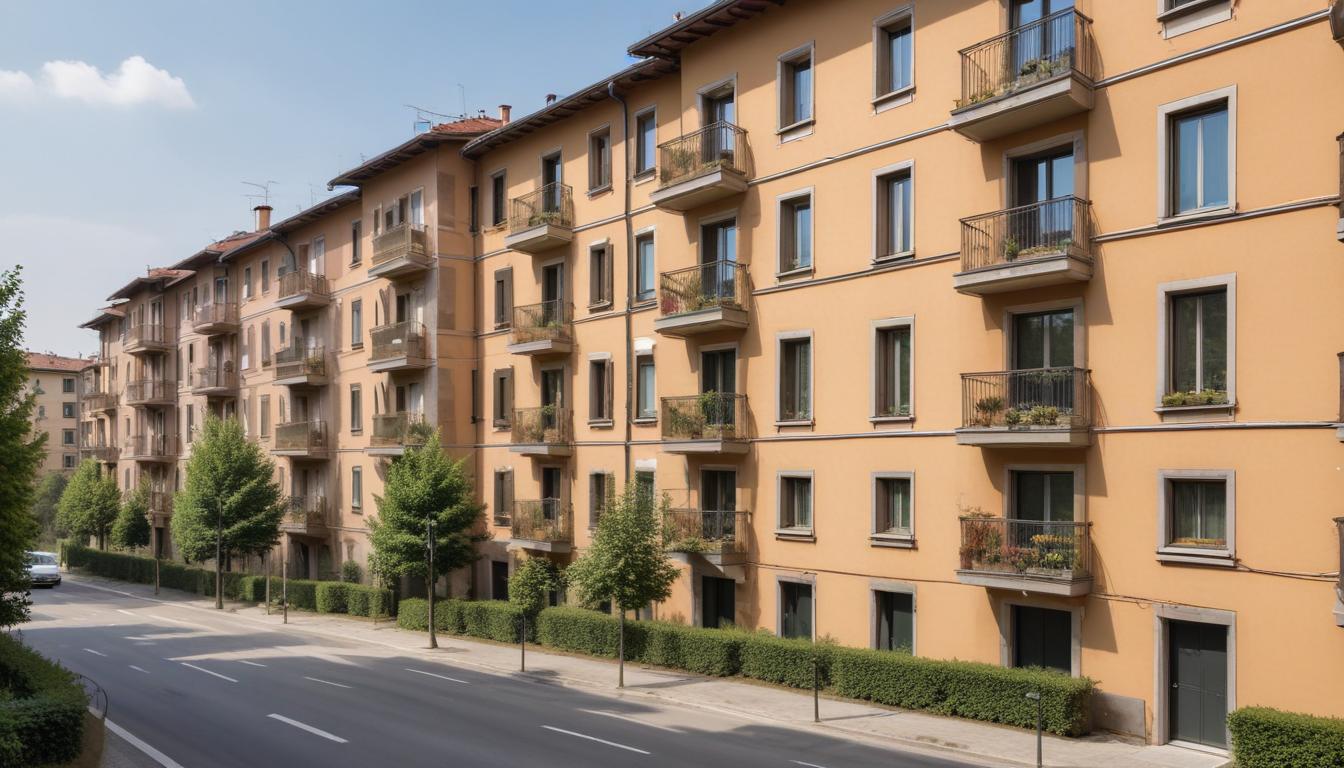
Milan's rental market has entered a new phase of intensity. Across Brera, Porta Nuova, and the increasingly fashionable Isola district, landlords are reporting record-low vacancy rates, while tenants scramble to secure contracts in a landscape where asking prices have climbed 12-15% year-on-year. The tension between these two groups is reshaping how the city's €5,000-per-square-metre real estate ecosystem functions.
In Navigli—long Milan's artistic heartland and now a premium destination—studio flats command €1,200-1,400 monthly, while comparable one-bedroom units in nearby Nolo fetch €1,600-1,900. Property owners here report minimal downtime between tenants, yet many find themselves caught between maximising returns and maintaining tenant relationships. Rising property taxes, utility costs, and maintenance expenses mean even stellar rental yields no longer feel bulletproof. Several independent landlords managing portfolios along Via Brera and Corso Garibaldi have begun opting for longer-term contracts at modest premiums, prioritising stability over churn.
For renters, the conditions feel almost punitive. First-time tenants entering the market near Porta Nuova or the fashion district around Via Montenapoleone face landlords demanding guarantees, professional references, and deposits equivalent to four months' rent—traditional safeguards now weaponised by scarcity. Young professionals and international relocations to Milan's expanding tech and creative hubs absorb these costs reluctantly. Advocacy organisations like the Associazione Inquilini Milanesi have reported a 23% uptick in consultation requests this year, primarily from tenants disputing contract terms or seeking clarity on rent increases permitted under Italian law.
The paradox is structural. Milan's attractiveness—driven by the fashion industry, design sector, and growing tech ecosystem—has magnetised investment capital. Institutional buyers and micro-investors are increasingly acquiring units specifically for short-term holiday rental, reducing the long-term inventory available to families and permanent residents. This dynamic is most visible in central Brera, where Airbnb listings now occupy roughly 18% of residential stock.
Yet opportunity exists within the tension. Landlords willing to offer fair, transparent terms—coupled with modest but predictable increases—report exceptional tenant retention and reduced vacancy periods. In emerging Isola, where average rents sit 8-10% below Brera, this approach is creating a competitive advantage. Similarly, tenants who secure fixed-rate agreements for 24+ months are effectively hedging against volatility.
As Milan's real estate market matures and supply slowly responds to demand, the rental sector may stabilise. For now, both landlords and tenants must navigate a marketplace defined by scarcity, recalibrated expectations, and the inescapable gravity of a city that everyone wants to call home.
This article was compiled by AI from the sources linked above and screened before publishing. See our editorial standards.