Suburbs Where Buying Is Now Cheaper Than Renting: Milan’s Outskirts Defy Market Trends
Monthly mortgage payments in parts of Milan's periphery undercut soaring rents, creating a new opportunity for first-time buyers.
Monthly mortgage payments in parts of Milan's periphery undercut soaring rents, creating a new opportunity for first-time buyers.
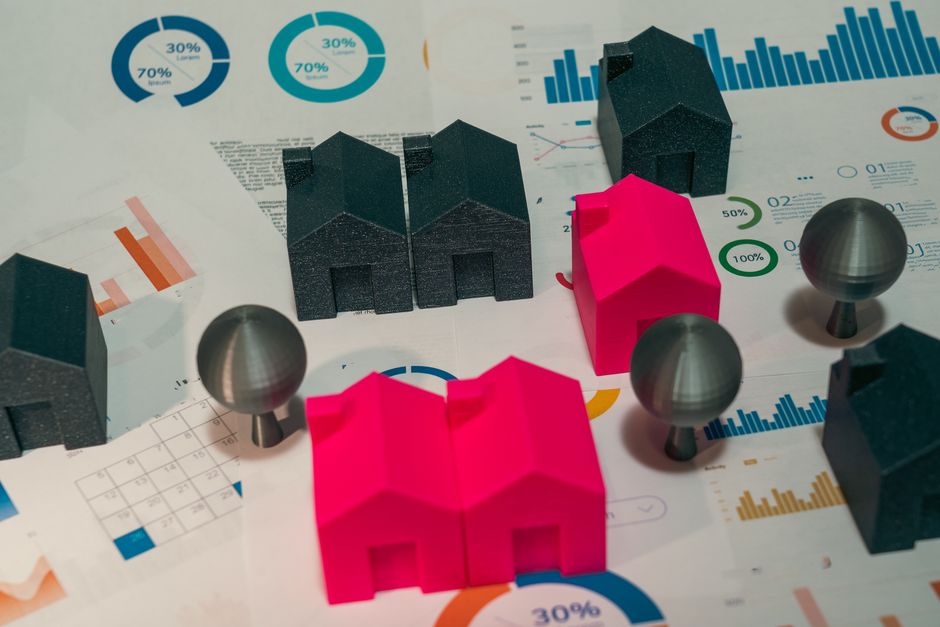
New research from property portal Casa24 shows that in several of Milan’s eastern and southern suburbs, paying a mortgage is now cheaper than monthly rent—a rare reversal in one of Europe’s most expensive rental markets.
The timing is critical. With rents in Milan’s city centre and trendier inner districts surging by more than 11% year-on-year, thousands of residents are feeling squeezed. The spike is driven by fashion industry professionals, international students, and rising demand from remote workers seeking pied-à-terres. For many, buying a modest flat on the outskirts may be the only affordable route to stability.
Take Lambrate, northeast of the city centre. Once considered a no-frills commuter zone, this Via Rombon neighbourhood now offers one-bedroom apartments for around €3,000 per square metre. According to local agency Immobiliare Turati, a 50 sqm flat can be financed with a 25-year fixed-rate mortgage for roughly €830 a month. By comparison, the current average rent on similar units along Via Ventura has surpassed €950, a gap that surprises first-time buyers.
Corsico, just beyond Milan’s western ring road, tells a similar story. Savills Italia data shows rent for a two-bedroom flat within walking distance of Parco Travaglia typically costs €1,250 per month. Yet the average sale price for a comparable 65 sqm home on Via Vittorio Veneto is €180,000. With mortgage rates at 3.1%, monthly payments hover below €950 before taxes and fees. Numbers like these are why mortgage applications in the southwest suburbs have jumped 18% in the past quarter, according to Banca Popolare di Milano.
These pockets of value emerge amid wider volatility. Milan’s average rent price has hit €22.75 per sqm for city-centre units (data: Idealista, June 2026) and €13.20 per sqm in the outer Circonvallazione areas. But bank lending policies have adapted to recent European Central Bank moves; most Milanese banks now favour first-time buyers able to put down 15% deposits and offer rates close to historic lows. As a result, demand for owner-occupier housing is strongest in well-connected but peripheral boroughs like Precotto, where prices still lag behind the city’s €5,050 per sqm average.
“We see young families and singles shifting their searches further out, especially as rental costs in Porta Nuova and Brera are pricing out anyone without corporate housing allowances,” said an analyst at Domus360, which tracks transaction data in the region. The agency noted double-digit spikes in inquiries for buy-to-let and entry-level homes around Rogoredo FS and Sant’Ambrogio di Trezzano.
For anyone debating whether to rent or buy, a careful calculation is more important than ever. Agents advise factoring in taxes, condominium fees, and upcoming city council incentives for energy-efficient upgrades—several of which will be announced as part of Milano2030 in September. Above all, buyers should consider access: lines M2 and S9 increasingly define which districts will benefit from price stability as Milan’s population pushes outward in search of savings.
How does this story make you feel?
Spread the word
About this article
Published by The Daily Milan
Daily brief
Free, in your inbox before 7am. Weekdays.
More in Property