property
Milan's Lambrate District Transforms Into Booming Transit Hub
Once overlooked, Lambrate’s revival gathers pace as new rail links and urban upgrades lure buyers and investors east of the city centre.
How we reported this
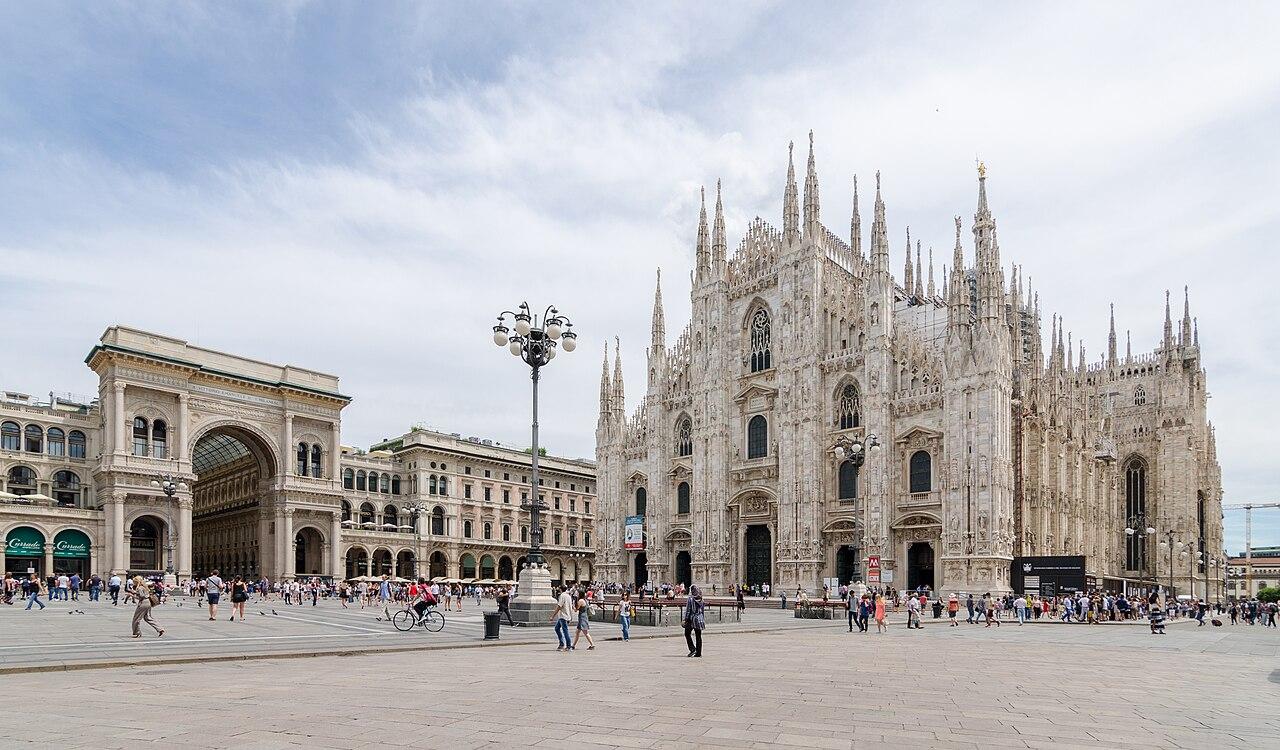
Construction cranes and the shriek of rail saws are reshaping Lambrate, the eastern Milan suburb taking centre stage in the city’s race to meet housing demand. With the long-awaited extension of the M4 metro line and new regional train services converging at Stazione di Milano Lambrate, developers are betting big on an area once known mostly for its historic railway yards and affordable student housing.
The timing is no accident. Milan’s average property prices continue to hover around €5,000 per square metre, according to market trackers, and the ripple from surging demand in Brera and Porta Nuova has made outlying districts with new infrastructure increasingly attractive. In the last decade, city policy has increasingly looked eastward, as urban planners and investors target suburbs like Lambrate and the adjacent Ortica district for regeneration, hoping to emulate the gentrification seen in Isola and Nolo.
Lambrate’s Appeal: Connectivity and Creative Renewal
On Via Pitteri, new mid-rise blocks are rising alongside the converted warehouses that house East Market, Lambrate’s bustling vintage fair, while art studios and microbreweries thrive in the post-industrial terrain. The M4, slated to eventually reach Linate airport, now offers a 15-minute ride from Lambrate to heart-of-the-city stops like San Babila-a radical improvement on surface tram or bus commutes. The connection to the RFI S9 suburban railway line, which intersects with the M2 metro and regional trains, cements Lambrate’s status as a multimodal hub. Nearby, the Fondazione Prada’s growing east Milan satellite has also helped shift cultural focus beyond the inner historic core.
Regeneration projects aren’t limited to infrastructure. Local council documents show renewed investment in Piazza Rimembranze di Lambrate and recent upgrades to Parco Lambro, increasing green space and walkability. The Politecnico di Milano’s campus on Via Celoria remains a magnet for rental demand, with startups and co-living spaces catering to the city’s swelling population of young professionals and students.
Data Points: Prices and Demand Show Growth
Latest data from Immobiliare.it puts Lambrate’s average residential asking price at just under €4,300 per square metre in early 2026-still trailing central Milan’s €5,000-plus but up approximately 7% over the previous year. This makes it appealing for both first-time buyers and investors compared to premium hotspots like Porta Nuova, where prices routinely top €9,000 per square metre. Transaction volumes in Lambrate have reportedly increased since the M4 extension opened key stops in late 2025, easing connectivity both into the centre and towards Segrate, another corridor earmarked for growth.
Rental yields remain strong in the area, particularly close to the train station and along major axes such as Via Rombon and Via Viotti, where older stock is giving way to redevelopment. The presence of university residences and proximity to major employers in the Bicocca business area have also created consistent demand, reducing vacancy periods in a market where competition for affordable flats remains fierce.
Looking ahead, Lambrate is likely to see further waves of investment as the city accelerates infrastructure rollout and rezoning. Prospective buyers should keep a close watch on municipal plans for public space upgrades around the Lambrate yards and future mixed-use developments in the Ortica triangle. With international attention returning to Milan ahead of the 2026 Winter Olympics, local estate agencies advise focusing on well-serviced, transport-linked assets for the best prospects of capital growth. For now, Lambrate stands out as Milan’s growth corridor to watch in a crowded market hungry for modern, connected living.
This article is general information only and is not personal financial or investment advice. Consider your own circumstances and seek licensed professional advice before making financial decisions.