property
Quarto Oggiaro Outpaces Milan's Pricier Suburbs With Surging Property Growth
Quarto Oggiaro, once Milan's forgotten northwest corner, is posting price growth that its more celebrated neighbours can't match, and buyers are finally paying attention.
How we reported this
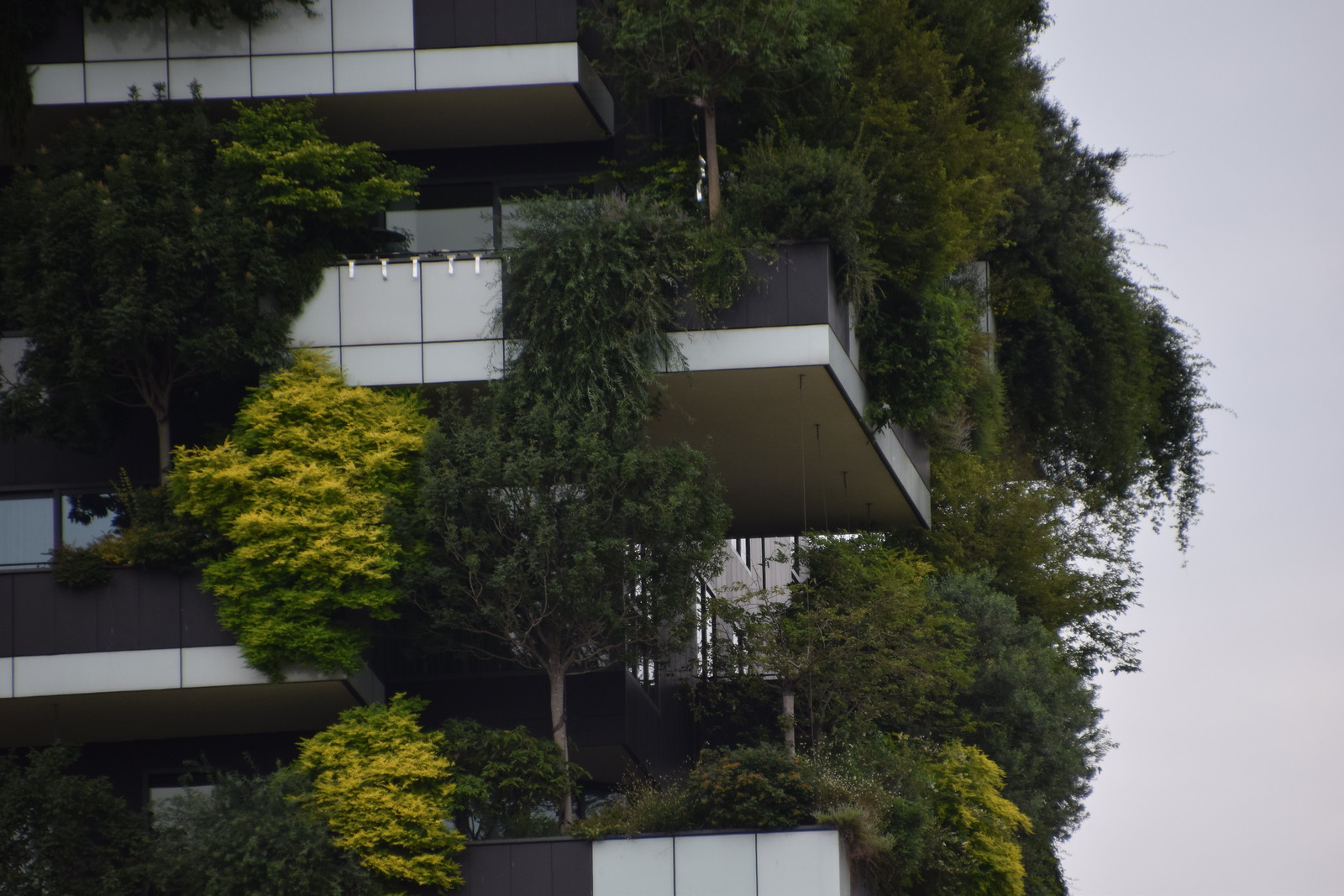
Quarto Oggiaro is not a name that typically appears on the shortlist of Milan's investment darlings. Brera gets the glossy spreads. Porta Nuova gets the glass towers. But through the first half of 2026, this working-class district wedged between Viale Espinasse and the outer ring road has recorded average residential price growth of around 9 percent year-on-year, a figure that outpaces both Sesto San Giovanni to the northeast and Cinisello Balsamo to the north, where growth has hovered closer to 4 to 5 percent over the same period, according to local agency data compiled by several Milan-based brokers tracking the northwest quadrant.
The city-wide average sits at roughly €5,000 per square metre. In Quarto Oggiaro, buyers are still finding two-bedroom apartments in decent structural condition for €2,200 to €2,600 per square metre, a spread that makes even Sesto San Giovanni, long positioned as the affordable alternative to the city proper, look expensive by comparison. That gap is narrowing, and that narrowing is precisely what is drawing attention.
Why the Northwest Is Moving Now
Three forces have converged to make Quarto Oggiaro the area to watch in the second half of 2026. First, the extension of Metro Line 1 toward the Rho-Fiera corridor has improved travel times from Quarto Oggiaro's edge into the city centre to under 25 minutes at peak hours. Second, the Comune di Milano's Piano di Governo del Territorio, the city's urban governance framework, last substantively updated in 2022, has zoned several former industrial parcels along Via Lessona and Via Triboniano for mixed residential development, unlocking supply that was previously locked behind outdated industrial classifications. Third, and perhaps most consequential for price momentum, the fashion and design sector's expansion beyond its traditional Brera and Tortona strongholds has pushed a cohort of younger creative professionals toward neighbourhoods where €200,000 can still buy a liveable apartment rather than a car parking space.
Cascina Merlata, the large-scale regeneration project that borders Quarto Oggiaro to the west and was initially anchored by the 2015 Expo site, has also acted as an indirect catalyst. The social housing component delivered under the Reinventing Cities programme brought new infrastructure, including the rebuilt Parco di Trenno entrance at Via Novara, that residents of the adjacent neighbourhood have been able to access without bearing the full cost premium of living inside the development itself.
What Buyers Are Actually Getting for Their Money
A typical transaction in Quarto Oggiaro right now involves a 70 to 85 square metre apartment in a 1960s or 1970s condominium on streets like Via Quarti or Via Lessona, priced between €160,000 and €210,000 before renovation costs. Structural surveys consistently flag the need for window replacement and heating system upgrades, which adds €20,000 to €35,000 to the effective purchase cost. Still, the all-in figure remains well below the €380,000 to €420,000 that comparable floor space commands in Isola or NoLo, the two districts most frequently cited by agents as Quarto Oggiaro's trajectory reference points from five years ago.
The rental market is tightening as well. Furnished two-bedroom units near the MM1 stops at Inganni and De Angeli, technically adjacent zones, but feeding the same demand pool, are now achieving monthly rents of €1,300 to €1,500, giving gross yields in Quarto Oggiaro of between 5.5 and 6.8 percent depending on the asset. That compares favourably with the 3.5 to 4 percent gross yields that have become standard in Navigli and Porta Ticinese.
For buyers still undecided, the practical calculus is becoming harder to ignore. The window of sub-€2,500 per square metre pricing in a district with active rezoning, metro access, and improving amenity is unlikely to survive another 18 months of the kind of demand currently running through Milan's northwest. Engaging a geometra for a structural assessment before making an offer, and checking the Comune's publicly available PGT maps for the specific parcel's zoning classification, are the two most immediate steps any serious buyer should take. The deals are still there. They will not be indefinitely.
This article is general information only and is not personal financial or investment advice. Consider your own circumstances and seek licensed professional advice before making financial decisions.