Walk through the Navigli district on any weekday morning, and you'll spot a telling trend: yoga mats emerging from studio entrances, cyclists in Rapha kits pedalling toward the Parco Sempione, and an unmistakable buzz of fitness-minded urbanites. Milan's gym participation numbers tell a story that extends far beyond simple exercise statistics—they reveal how the city's relationship with health, status, and lifestyle has fundamentally transformed over the past five years.
According to recent fitness industry surveys, gym membership across Milan has grown by approximately 34% since 2021, with the city now boasting over 420 registered fitness facilities. But participation isn't evenly distributed. Data from major operators shows a clear geographic clustering, with Zona 1 and Zona 2—encompassing neighbourhoods like Brera, Porta Venezia, and the Duomo precinct—accounting for nearly 45% of boutique studio memberships, while budget-friendly chains dominate outer zones like Lambrate and Crescenzago.
The financial demographics are equally revealing. High-intensity interval training studios in the Quadrilatero d'Oro command €150-200 monthly, yet boast waiting lists. Meanwhile, cooperative gyms in Isola and around Viale Monza—where monthly fees hover at €35-50—are seeing aggressive growth among younger professionals and students. This bifurcation suggests Milan's fitness culture isn't converging; it's stratifying.
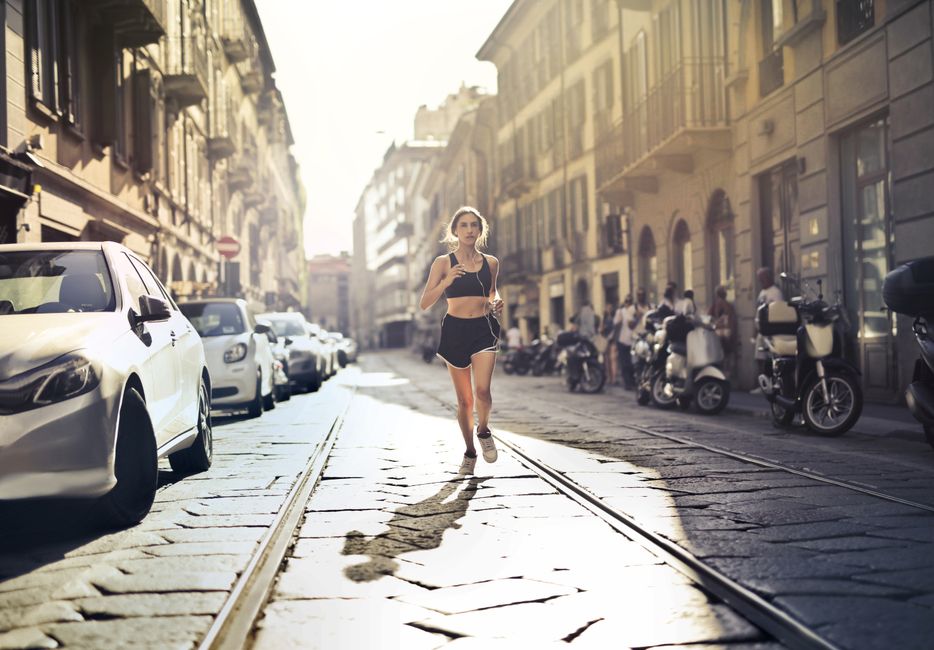
Participation data also exposes generational preferences that challenge stereotypes. Women now comprise 58% of gym memberships citywide, with the highest concentration among 25-40-year-olds seeking structured programmes rather than traditional bodybuilding. Running clubs—tracked via Strava data aggregation—show evening participation has surged 67% along the Navigli canal paths and around Parco Lambro since 2023.
What's particularly striking is the shift toward specificity. Rather than general-purpose gyms, Milanese fitness enthusiasts are gravitating toward narrowly defined experiences: reformer pilates, cycling studios, functional training, and recovery-focused modalities like cryotherapy and massage therapy. The proliferation of niche facilities suggests participation numbers alone miss the qualitative story—Milan's fitness culture increasingly reflects individualism and wellness curation rather than communal gymnasium tradition.
Perhaps most tellingly, corporate wellness programmes now drive 22% of gym memberships across the city, with major employers headquartered in the financial district incentivising staff participation. This corporatisation, combined with rising real estate costs pressuring fitness operators, indicates Milan's fitness landscape will likely continue fragmenting into exclusive wellness ecosystems and accessible grassroots alternatives—a dual-track reality that mirrors the city's broader economic stratification.
This article was compiled by AI from the sources linked above and screened before publishing. See our editorial standards.