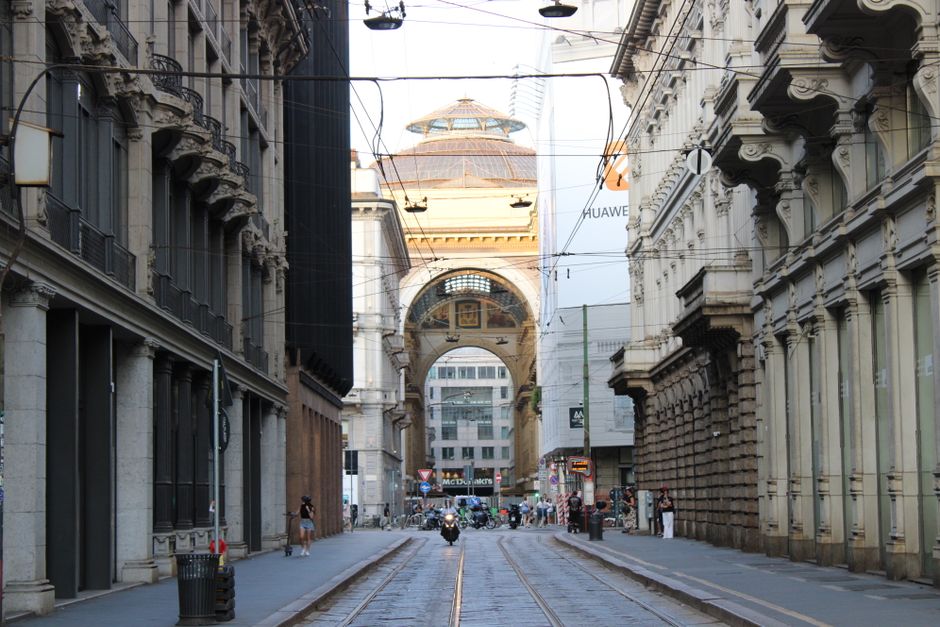
Walk along the Navigli on a Wednesday evening and you'll spot them: groups in mismatched kits heading toward Parco Sempione or the synthetic pitches near Porta Garibaldi, cleats slung over shoulders, anticipation in their step. Milan's amateur sports clubs have become the city's unsung connective tissue, weaving together neighbourhoods that otherwise rarely interact.
The numbers tell a compelling story. According to the Milan Municipal Sports Department, recreational league participation has grown 34% since 2022, with over 12,000 players now active in organised amateur football, volleyball, and futsal leagues. That surge reflects something deeper than post-pandemic enthusiasm: it's evidence of communities actively choosing to invest time and money into local belonging.
In Isola, the neighbourhood undergoing its own renaissance north of Garibaldi Station, the Polisportiva Isola club has become a genuine anchor. Operating out of a modest facility on Via Melchiorre Gioia, they run five separate adult football teams spanning different skill levels, plus youth programmes. Monthly membership costs between €35 and €55—accessible for most workers—and their waiting list typically runs three months. "We're not competing with AC Milan," says their operations coordinator. "We're competing with Netflix and commute fatigue. We win by making people feel part of something."
Similar stories emerge across districts. In Niguarda, the Circolo Sportivo Niguarda operates amateur volleyball and badminton leagues that draw professionals, construction workers, and retirees into the same gymnasium twice weekly. Their mixed-ability volleyball league, launched in 2023, now fields eight teams. In the Navigli area, futsal leagues use the courts at Centro Sportivo Vismara, where five-a-side matches generate genuine local rivalry and the kind of organic social bonds that money cannot manufacture.
What distinguishes these clubs isn't sophisticated infrastructure or prestigious sponsorships. It's accessibility paired with genuine community stewardship. Most charge modest membership fees and reinvest surpluses into better pitch maintenance or youth development. Many operate on volunteer management structures, with club leaders drawn from the neighbourhoods themselves.
The secondary effects prove equally significant. Youth engagement through amateur clubs has measurably reduced neighbourhood isolation. Players often become friends, neighbours become acquaintances, and the social capital accumulates. Parents volunteer as referees. Spouses attend matches. Local bars host post-game gatherings.
As Milan continues its relentless ascent as a global financial and cultural centre, these amateur clubs provide something the city's glossy international image cannot: genuine, unglamorous human connection rooted in shared physical effort and local commitment.
This article was compiled by AI from the sources linked above and screened before publishing. See our editorial standards.